This collection of problem-solving stories invites children and grown-ups to explore moments that call for patience, observation, creativity, and care. From planes and paper fish to forest discoveries and garden forts, each title offers a gentle starting point for shared reading.
Stories About Thinking Things Through
In The Steady Little Plane and The Plane That Flew Straight, young readers can enjoy stories centered on direction, persistence, and paying attention to what is happening along the way. June and the Paper Fish, June’s Puzzle Corner, and The Meadow Message suggest more opportunities to wonder, notice details, and consider different ways to approach a question.
These problem-solving stories are a natural fit for conversations before, during, or after reading. Ask what a character might notice first, which choices seem possible, or whether there could be more than one answer. Children can share their ideas without needing to find a single perfect solution.
Curiosity, Care, and Creative Ideas
Some titles in the collection point toward practical challenges and thoughtful decisions. The Pebble Fish by the River, Pebble’s Care Guide, and Theo Checks the Trees offer chances to talk about looking closely, following steps, and considering how actions affect a place or a companion. The Fort Beside the Garden and The Bright Button and the Snowy Forest bring a sense of discovery and imagination to the collection.
Families can pause at an interesting moment and invite children to predict what might happen next, describe what they would try, or explain why a character’s plan could help. These simple prompts keep reading interactive while leaving room for each child’s perspective.
A Flexible Collection for Shared Reading
Problem-solving stories can work well for bedtime, quiet afternoons, classroom read-alouds, or a few pages during a busy day. Choose a title based on your child’s mood: a story with a puzzle for curious moments, a nature-themed choice for close observation, or a gentle adventure for imaginative conversation.
The Fox by the Windowsill rounds out a collection filled with questions, choices, and possibilities. Read one story at a time, revisit a favorite, or let your child choose the next title. The goal is simply to enjoy the story together and make space for thoughtful discussion.
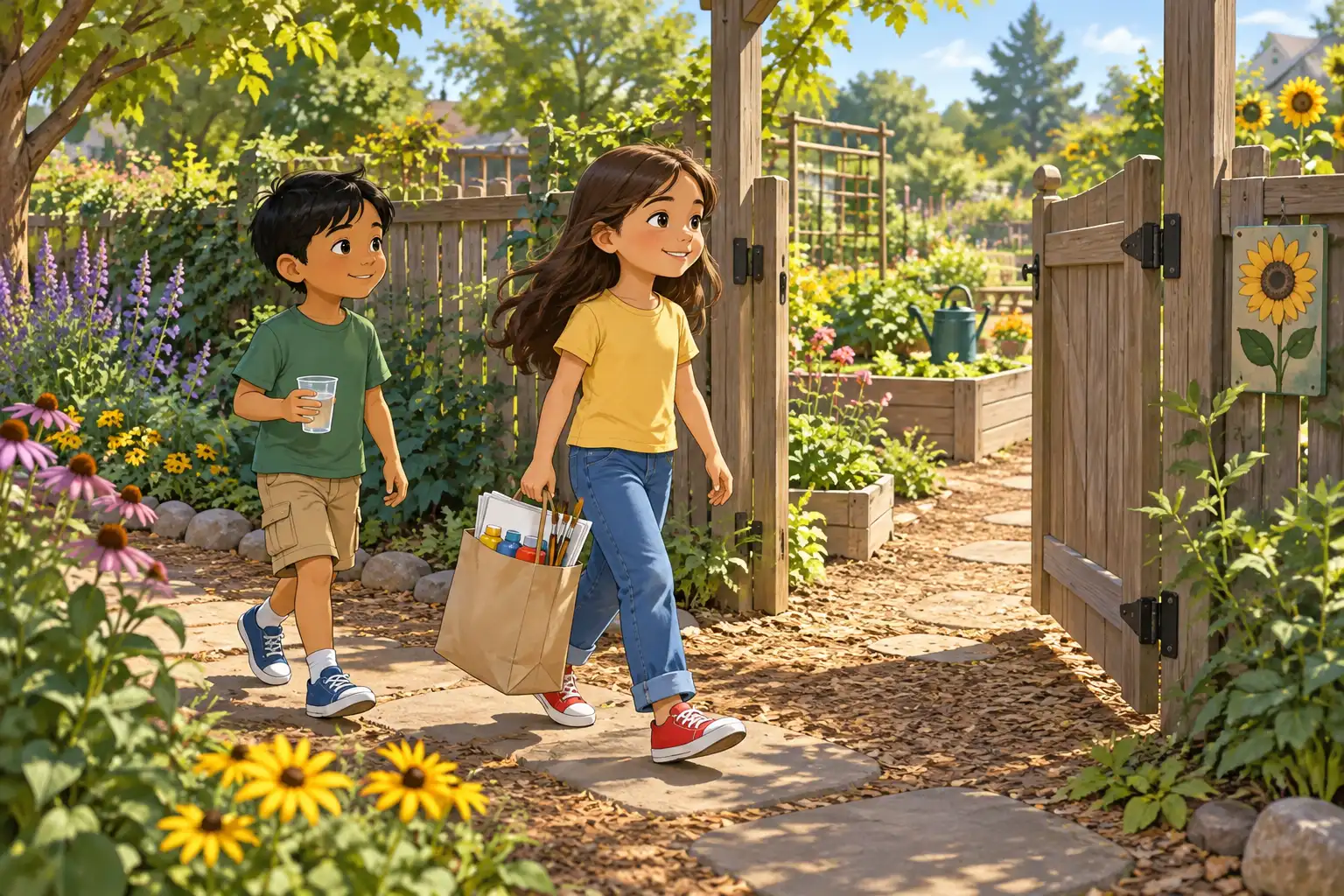
Sofia visits the community garden with Ms. Elena and her classmate Arjun to make a thank-you card for Mr. Luis, the gardener. When too much water makes their painted flowers run together, they find a creative way to turn the colorful pieces into a bright paper bouquet that makes Mr. Luis smile.
Marisol visits a snowy forest stable with Aunt Priya to care for Dusty, their small pony. When a gust scatters straw and grooming brushes through the aisle, Marisol helps restore order, brings Dusty fresh water, and leaves his stall clean and ready.
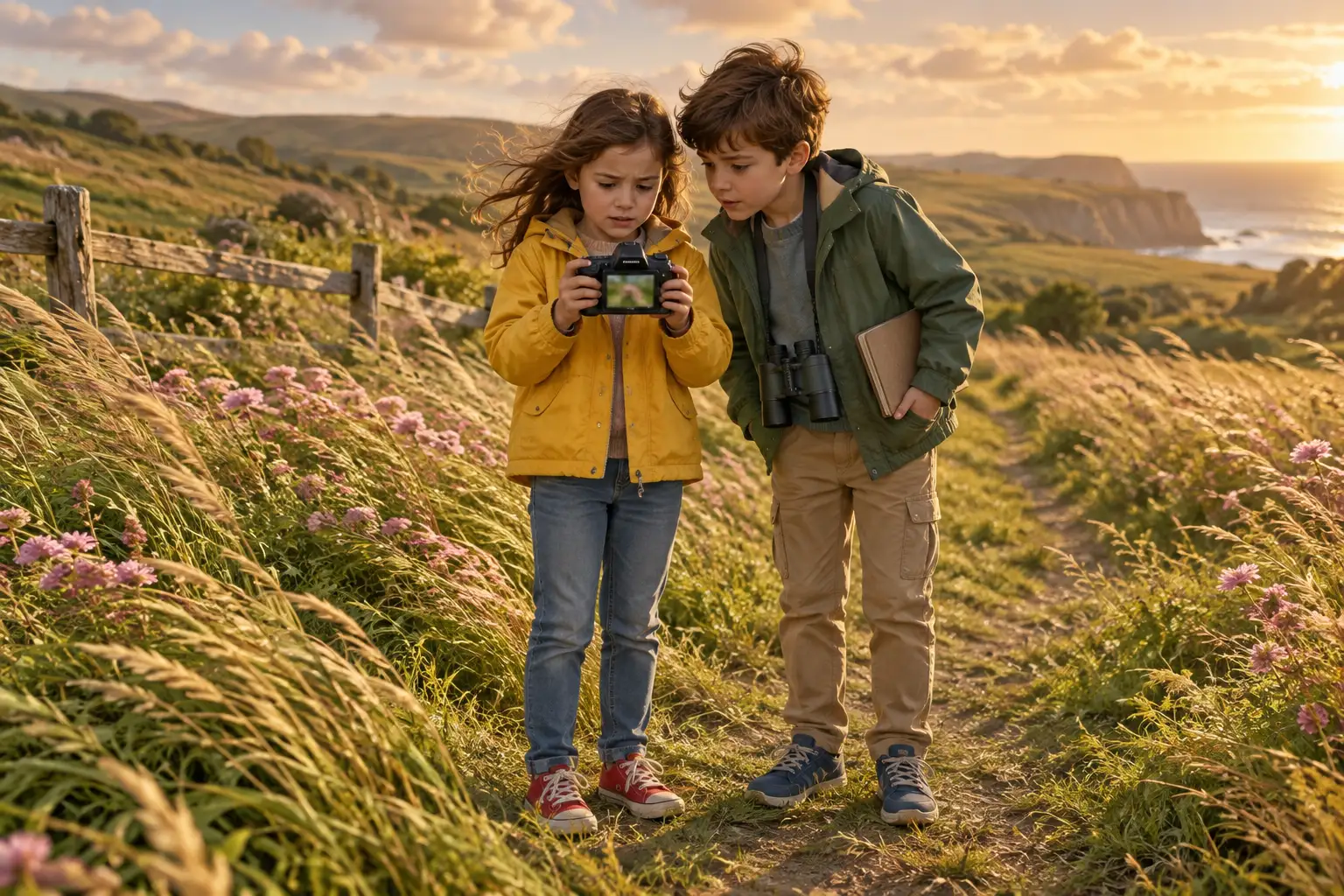
Sana visits a flower-filled meadow to take nature pictures for her grandfather, who is resting at home and cannot make the walk that day. When wind and distance leave her first photos blurry, her new neighbor Kai helps her find shaded spots, steady the camera against a fence post, and wait for clear views of a butterfly, a grasshopper, and a bumblebee. Together, they arrange the best images into a meadow story that lets Grandpa share their discovery.
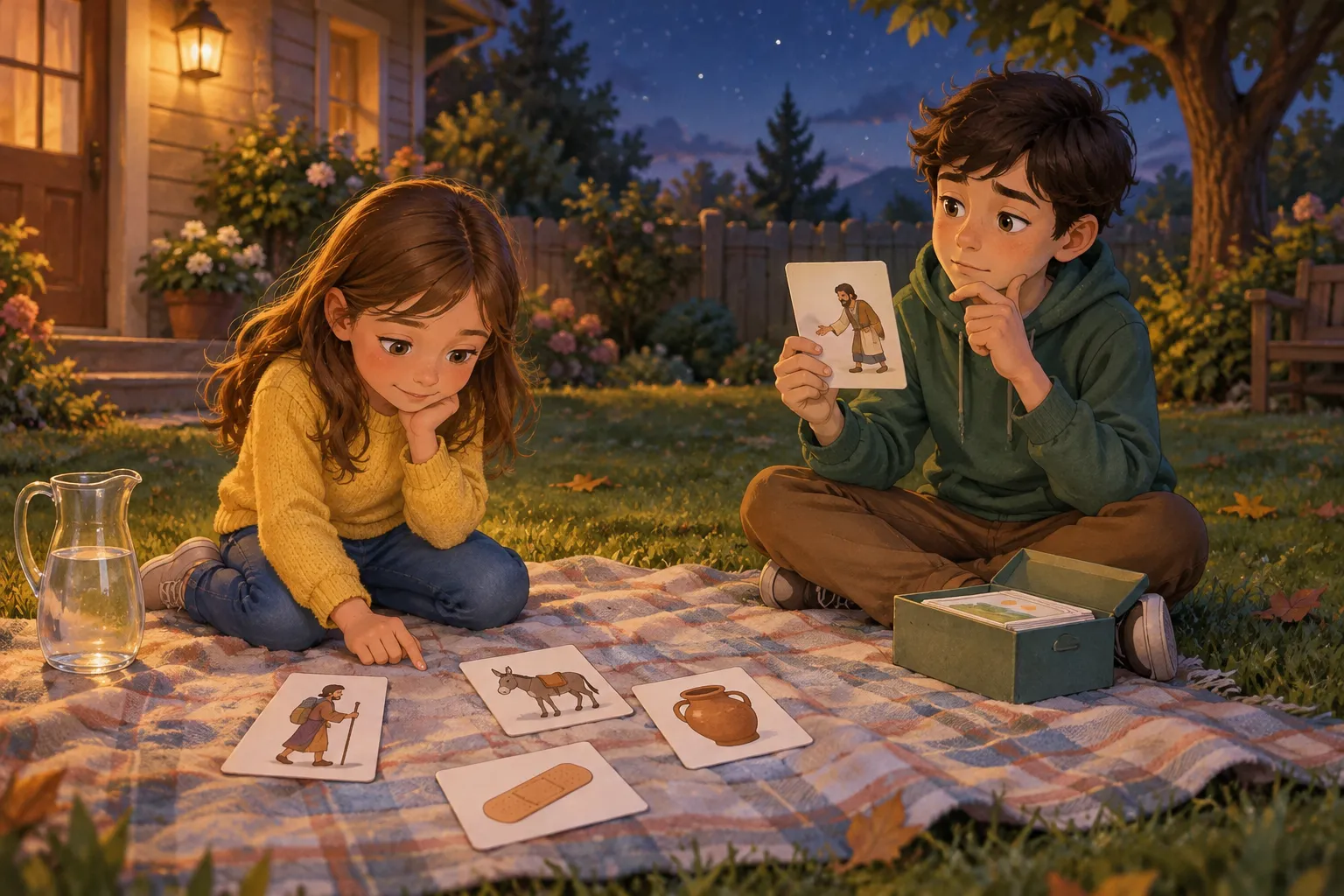
Emma and her older brother, Diego, sort mixed-up picture cards so their younger cousin, Mateo, can follow the Bible story of the Good Samaritan. By arranging the cards into “notice,” “help,” and “care,” they make room for everyone to see the story clearly before sharing a warm evening together beneath the stars.
Camila rides her small bicycle through the desert garden to bring a little bowl to Noodle, her orange kitten. When a gentle slope feels too hard, Uncle Jordan helps her try again, and Noodle purrs beside her under the shady mesquite tree.
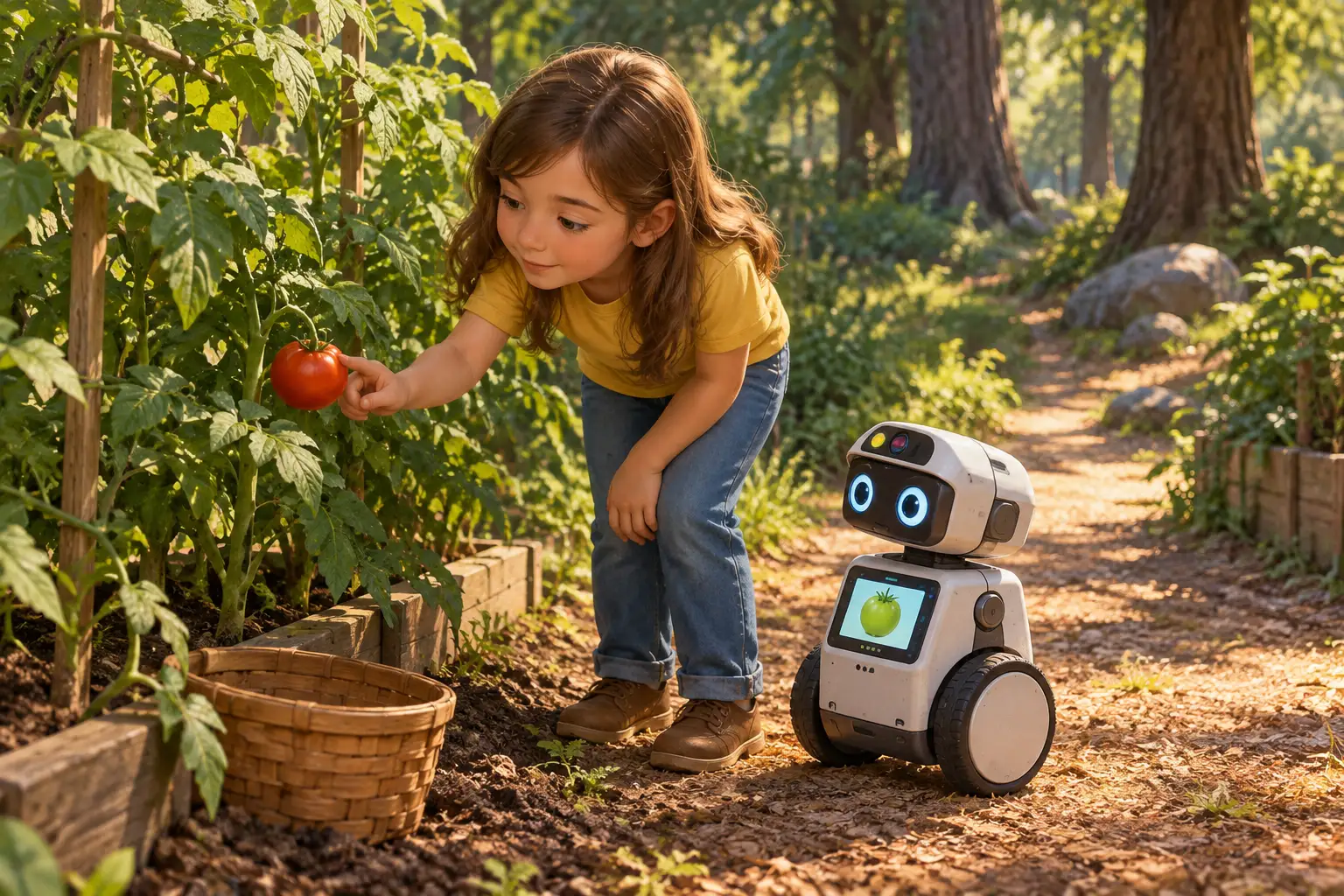
Quinn visits a woodland garden with Aunt Lena, her cat Poppy, and Dot, a classroom robot, to gather ripe tomatoes, beans, and cucumbers for the school cooking club. When Dot’s color sensor mistakes shaded vegetables for unripe ones, Quinn and Aunt Lena compare color, firmness, and smell before picking. Their careful work fills the basket, and Quinn saves some vegetables for classmates who are still waiting for their turn.
Emilia and Aunt Hannah build a blanket fort in their apartment courtyard, but a breeze keeps lifting one corner. Emilia gathers her courage to ask Mr. Lee for an extra clothespin, and soon the secure, cozy fort becomes the perfect place to watch a dolphin and share a bedtime story.
Eight-year-old Mia visits an aquarium viewing room with Ms. Chen and Maple, the aquarium’s mixed-breed dog, to write a song about animals connected to waterways. When the room’s echo muddles her first attempt, Mia listens to Puddle the freshwater snail, watches Kodi the black bear beside a river, and follows Maple’s quiet attention. By slowing the beat and sharing her favorite verse with Tessa, Mia helps create a song that everyone can sing together.
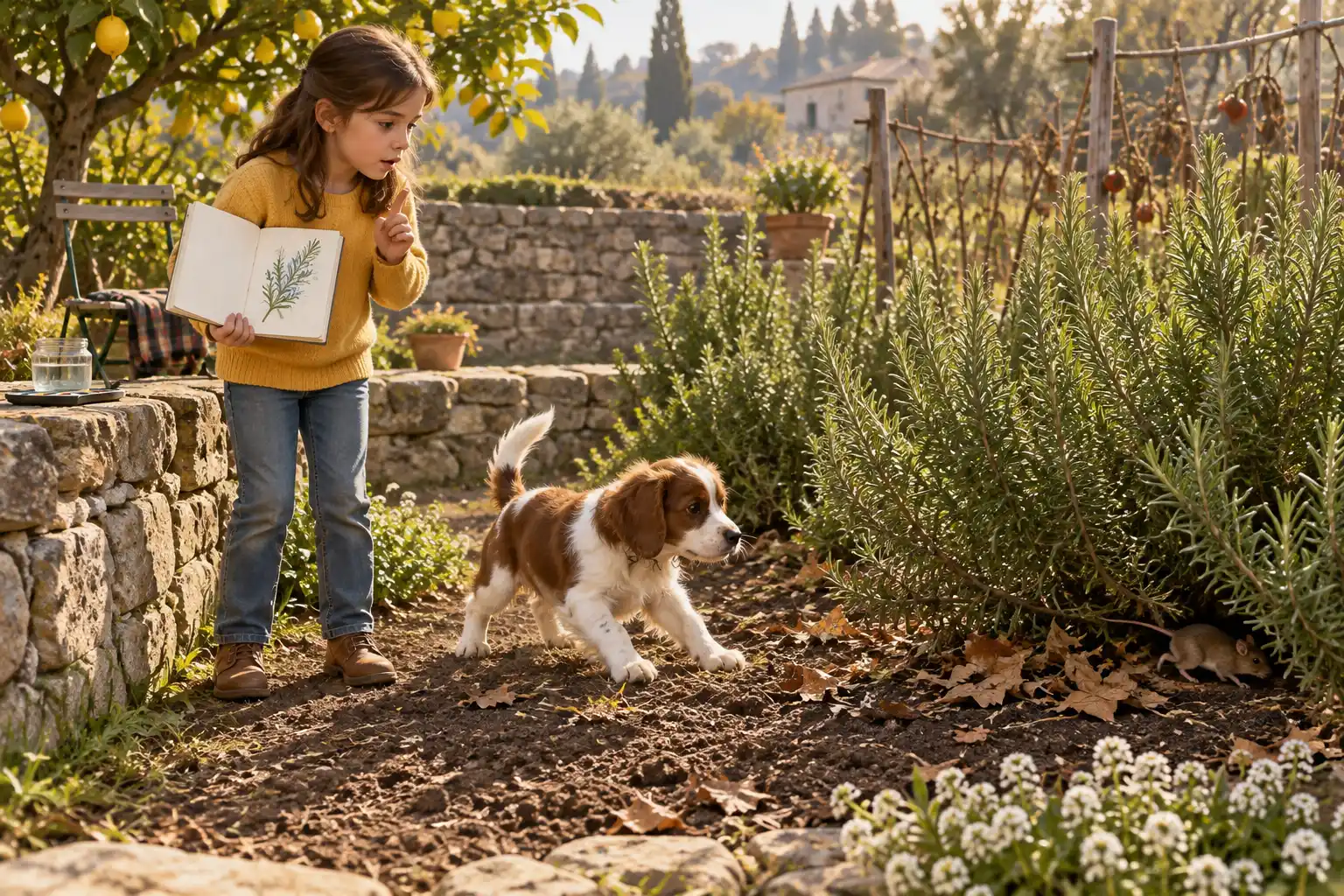
Gabriela promises her garden club that she will paint a field mouse in its real winter habitat, but her playful puppy, Patch, keeps bouncing toward the rosemary bed and sending the mouse into hiding. With help from her grandmother Elena, Gabriela finds a quiet way to observe the mouse, and her careful painting earns praise for both her patience and Patch’s waiting.
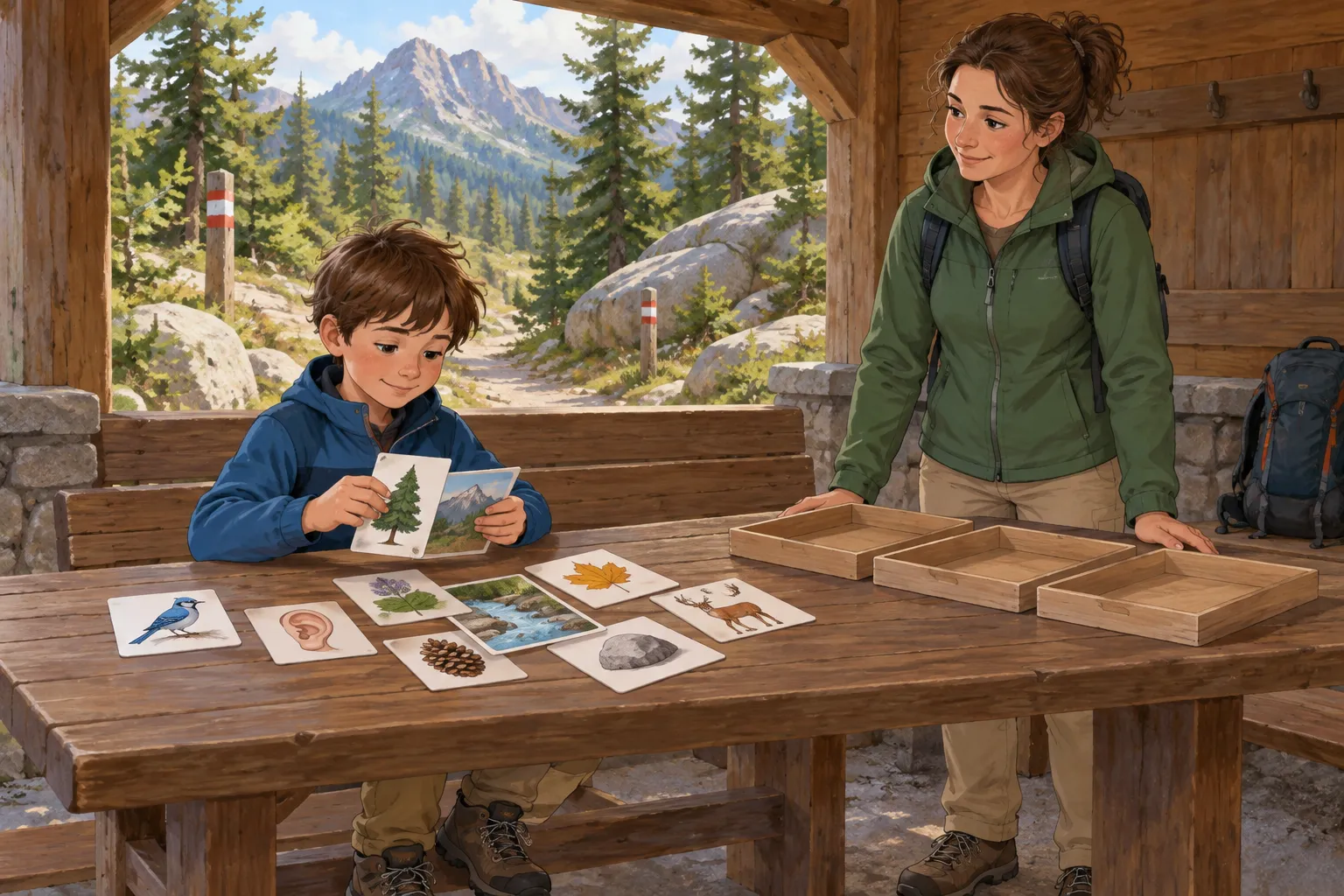
Milo hikes a marked mountain trail with Aunt Elena and Pumpkin, his orange kitten, to lead a quiet nature walk. When the picture cards become mixed up and a new child named Mei feels unsure, Milo invites her to sort them into look, listen, and notice trays. Soon the group is exploring together and sharing small discoveries before heading home.