This collection of problem-solving stories invites children and grown-ups to explore moments that call for patience, observation, creativity, and care. From planes and paper fish to forest discoveries and garden forts, each title offers a gentle starting point for shared reading.
Stories About Thinking Things Through
In The Steady Little Plane and The Plane That Flew Straight, young readers can enjoy stories centered on direction, persistence, and paying attention to what is happening along the way. June and the Paper Fish, June’s Puzzle Corner, and The Meadow Message suggest more opportunities to wonder, notice details, and consider different ways to approach a question.
These problem-solving stories are a natural fit for conversations before, during, or after reading. Ask what a character might notice first, which choices seem possible, or whether there could be more than one answer. Children can share their ideas without needing to find a single perfect solution.
Curiosity, Care, and Creative Ideas
Some titles in the collection point toward practical challenges and thoughtful decisions. The Pebble Fish by the River, Pebble’s Care Guide, and Theo Checks the Trees offer chances to talk about looking closely, following steps, and considering how actions affect a place or a companion. The Fort Beside the Garden and The Bright Button and the Snowy Forest bring a sense of discovery and imagination to the collection.
Families can pause at an interesting moment and invite children to predict what might happen next, describe what they would try, or explain why a character’s plan could help. These simple prompts keep reading interactive while leaving room for each child’s perspective.
A Flexible Collection for Shared Reading
Problem-solving stories can work well for bedtime, quiet afternoons, classroom read-alouds, or a few pages during a busy day. Choose a title based on your child’s mood: a story with a puzzle for curious moments, a nature-themed choice for close observation, or a gentle adventure for imaginative conversation.
The Fox by the Windowsill rounds out a collection filled with questions, choices, and possibilities. Read one story at a time, revisit a favorite, or let your child choose the next title. The goal is simply to enjoy the story together and make space for thoughtful discussion.
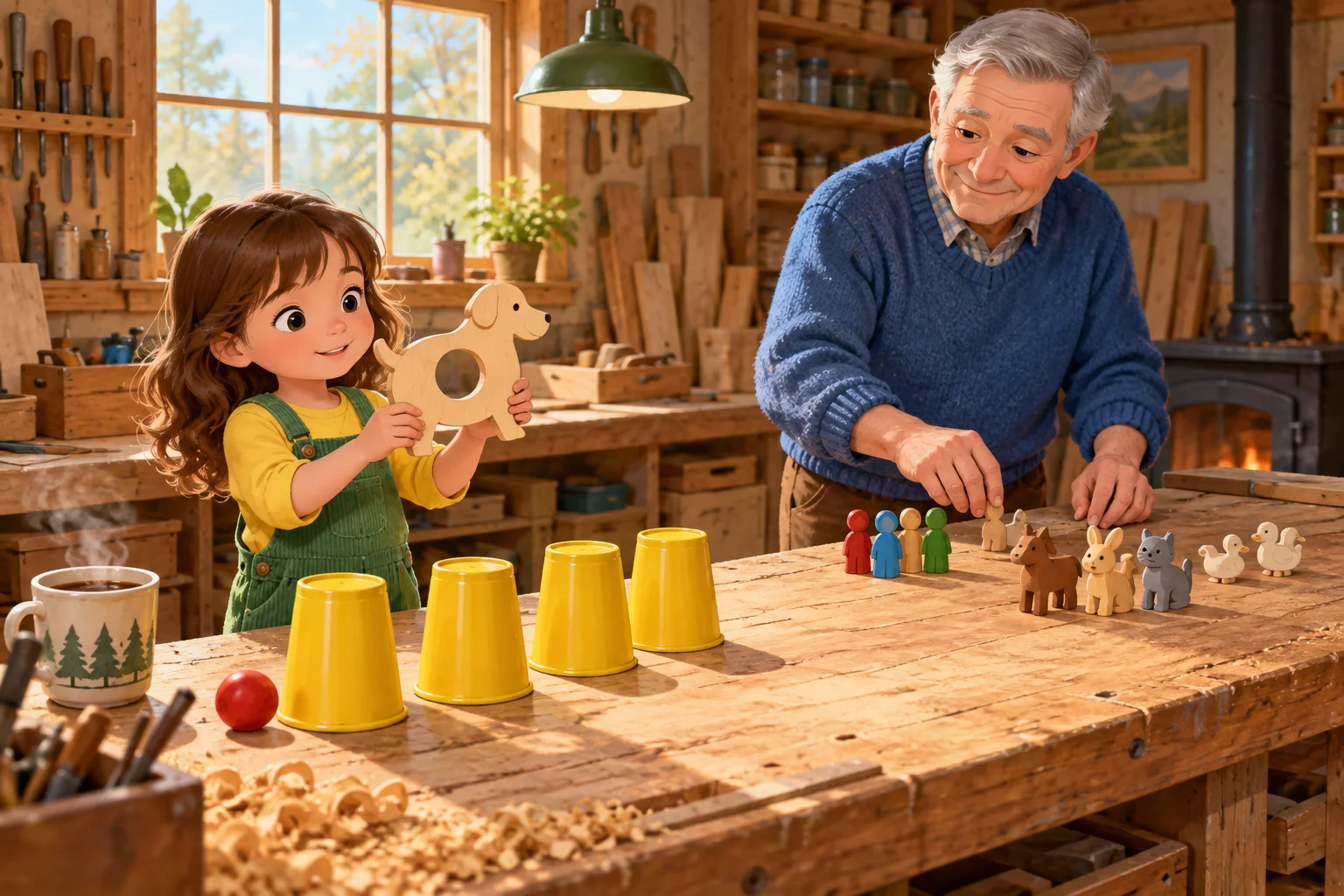
June helps her grandparent build a garden game for young visitors at the wildlife center. When Milo finds the first rules too hard, June changes the game so everyone can plant seeds, choose wooden characters, and roll a ball toward a dog-shaped target. Soon Milo is laughing and creating a garden story of his own.
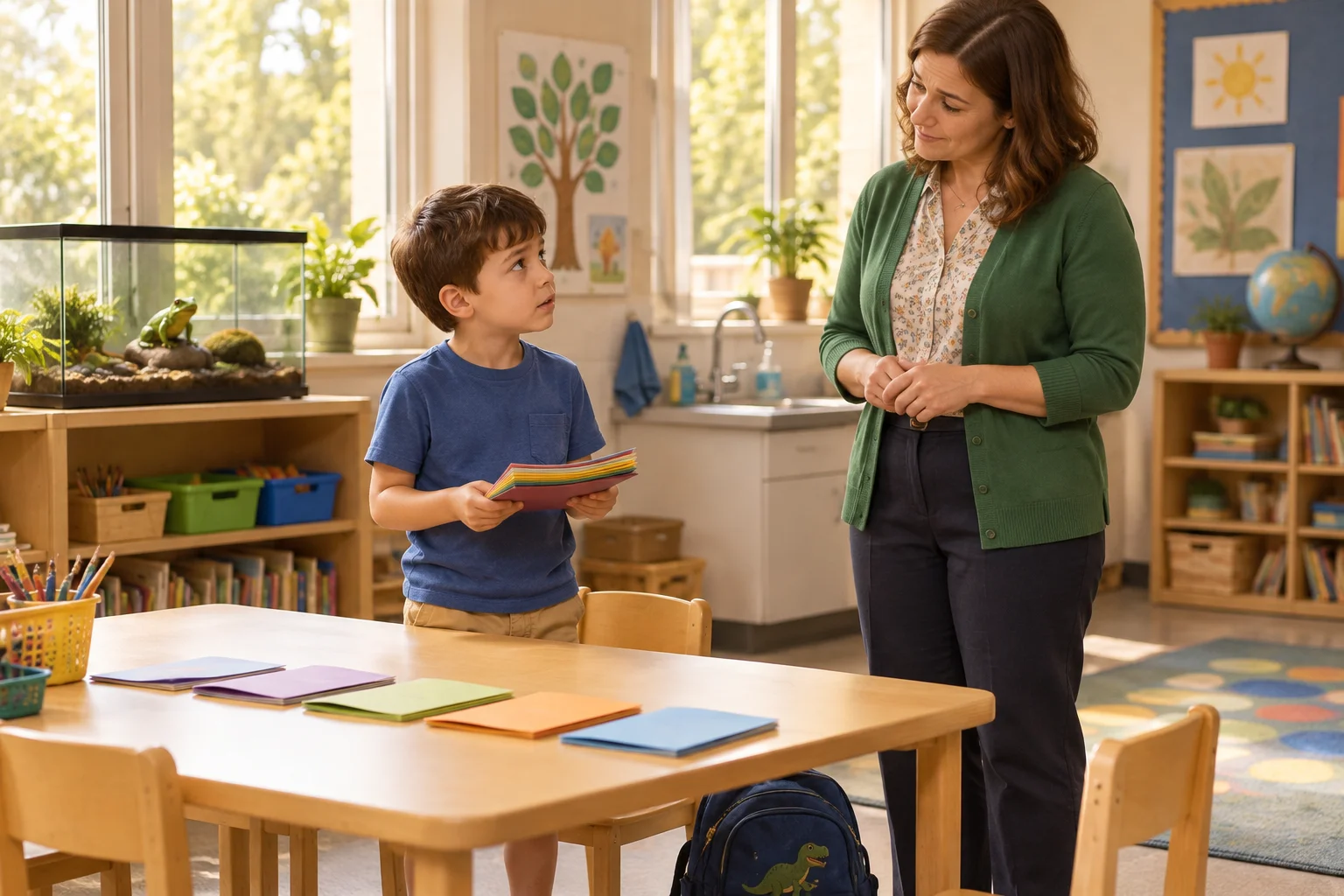
When seven-year-old Kiran returns to his preschool classroom to help make a booklet about Puddle, the class frog, he discovers there is not enough colored paper for every child. He tests several folds, chooses a one-sheet design, and invites classmates to share favorite scraps for the covers. Together, they draw Puddle resting under moss, eating, and swimming in his water dish, then give the finished booklets to the preschoolers, who use them to watch the frog quietly and notice how he behaves.
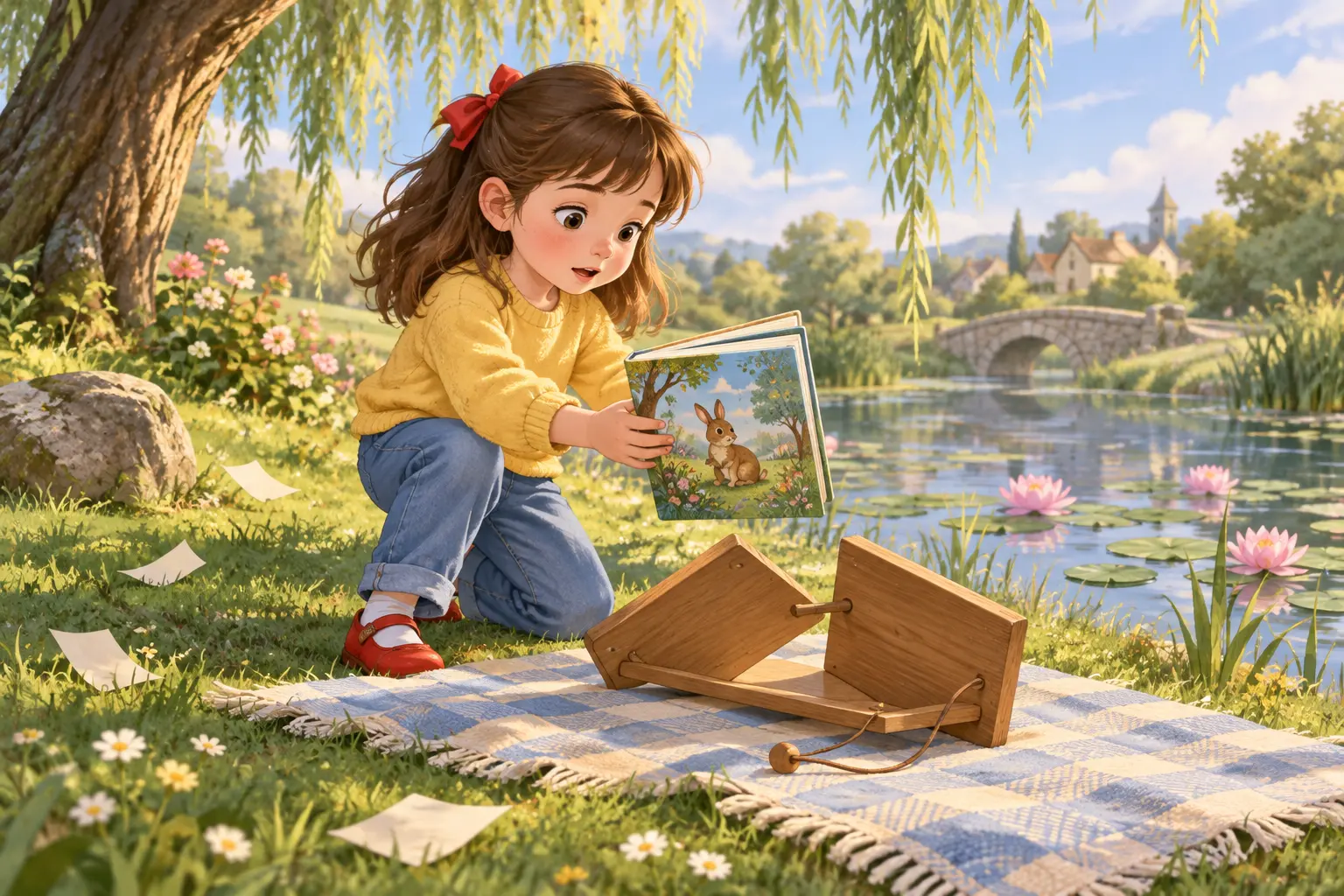
Alice brings a picture book to the pond for an outdoor reading circle, but a gust loosens the cord on the group’s wooden book holder. With her teacher’s help, she repairs and tests it, gathers the scattered crayons and paper, and enjoys a pond-animal story while Dottie, a young beaver, swims beside the water lilies.
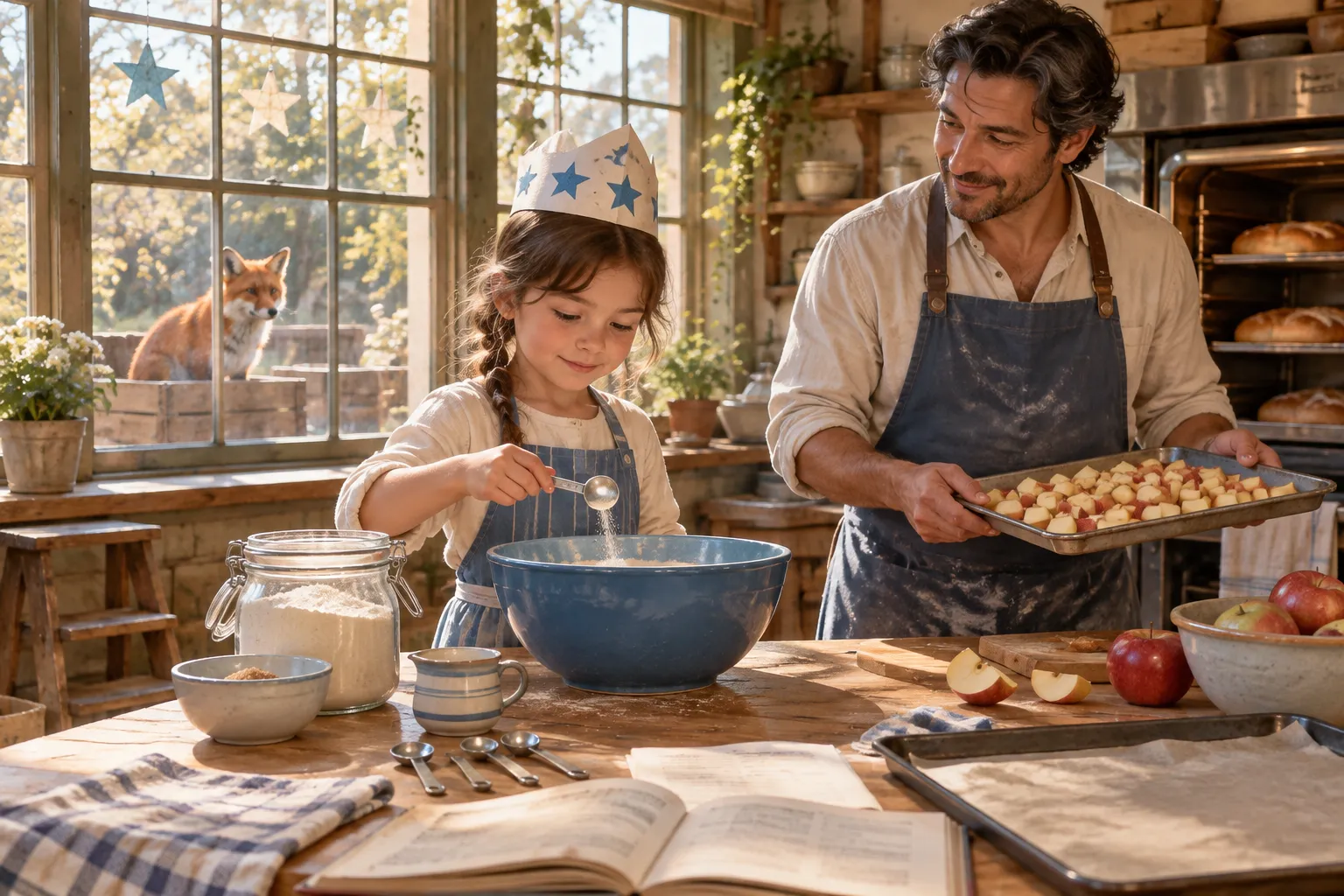
Wren helps her uncle prepare apple-oat bites for the neighborhood bakery’s evening story circle, but the first batch tastes bitter. With time left before the children arrive, Wren checks the recipe, discovers she used twice as much cinnamon, and helps bake a delicious second batch before telling a short story about Poppy, the thoughtful red fox in the alley.
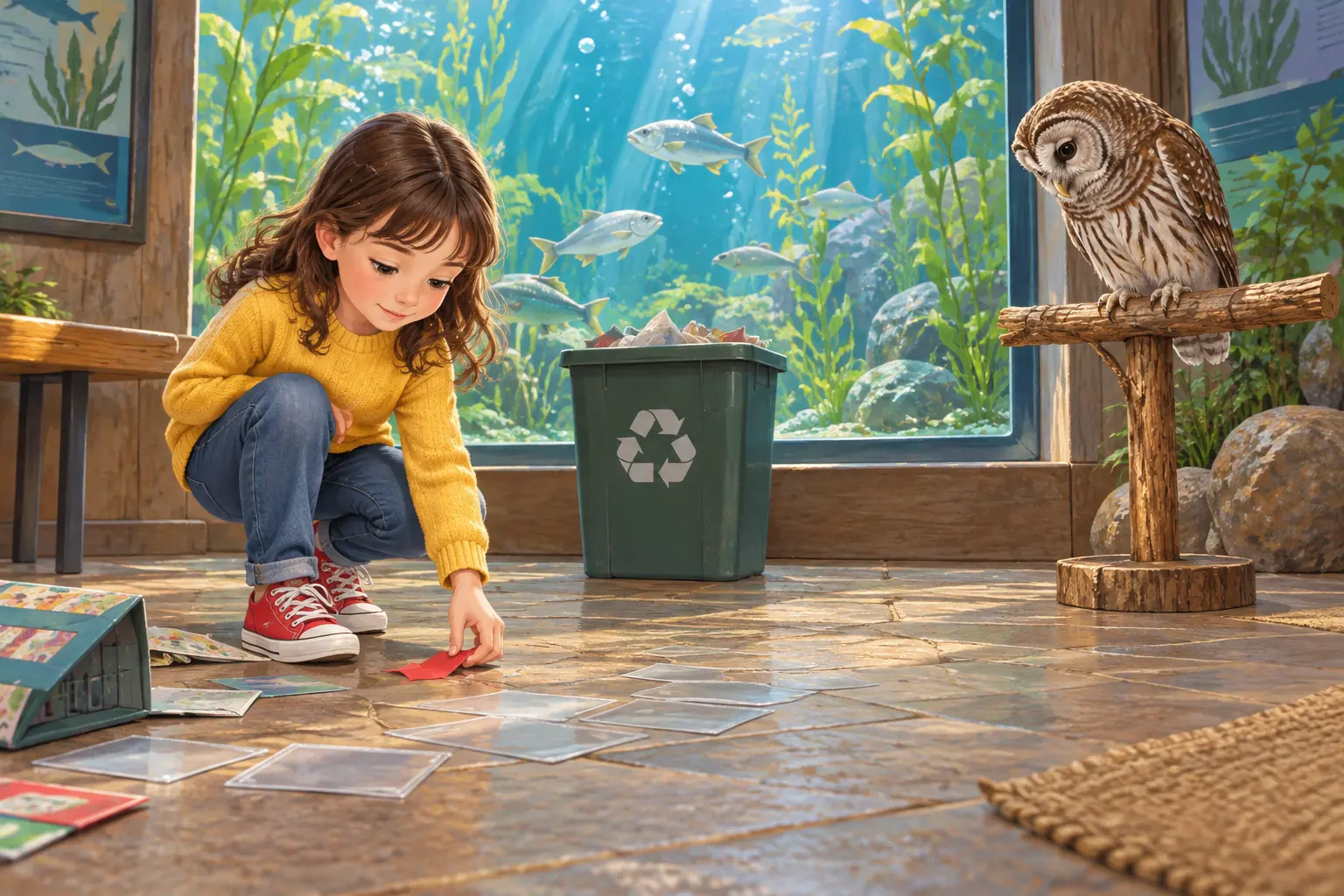
Clara helps Ms. Rivera prepare a Christmas story video in the aquarium viewing room, but paper scraps, card sleeves, and a recycling bin get in the way. She turns cleanup into a color-sorting game, arranges the picture cards, and pauses when young visitors arrive so everyone can see the fish before enjoying the cheerful story together.
After sunset, Mae notices that Chestnut the pony avoids his water trough whenever the backyard motion light flashes on. With her dad, she watches from a distance, counts the moths circling the lamp, and tests a simple shield that aims the light toward the path instead of the paddock. Chestnut returns to drink calmly, while the moths drift toward the garden, and Mae records a gentle class read-aloud with funny pictures of Dottie, the family beagle.
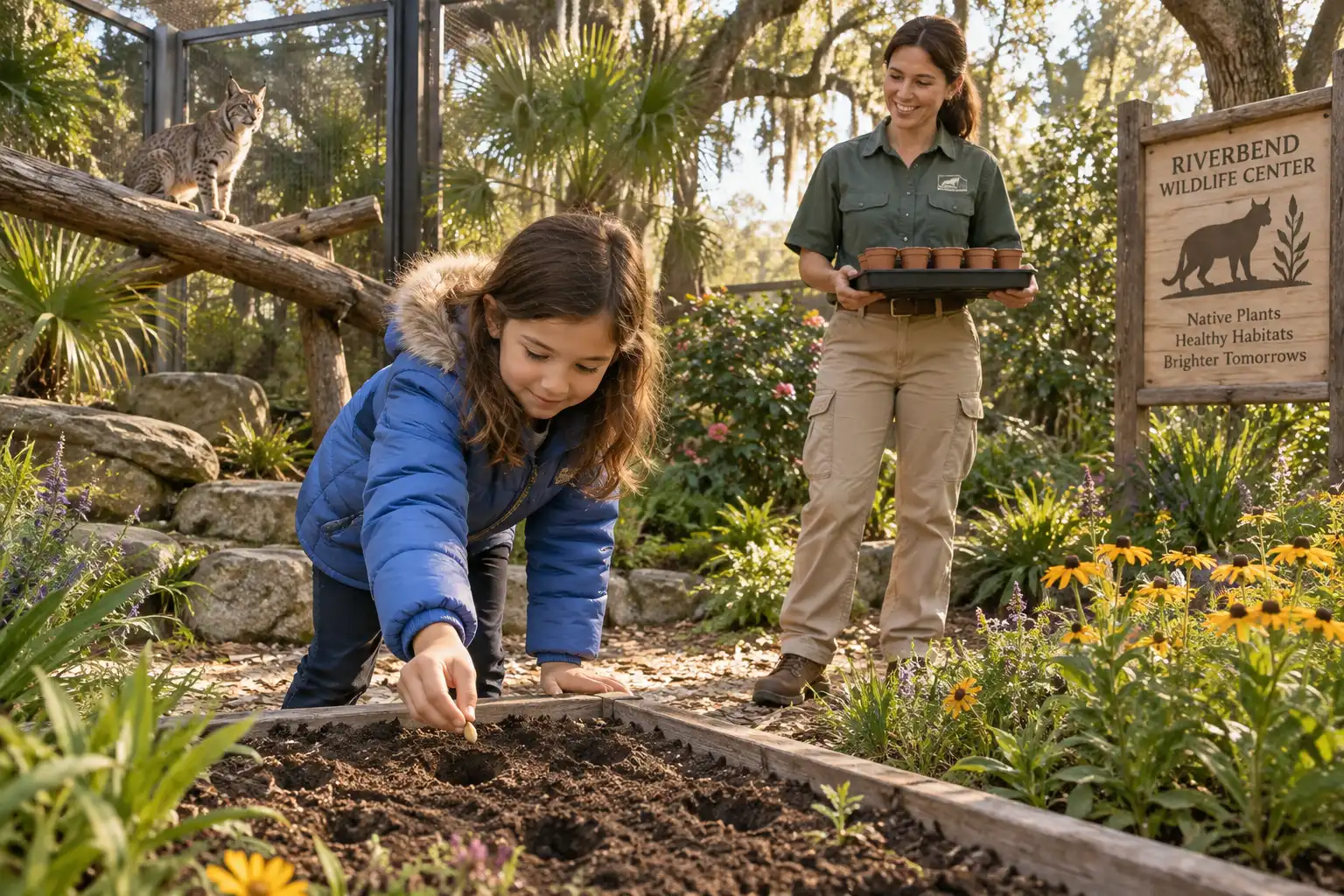
When Nora’s nature club plants a native wildflower seed at a warm-climate wildlife center, the first seedbed dries out too quickly. By watching Juniper, a bear cub, and comparing sunny and shaded soil with the keeper, Nora helps the club plant a new seed at the right depth and celebrates when a green shoot finally appears.
Quinn follows a pretend treasure map beside a creek and discovers a shiny box near a cabin porch. After respecting a family’s belongings and asking where the public path continues, Quinn and Cricket the owl find a box of story cards at a sunny picnic area and share its treasures with the cabin families before putting every card back.
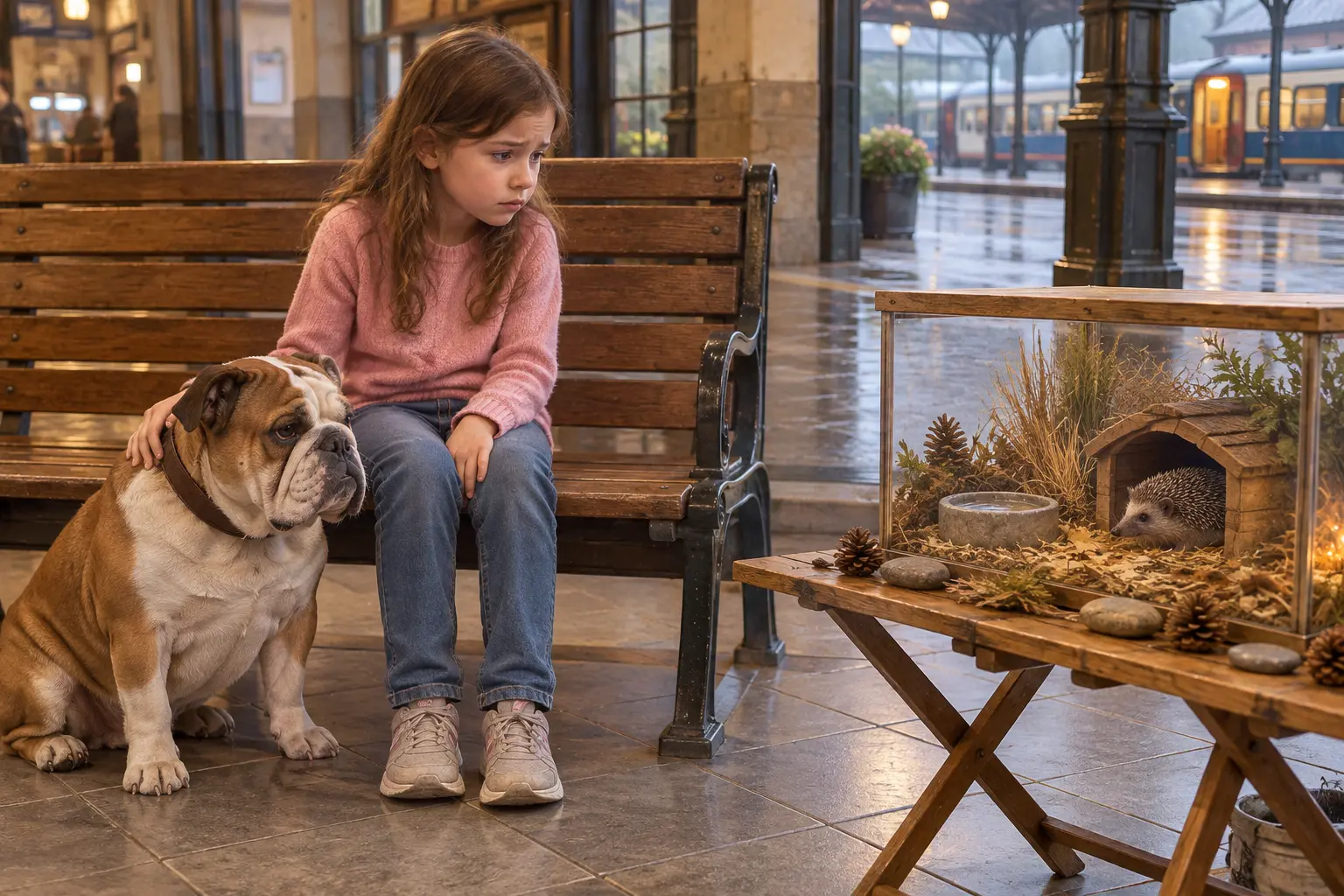
At a busy train station, seven-year-old Morgan watches Clover the hedgehog explore a paper tube and learns to steady her angry, worried feelings with slow breaths and four-count knee taps. After Morgan apologizes to Noah and suggests a fair plan for sharing the kids’ drum set, the same rhythm helps her relax and float at swim class. That night, Morgan and Noah practice their new rhythm together before bedtime, proud that they made up and solved their problem.
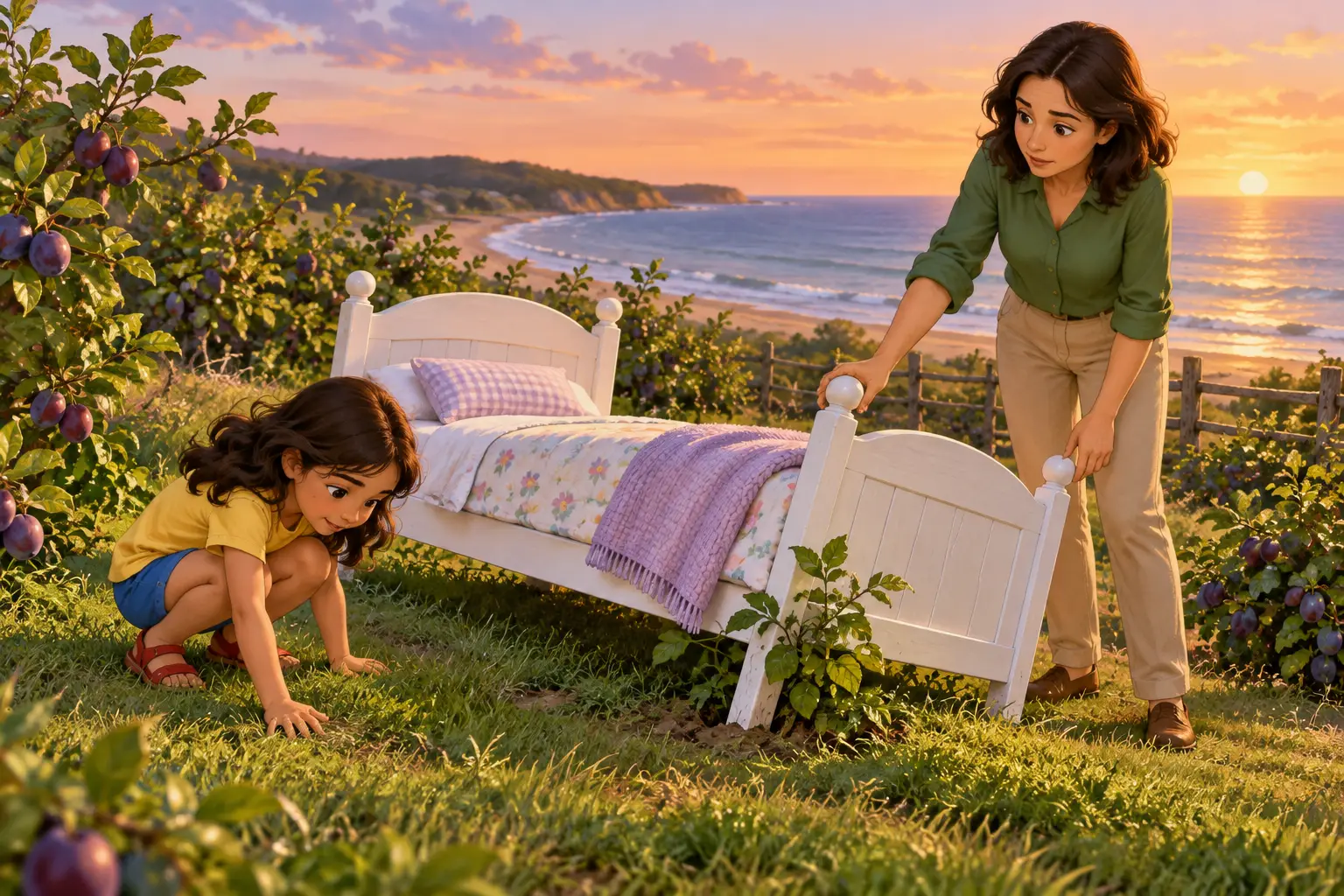
Amara brings her new child-sized bed outside for a supervised night beneath the stars at her family’s beach plum farm. When the first lawn spot is too soft and presses against a young plant, she helps move the bed to the level porch, where she counts stars, protects Button’s damp hiding place, and settles down happily.