This collection of science stories for ages 7-10 invites children and grown-ups to notice the natural world with curiosity. From creeks and meadows to stars, gardens, beaches, and winter greenhouses, these gentle tales make room for questions and wonder.
Stories Filled with Nature and Discovery
Titles such as The Quiet Places by the Creek, The Meadow Says Good-Night, and Mabel and the Firefly Trail suggest peaceful settings where young readers can pay attention to small details. Other stories, including The Sandpipers and the Pulling Wave and Luna’s Desert Garden Clue, point toward animals, habitats, weather, and the forces that shape the world around us.
The collection also reaches beyond the outdoors. Flicker in the Winter Greenhouse, The Town’s Darkest Stars, and Cora’s Beach-to-Bed Checklist offer different ways to connect science with familiar places and evening routines. Children can enjoy these stories for their atmosphere while pausing to wonder about what they might observe, measure, compare, or investigate in real life.
A Gentle Way to Read Science Together
Families can read one story aloud and invite children to share what they noticed in the title, setting, or illustrations, if included. Before reading, try a simple question such as, “What do you think we might discover?” Afterward, ask what the child is still wondering about. There is no need to turn every story into a lesson; a brief conversation can be enough.
For independent readers, these science tales can be part of a quiet reading choice after school or before bed. Younger siblings, older siblings, caregivers, and other trusted adults can take turns reading, discussing favorite details, or looking for related signs of nature during the next day’s walk.
For Curious Readers Ages 7-10
Science stories for kids in this age range can support an enjoyable bridge between imagination and observation. Share The Quiet Places by the Creek, Pebble’s Evening Claw, or Pip’s Six Quiet Trips when your family wants a calm story with a natural-world theme. Choose The Town’s Darkest Stars for a conversation about looking closely at the sky, or explore Cora’s Beach-to-Bed Checklist as a reminder that curiosity can fit into ordinary routines.
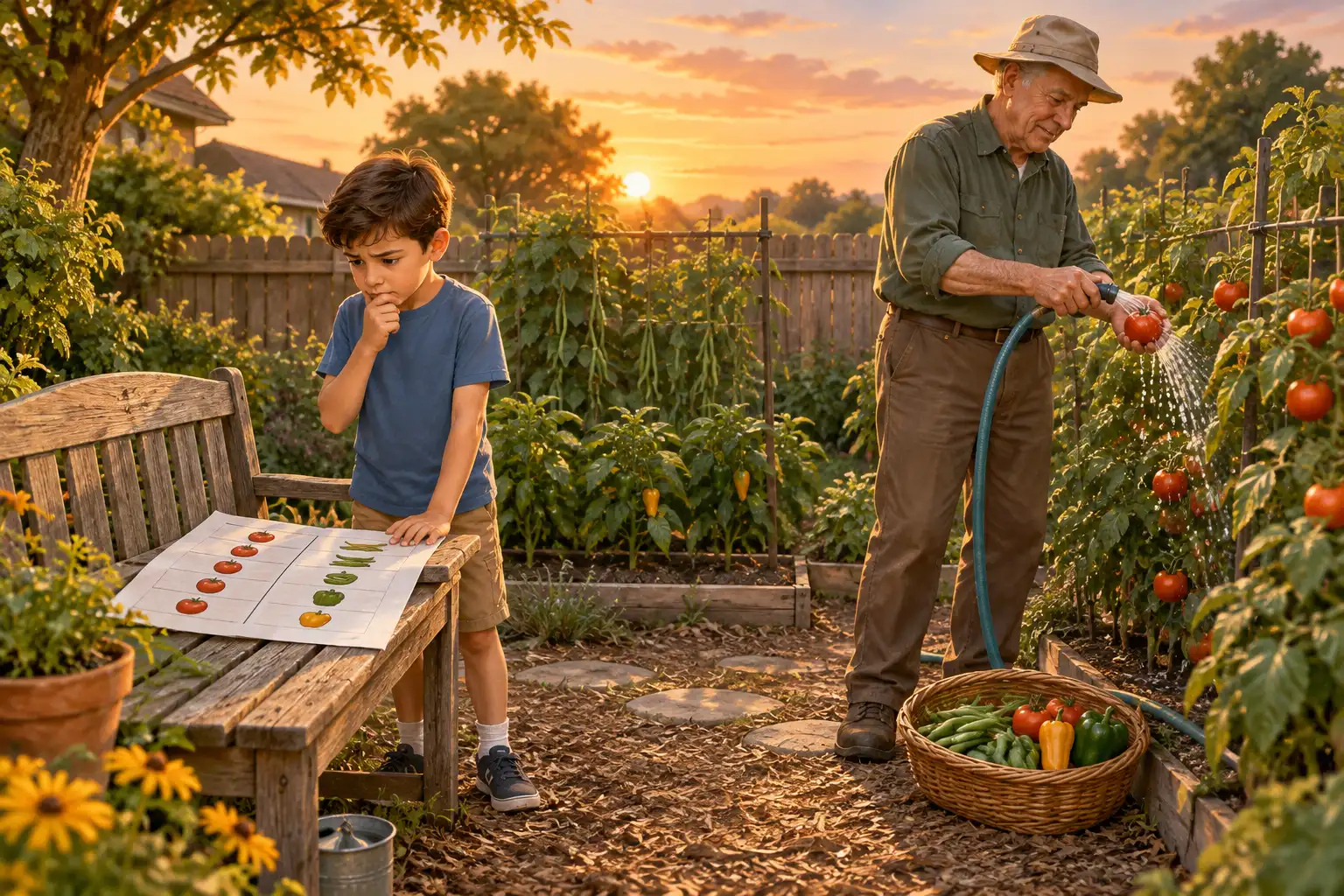
While helping his grandfather Omar gather tomatoes, beans, and peppers at dusk, nine-year-old Arjun prepares a science club chart about how people fit into the animal world. After noticing that his first chart shows only differences, Arjun quietly observes his pet hedgehog, Prickle, and revises his work to include shared needs as well as important differences. The next day, he presents a thoughtful chart and returns home to share the garden's best vegetables with Omar.
Ravi must finish his nature-club page about a meadow animal whose name begins with V, but first he cares for Honey, his orange kitten. With Aunt Elena beside him, he studies tiny runways and bent stems, briefly spots a meadow vole without disturbing it, and returns home proud of his careful notes and completed pet-care routine.
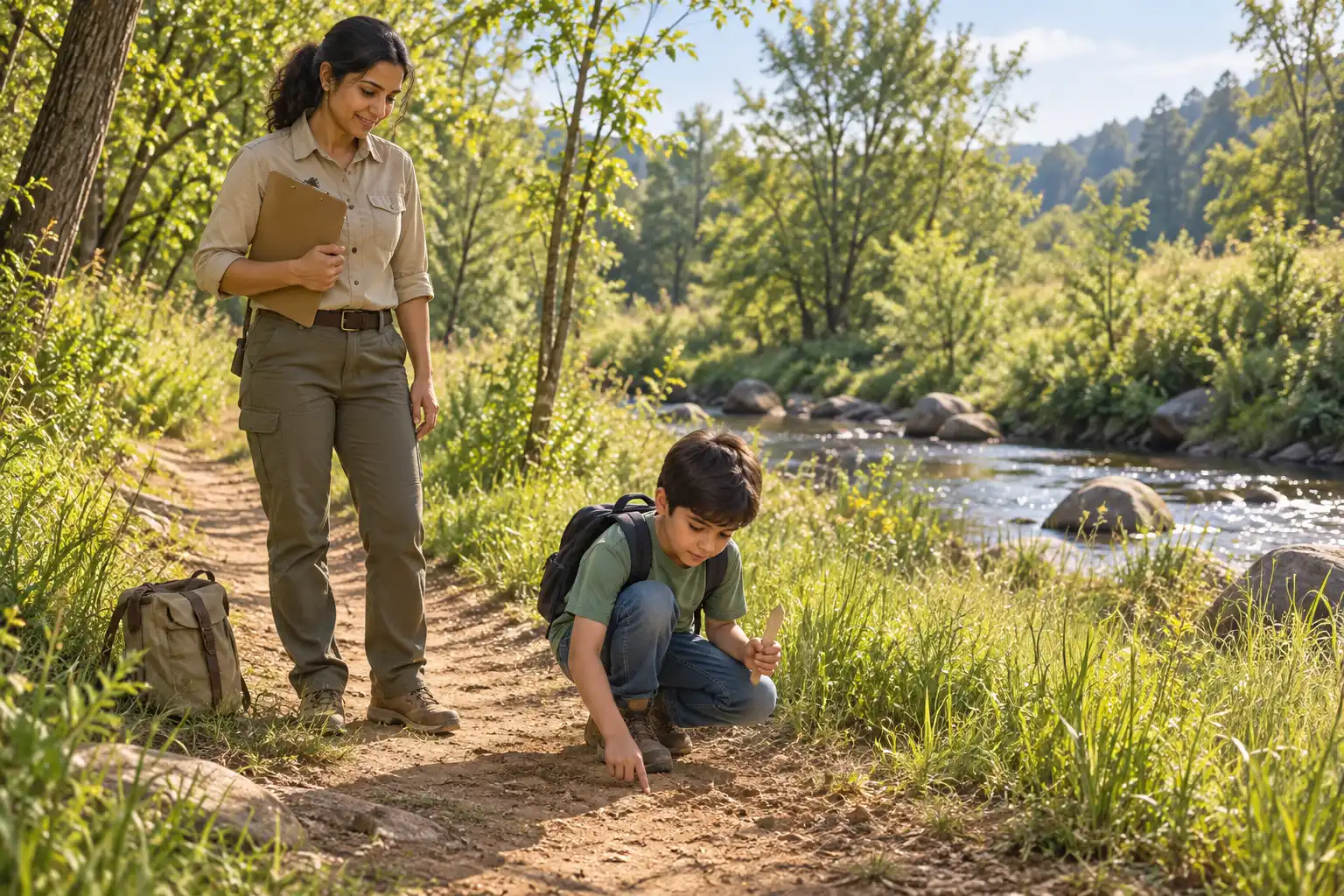
Yusuf visits a creek with Ms. Patel, a wildlife educator, to plant a native wildflower seed in a restoration patch. As they compare sunny soil, damp soil, and places protected from foot traffic, Yusuf watches a mother black bear search for insects across the water and notices the careful spaces she leaves undisturbed. After finding his lost seed and planting it in a sheltered spot, Yusuf walks home seeing the creek, Button’s whiskers, and every small wonder around him in a new way.
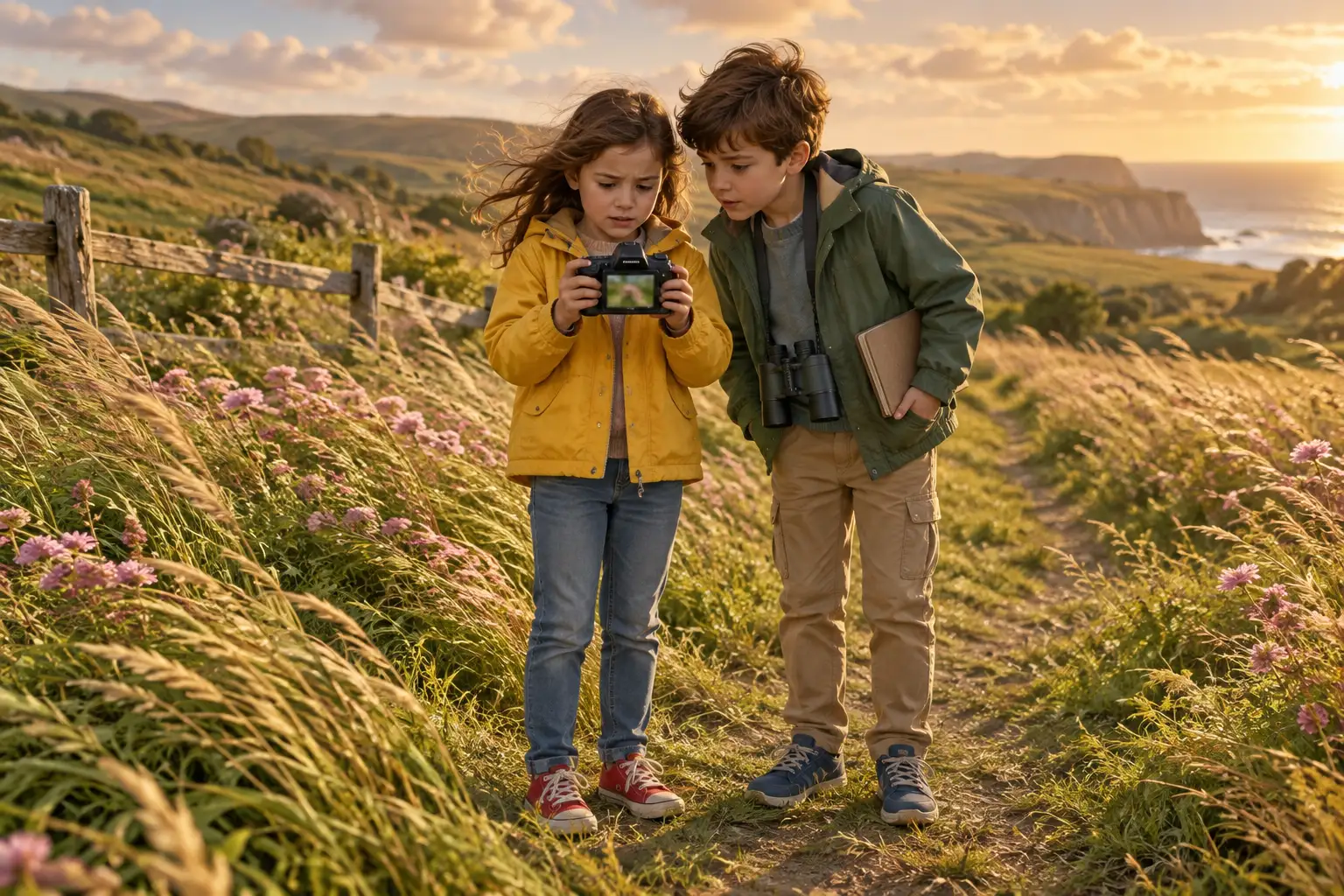
Sana visits a flower-filled meadow to take nature pictures for her grandfather, who is resting at home and cannot make the walk that day. When wind and distance leave her first photos blurry, her new neighbor Kai helps her find shaded spots, steady the camera against a fence post, and wait for clear views of a butterfly, a grasshopper, and a bumblebee. Together, they arrange the best images into a meadow story that lets Grandpa share their discovery.
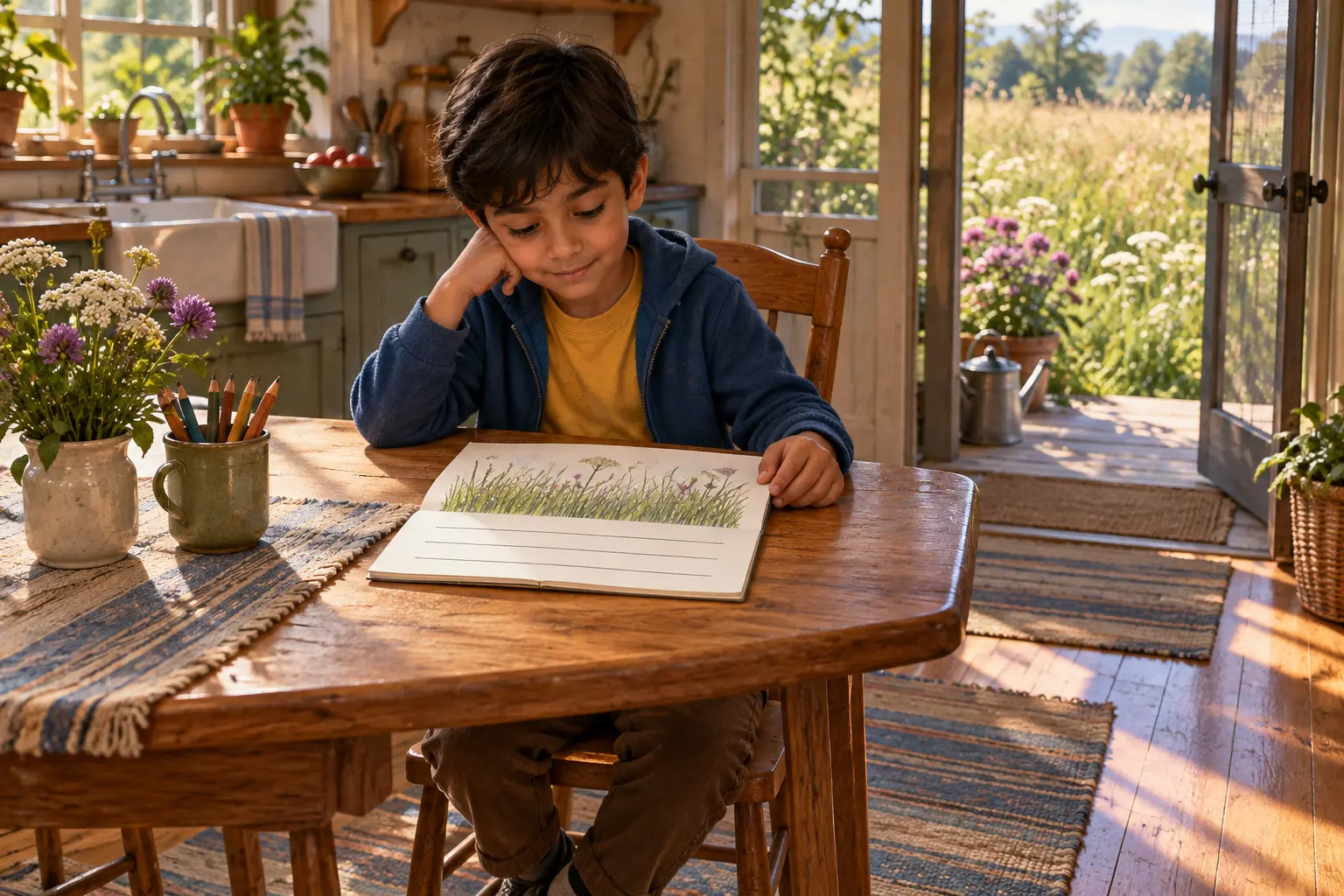
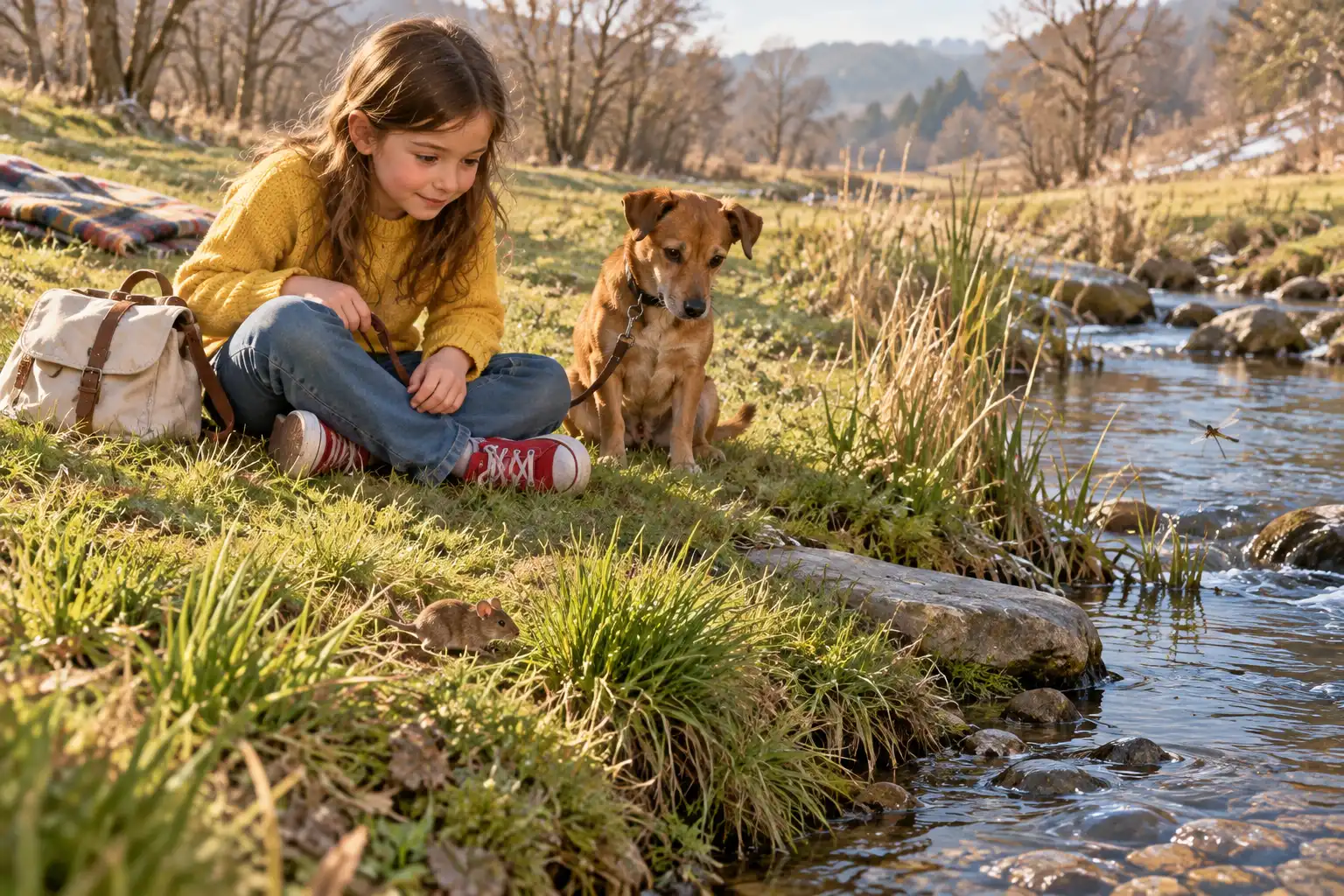
Audrey brings Dusty to the grassy bank of a creek to observe Pip, a field mouse, and write a letter to her friend Naomi. After first guessing that Pip is frightened, Audrey watches carefully, counts his trips, and discovers that he is gathering fallen seeds for later. At home, she adds sketches to her corrected letter and gives Dusty a gentle brush.
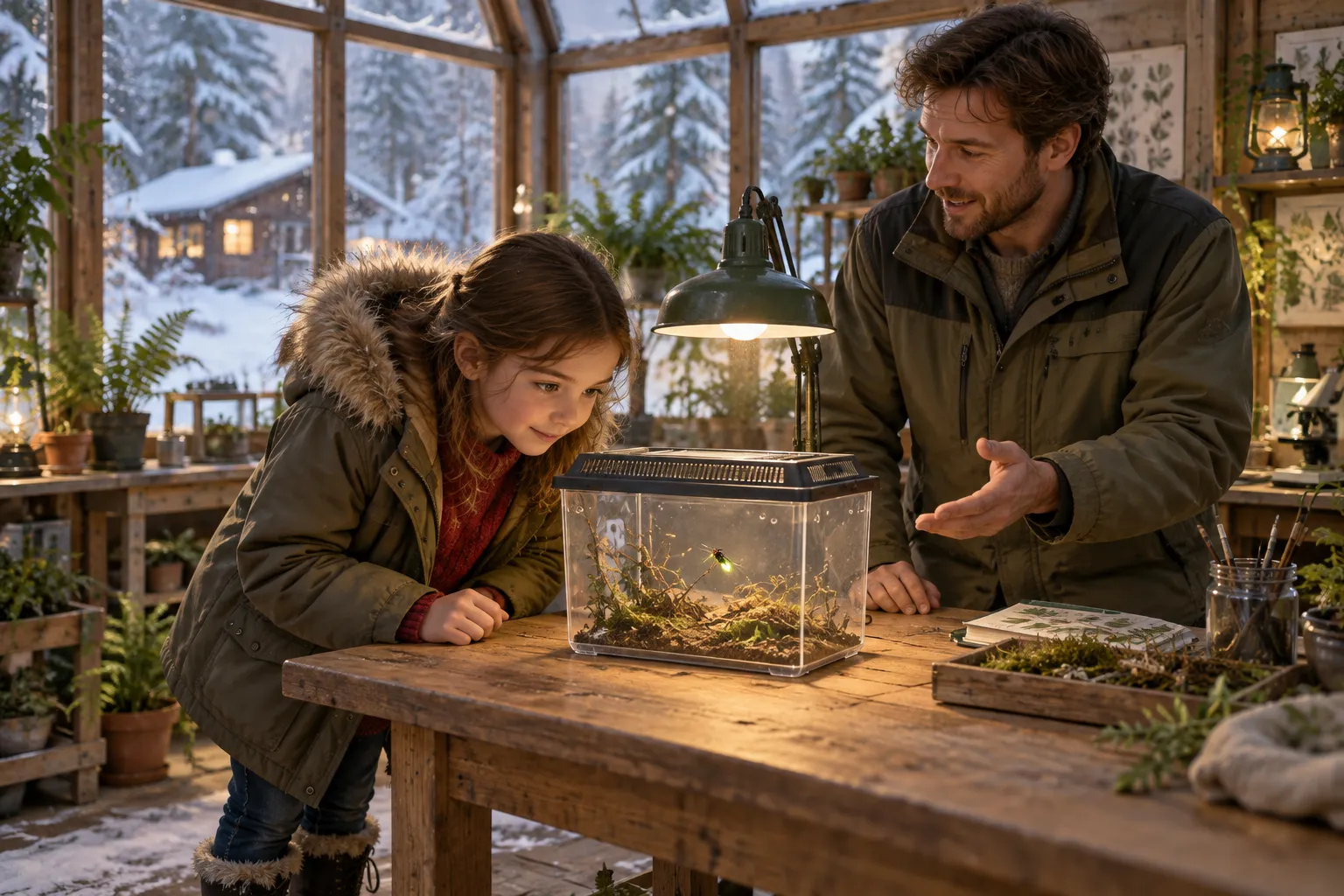
Willow visits a snowy forest research station with her father to plant a native spruce seed in the warm greenhouse. After spilled soil, an empty seed packet, and loose labels create confusion, Willow studies Flicker the firefly, listens to recordings of winter animals, and helps restore order. That evening, she turns what she learned into a bedtime story about farm animals and nighttime sounds.
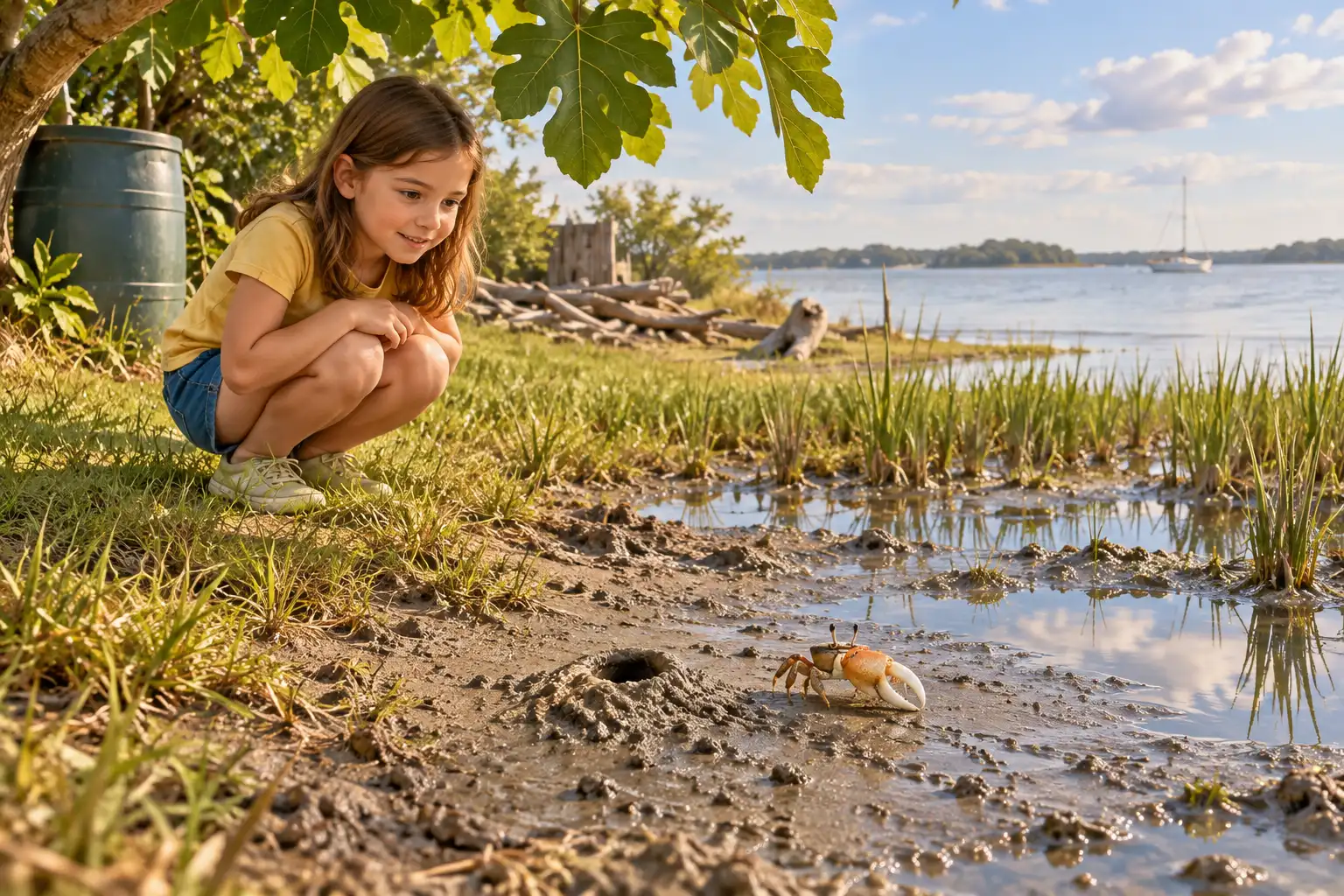
While visiting her grandfather in a small coastal town, ten-year-old Aaliyah becomes fascinated by Pebble, a tiny fiddler crab who appears beside the marsh each evening. After amusement-park videos make her rush through bedtime and miss Pebble’s visits, Aaliyah and Grandpa study the tide, fading light, and backyard sounds, then create a routine that gives her time for both adventure and rest.
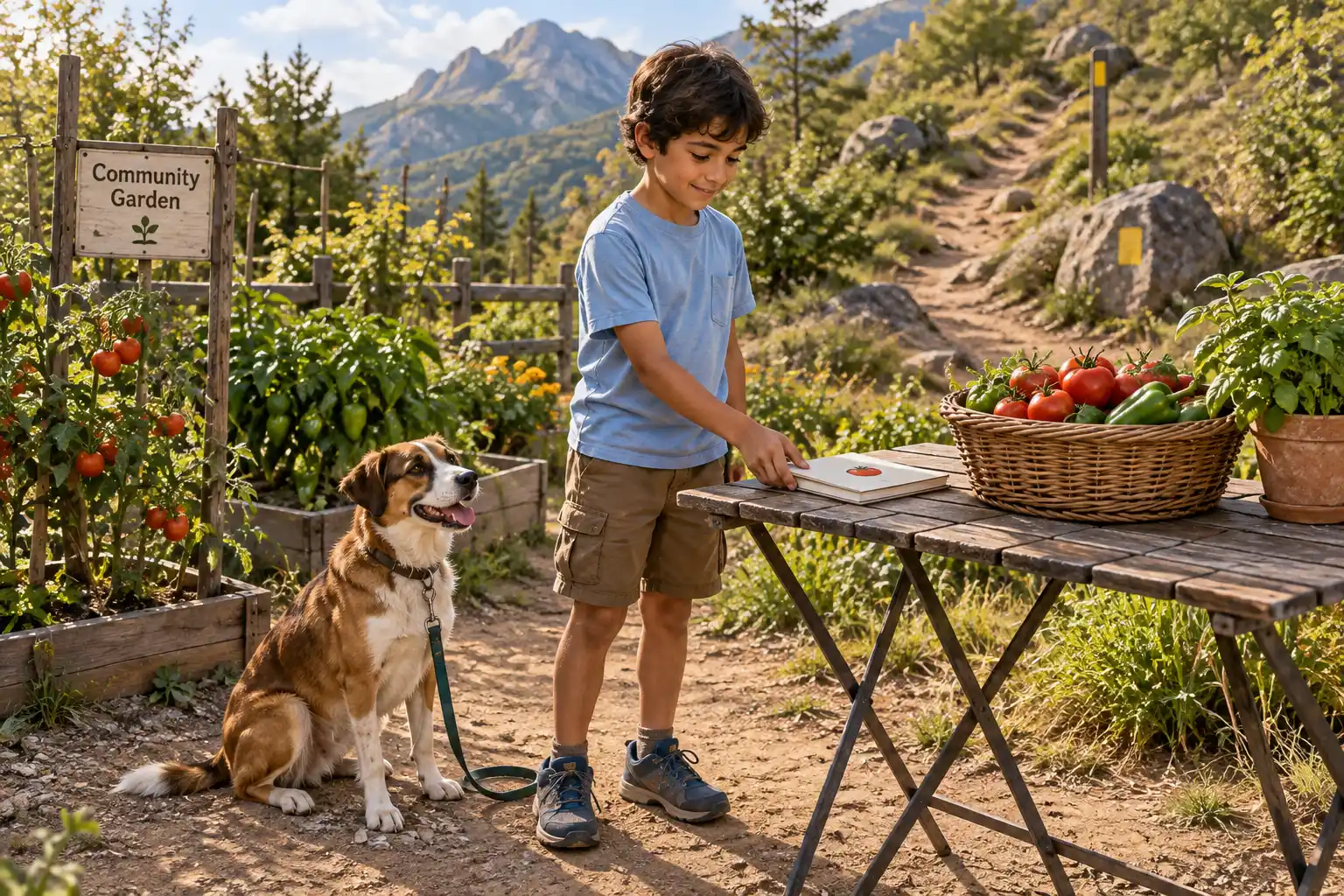
After picking ripe tomatoes and peppers with his aunt, seven-year-old Ibrahim takes his mixed-breed dog, Mabel, along a marked mountain trail to compare firefly flashes in shaded and brightly lit sections. His careful observations lead the garden club to switch off an unnecessary lamp and add a stay-on-the-path sign, and Ibrahim turns the adventure into a thoughtful blog post about respecting wildlife and private nature spots.
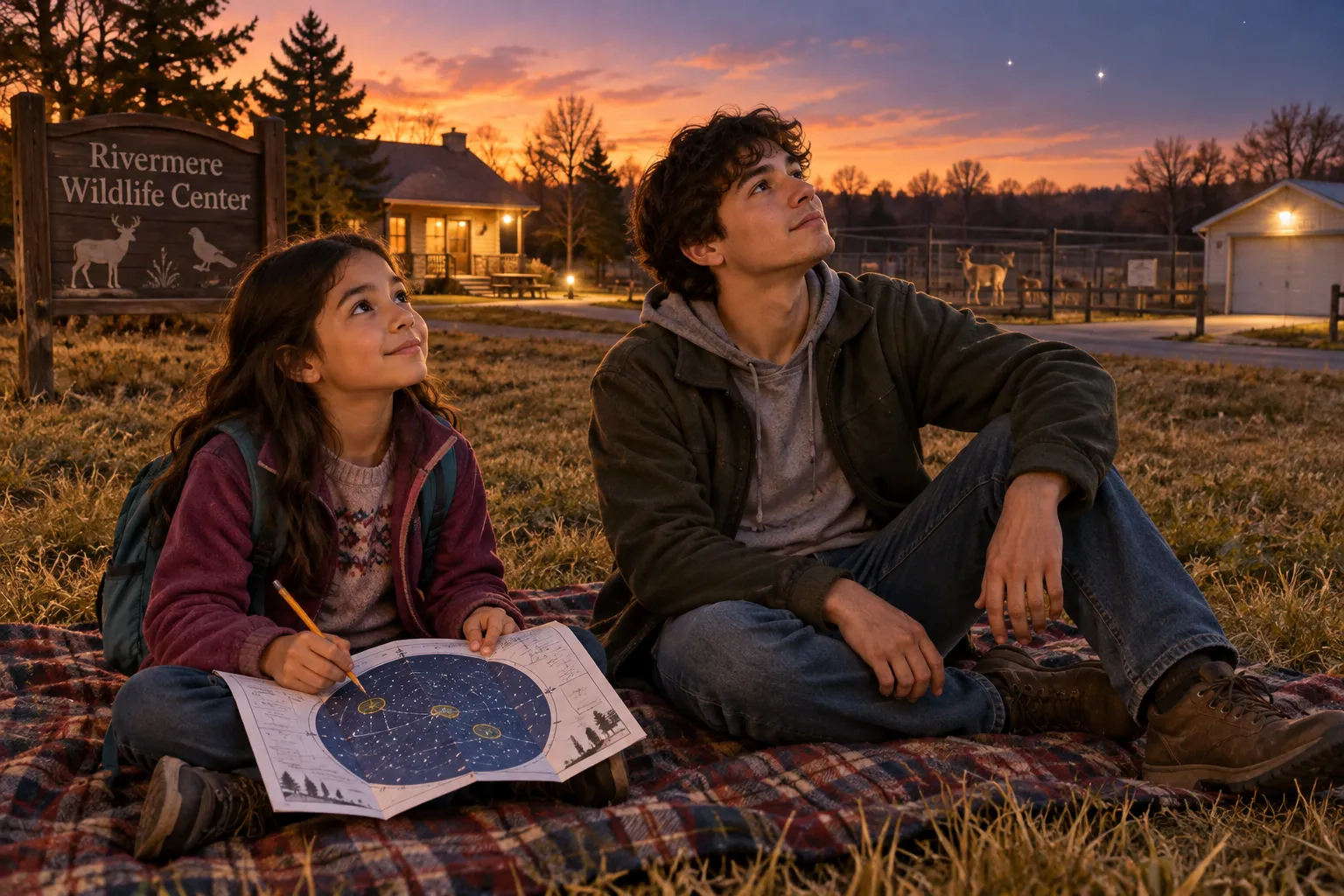
When bright porch lights make it difficult for Amina’s family and Flint, a young gray wolf at the local wildlife center, to settle into the evening, Amina tests three viewing spots and counts the stars from each one. With help from her grandmother, nearby neighbors, and the wildlife staff, she finds the town’s darkest place and ends the night writing thank-you notes beneath a sky full of stars.
Imani visits the beach with Cocoa, her Shih Tzu, and Dot, a classroom robot, hoping to answer Maya’s questions about beach animals. When she first mistakes sandpipers’ feeding for a game, careful watching, sound recordings, and repeated listening help her discover the truth and write a thoughtful letter with a funny drawing of Cocoa.