Turn-taking stories make reading a shared experience, with space for children and grown-ups to respond, wonder, and continue the story together. This collection is a welcoming starting point for families looking for interactive read-aloud moments.
What Are Turn-Taking Stories?
Turn-taking stories are designed around a back-and-forth style of reading. A page, line, question, or story moment can give one person a chance to read, while another responds, guesses, points, repeats a phrase, or adds an idea. The exact rhythm can change with each family and with each child’s age, reading ability, and interest.
These stories can be enjoyed by emerging readers, independent readers, siblings, friends, and grown-ups reading aloud. Since no single approach is required, families can decide whether to follow the words closely, pause for conversation, or let the child guide what happens next.
Ways to Enjoy Interactive Storytime
Try assigning alternating pages or paragraphs, or invite a child to take the lead whenever a familiar pattern appears. For younger listeners, a grown-up can read most of the text and offer simple choices, such as asking what a character might do or what detail the child notices. Older children may enjoy reading a section aloud and then trading places.
Turn-taking reading does not need to be perfectly even. A child may want to listen for a while, skip a turn, or return to the same part more than once. Keep the experience flexible and comfortable, and use these stories during a bedtime routine, a quiet afternoon, or any shared reading time that suits your household.
A Collection for Shared Reading
Browse these turn-taking stories when you want reading to feel like a conversation rather than a one-person performance. The collection can help families create space for listening, participation, and shared attention without requiring a particular age, reading level, or family setup.
Whether you read every turn, invite a few responses, or simply pause to talk about the story, the goal is to enjoy time together. Let each reader participate in a way that feels natural, and allow the conversation to become part of the reading experience.
Nolan and his dad, Marcus, meet Ruby, their new neighbor, at the neighborhood train station. After Ruby’s bicycle basket spills the paper eggs prepared for the station’s Easter story corner, the children gather them and take turns carrying the basket. By evening, the eggs form a bright circle around a cozy chair where Nolan and Ruby listen to a spring story together.
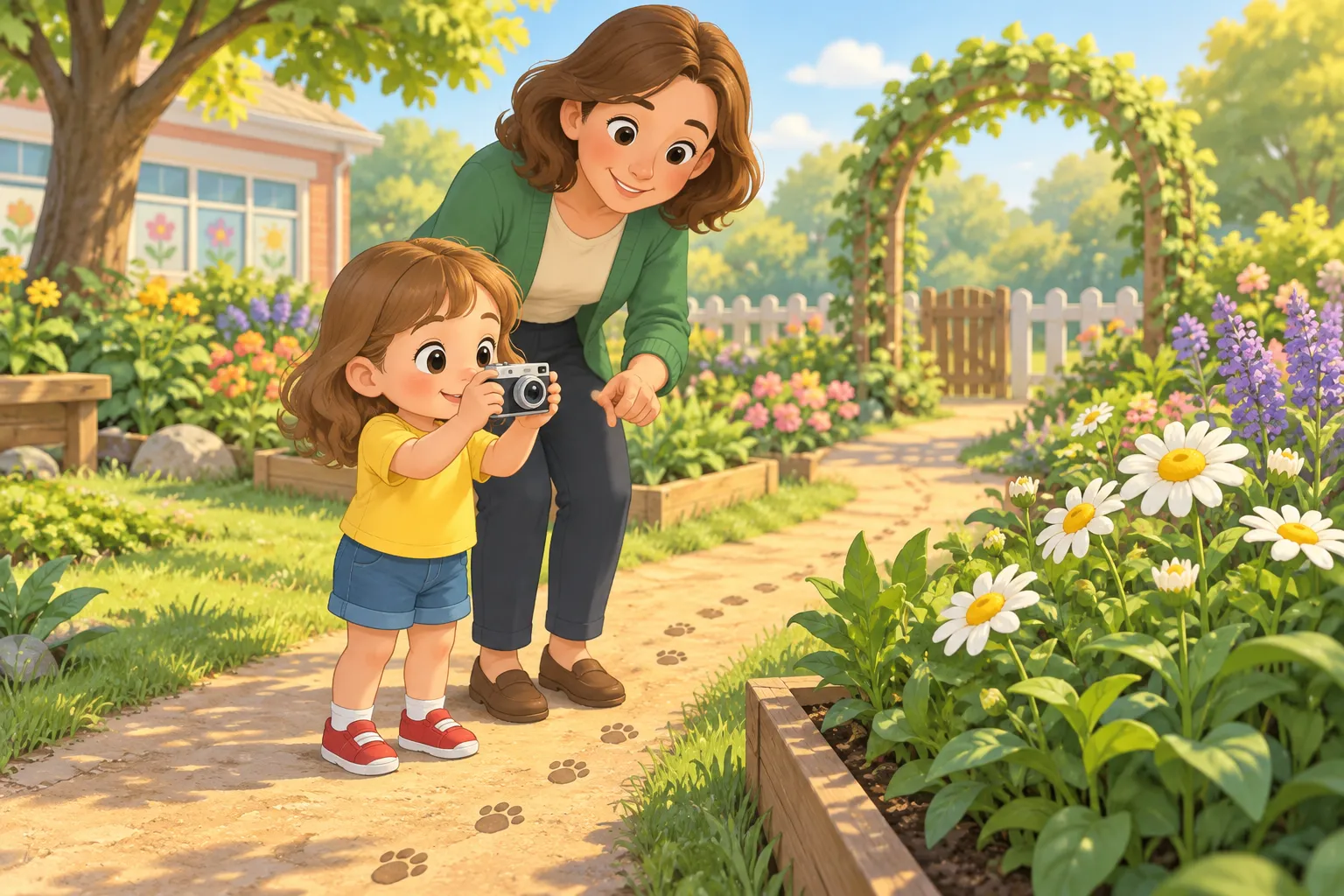
In the school garden, Clara wants to take every nature picture with the class camera. With Ms. Elena’s help, she photographs a daisy, passes the camera to Nico for a ladybug, and waits while Mabel the baby goat returns to the grass. Ms. Elena takes a picture of green leaves and a yellow flower, and then the children enjoy their pictures together.
After Amara and Riley argue about which game to play, Ms. Elena helps Amara write a kind letter that says she is sorry and suggests taking turns. When Sandy, a small crab, crawls into view in the recreation center’s saltwater tank, Amara adds a picture of Sandy to the letter. The next day, Riley brings a thoughtful reply, and the friends enjoy a game together by taking turns.
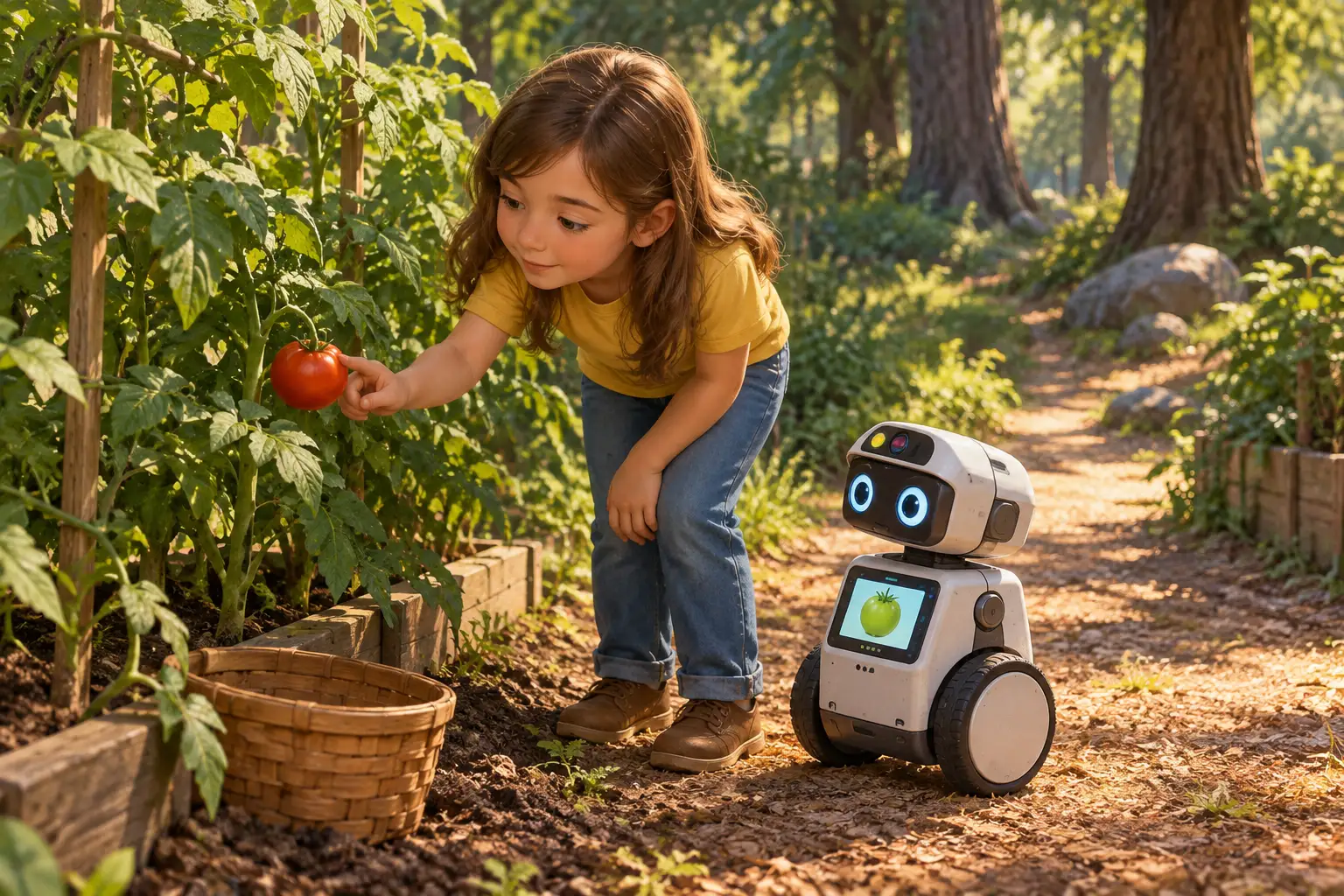
Quinn visits a woodland garden with Aunt Lena, her cat Poppy, and Dot, a classroom robot, to gather ripe tomatoes, beans, and cucumbers for the school cooking club. When Dot’s color sensor mistakes shaded vegetables for unripe ones, Quinn and Aunt Lena compare color, firmness, and smell before picking. Their careful work fills the basket, and Quinn saves some vegetables for classmates who are still waiting for their turn.
Mia hikes a marked mountain trail with her stuffed cat, Button, and Ranger Elena. When a red fox named Cedar approaches the open trail pantry, Mia helps watch him quietly after the ranger closes and latches the door. At the lookout, Mia and Jordan take turns painting Cedar among the trees, creating a bright shared memory before the fox returns to the woods.
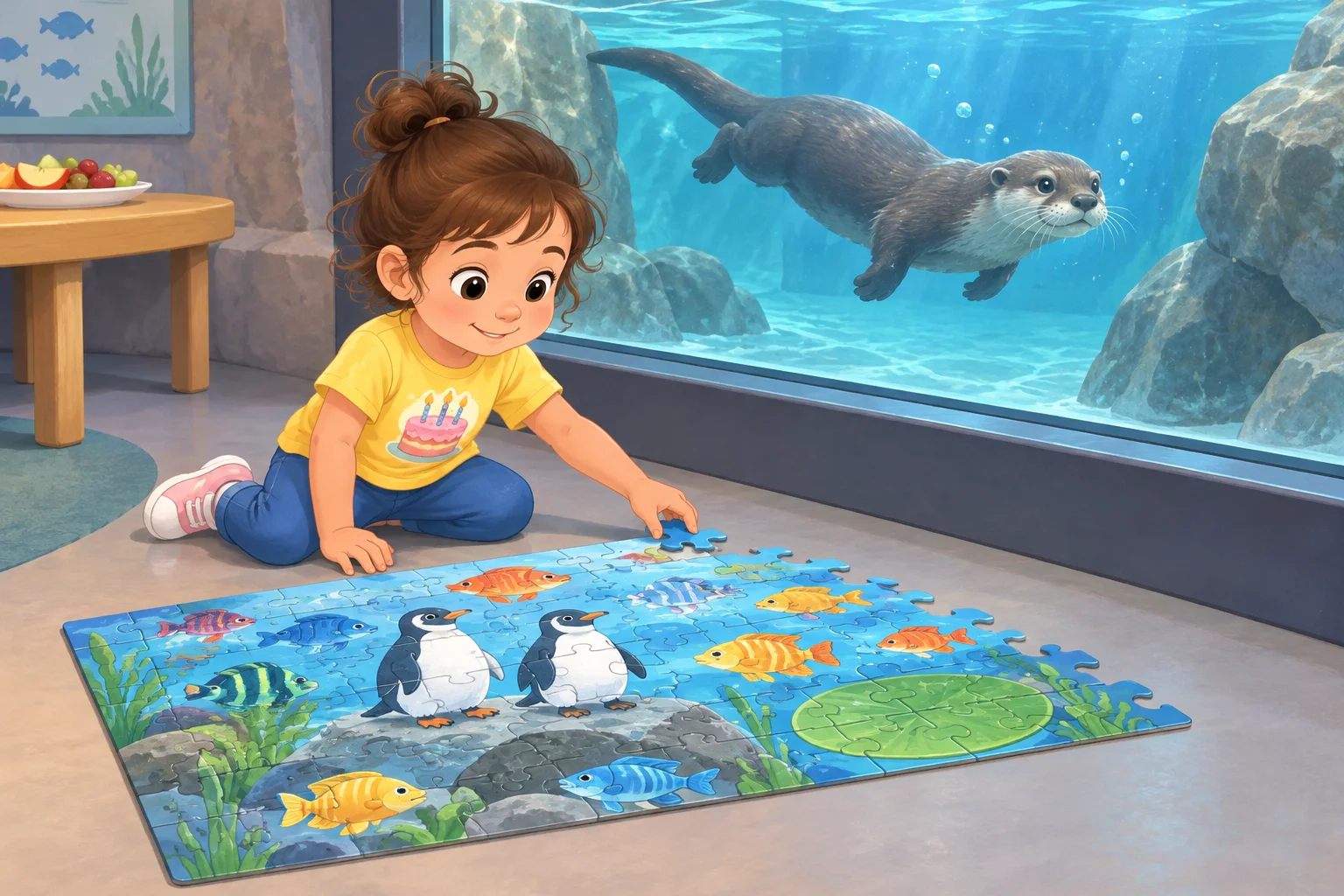
At her small birthday gathering, Iris welcomes her new neighbor Noah and invites him to build a fish puzzle beside Tumble’s aquarium habitat. When one piece slides away, the children find it, finish the puzzle, and share fruit while Tumble swims nearby.
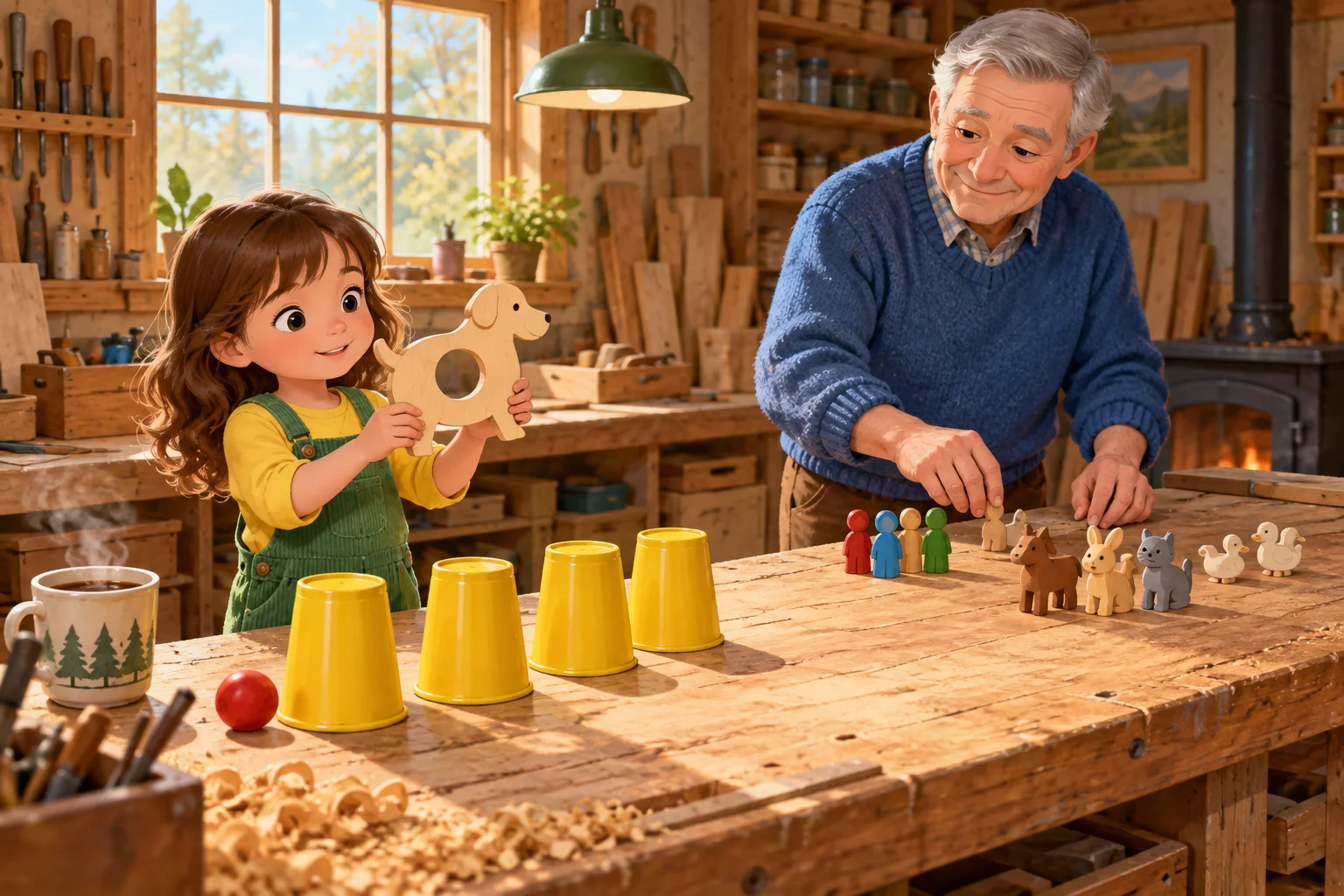
June helps her grandparent build a garden game for young visitors at the wildlife center. When Milo finds the first rules too hard, June changes the game so everyone can plant seeds, choose wooden characters, and roll a ball toward a dog-shaped target. Soon Milo is laughing and creating a garden story of his own.
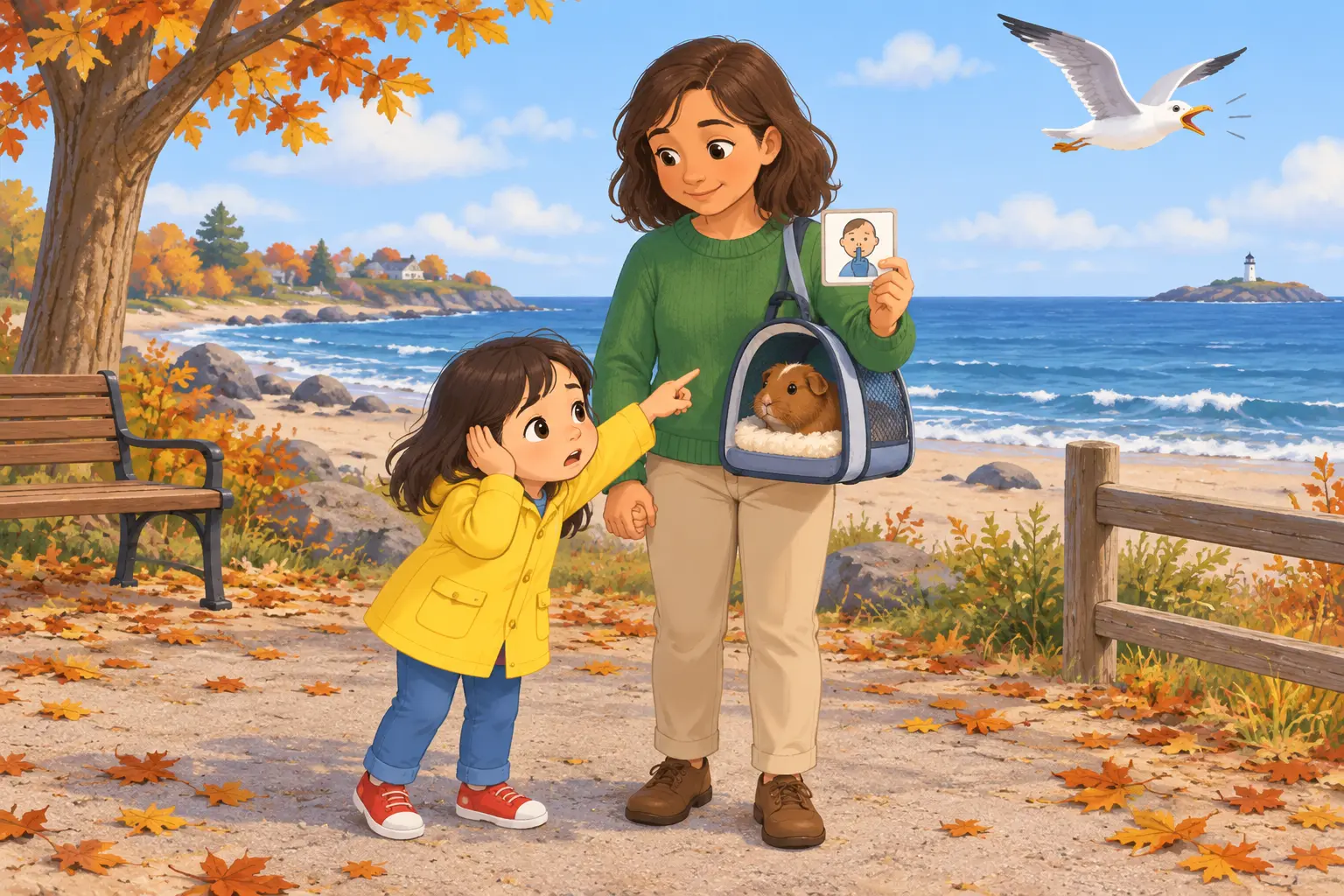
At a neighborhood park by the shore, Naomi finds a gull’s call too loud and uses a quiet picture card to show her grown-up what she needs. After moving to a calmer bench, she takes turns caring for Muffin, her guinea pig, watches a dolphin rise in the water, and follows her familiar bedtime steps at home.
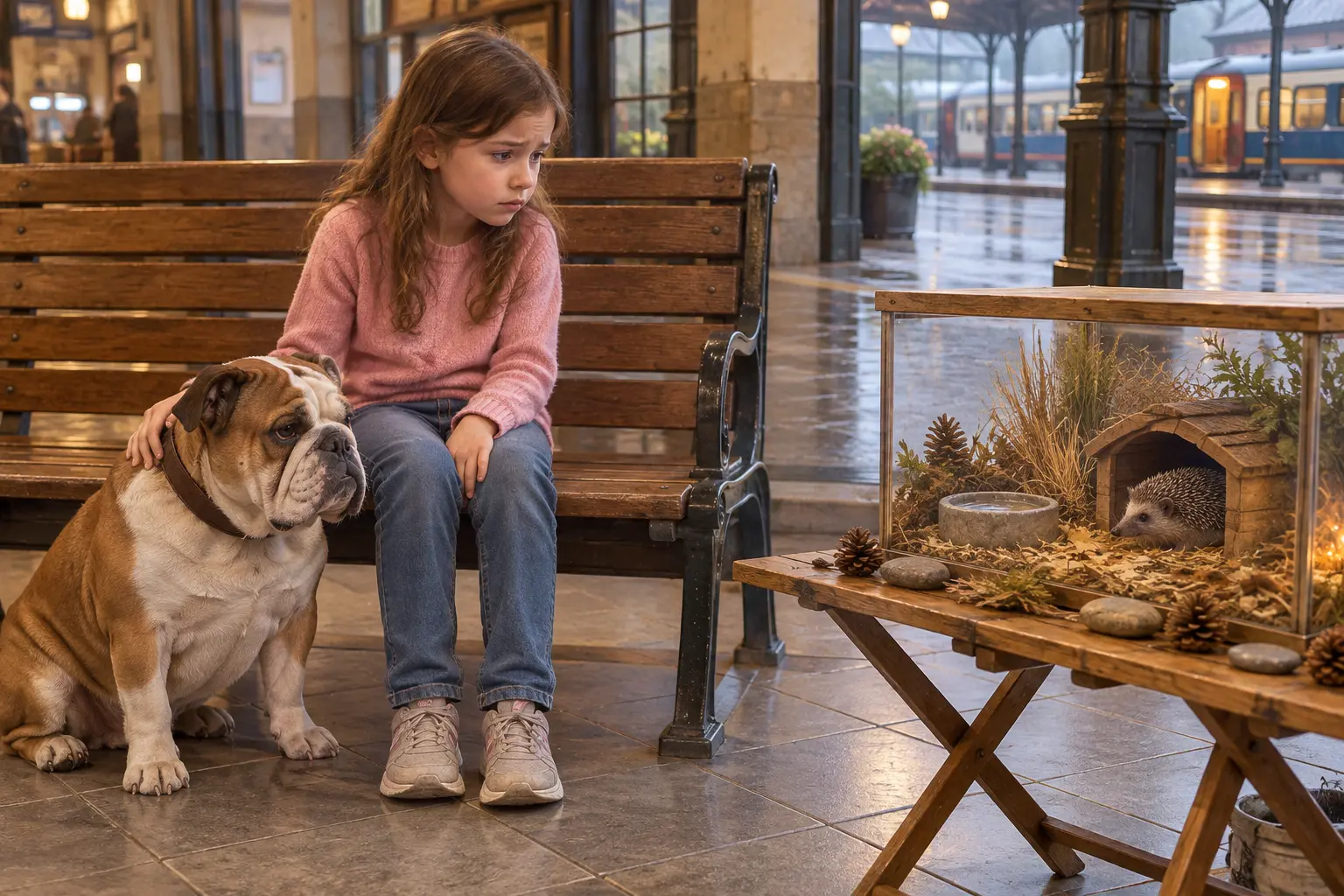
At a busy train station, seven-year-old Morgan watches Clover the hedgehog explore a paper tube and learns to steady her angry, worried feelings with slow breaths and four-count knee taps. After Morgan apologizes to Noah and suggests a fair plan for sharing the kids’ drum set, the same rhythm helps her relax and float at swim class. That night, Morgan and Noah practice their new rhythm together before bedtime, proud that they made up and solved their problem.
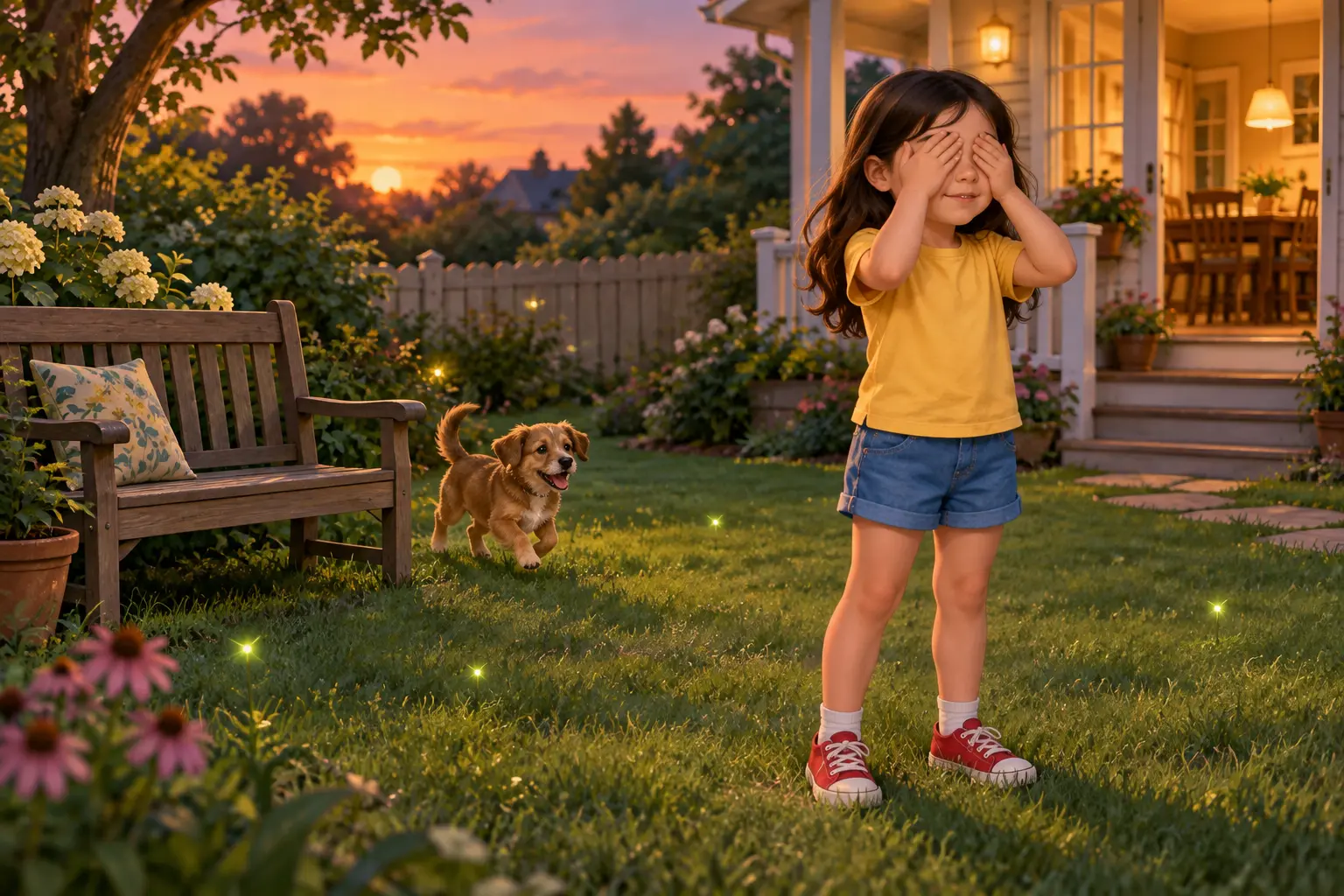
Zara wants to play hide-and-seek with her puppy, Tumble, but he keeps rushing out before she finishes counting. After she teaches him to wait and listen, they take fair turns hiding around the backyard before cuddling indoors for a bedtime story about a friendly mermaid.