Longer stories for ages 7–10 explore friendship, family, and meaningful choices through engaging characters and adventures. Enjoy them independently or read together before bed.
Find a story that fits the evening, explore new adventures, and save your favorites in a free account. Every published story is free to read.
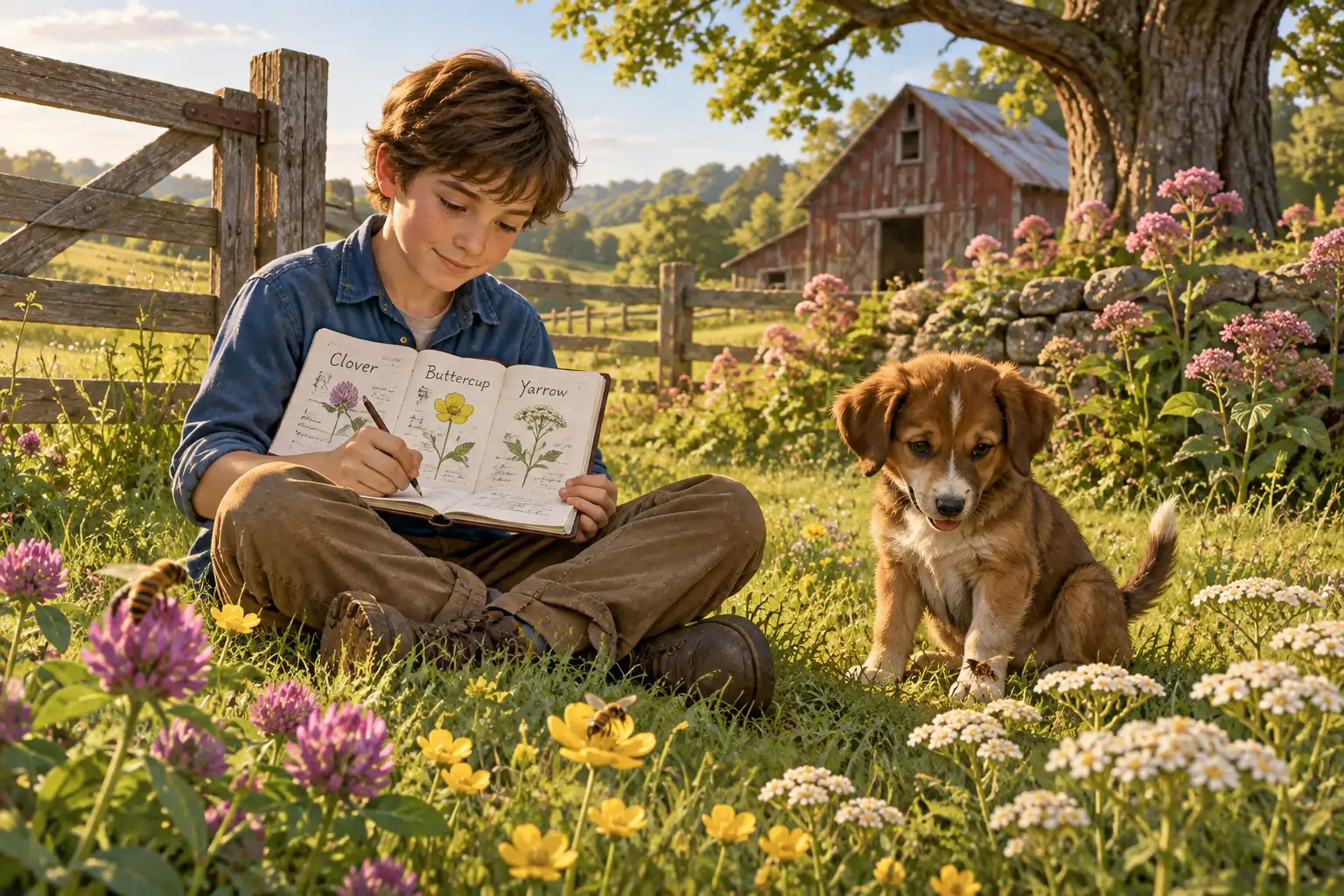
Eight-year-old Elliot visits his family’s farm with Pepper, his playful puppy, to create a handmade bedtime story about the meadow’s flowers for his school reading club. After observing bees, drawing three real meadow animals, and testing recycled paper that will not smear, Elliot shares the finished booklet with younger students and submits it with an adult’s help to the school’s free online collection for seven-year-olds, bringing the farm community closer together.
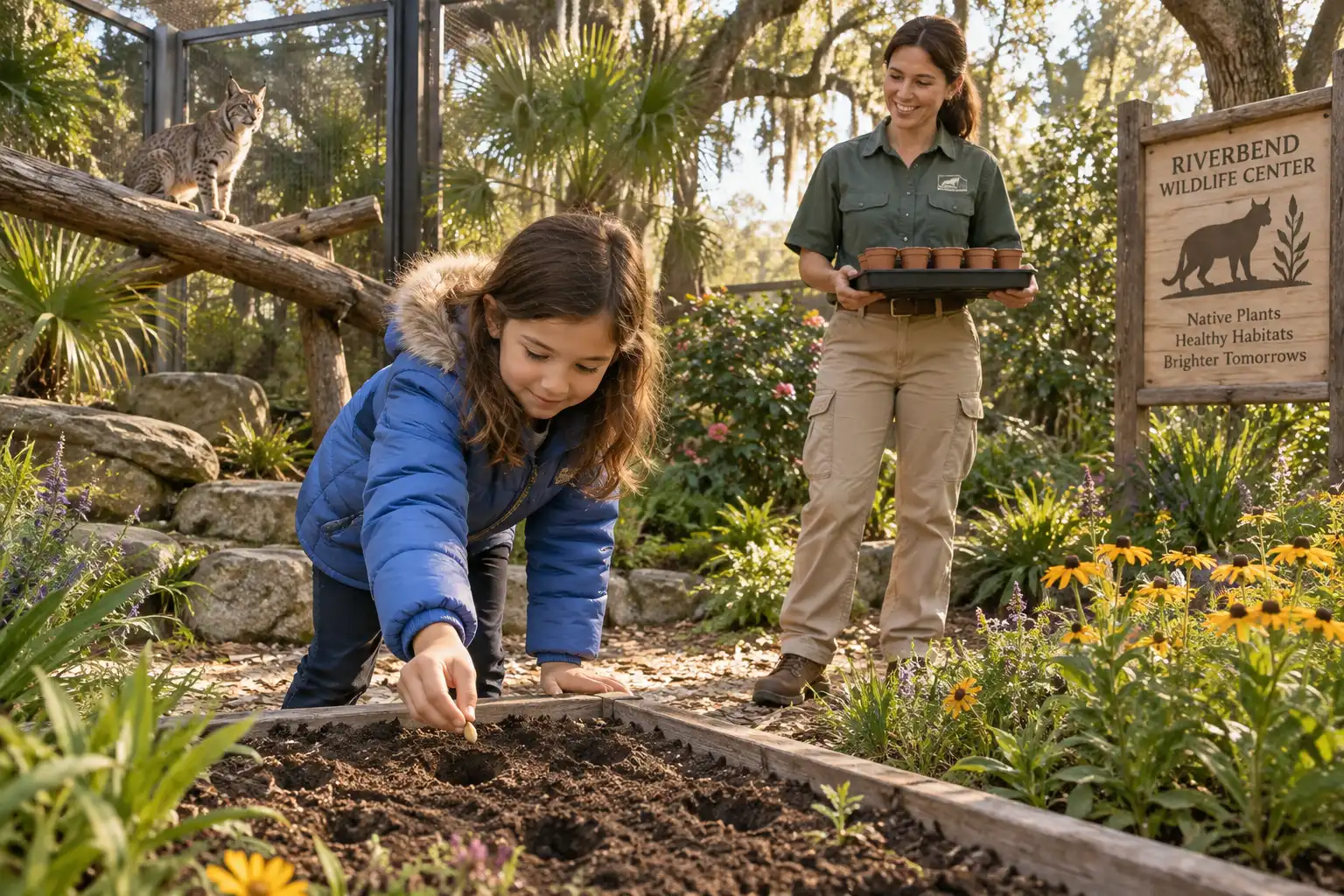
When Nora’s nature club plants a native wildflower seed at a warm-climate wildlife center, the first seedbed dries out too quickly. By watching Juniper, a bear cub, and comparing sunny and shaded soil with the keeper, Nora helps the club plant a new seed at the right depth and celebrates when a green shoot finally appears.
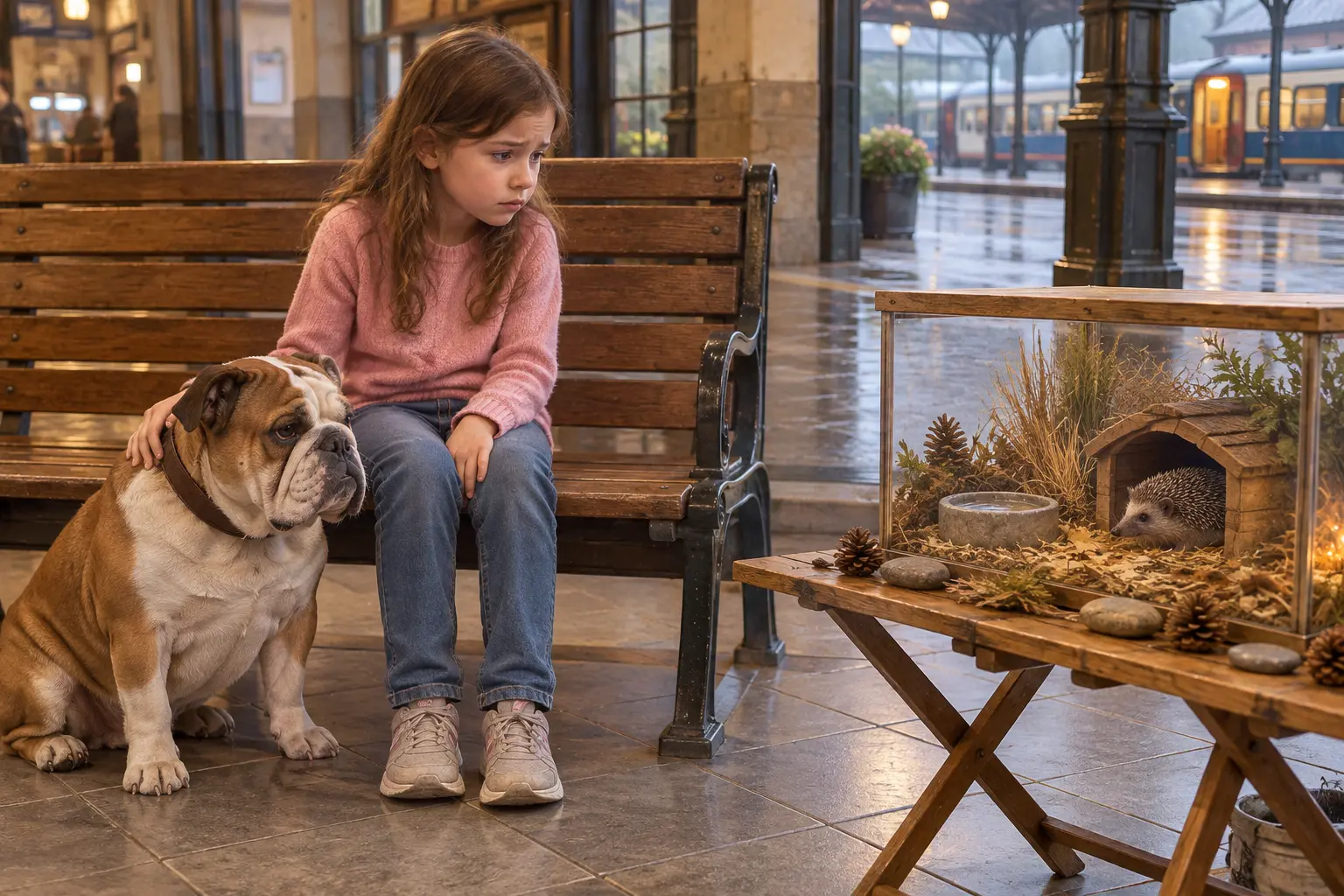
At a busy train station, seven-year-old Morgan watches Clover the hedgehog explore a paper tube and learns to steady her angry, worried feelings with slow breaths and four-count knee taps. After Morgan apologizes to Noah and suggests a fair plan for sharing the kids’ drum set, the same rhythm helps her relax and float at swim class. That night, Morgan and Noah practice their new rhythm together before bedtime, proud that they made up and solved their problem.
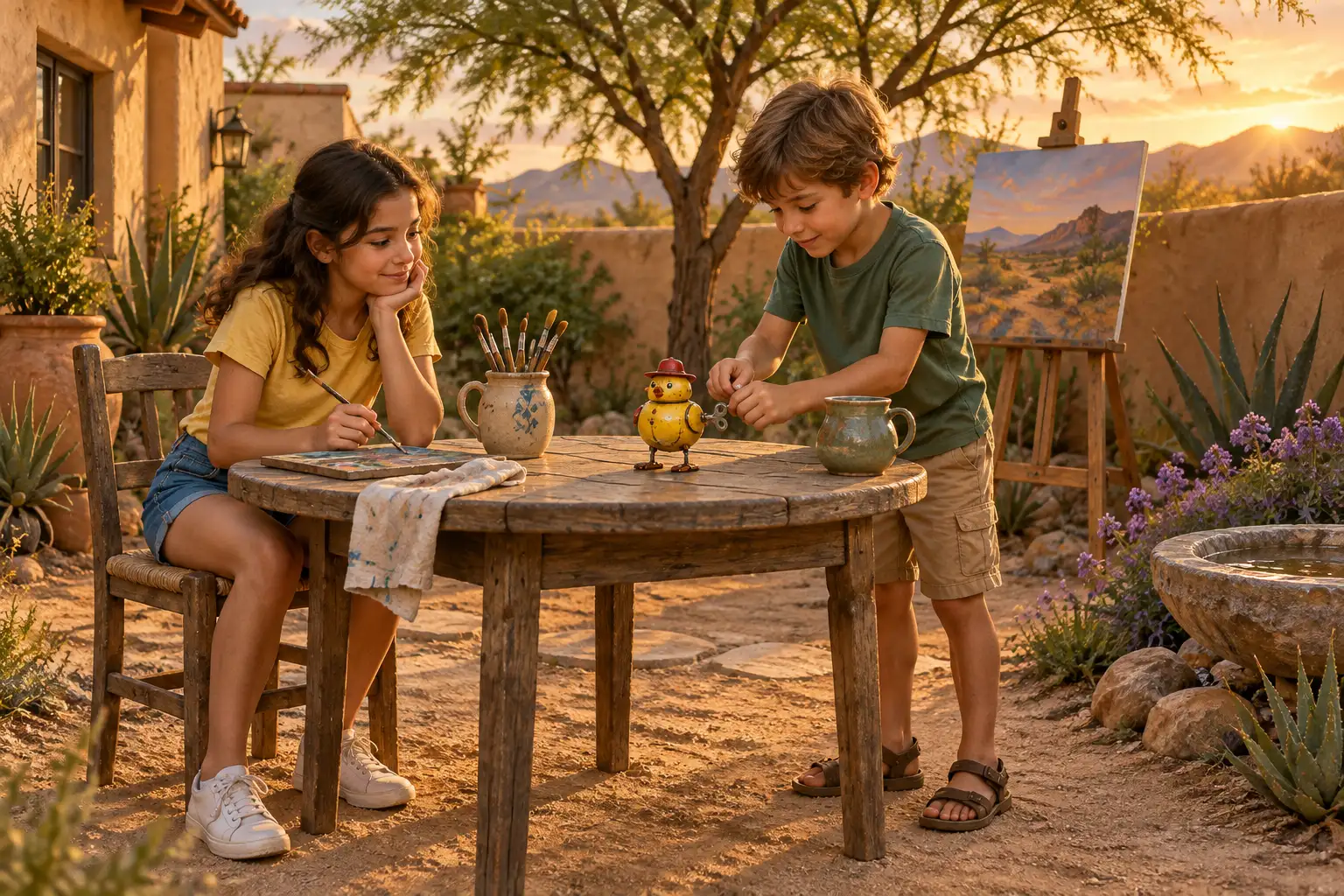
Zara helps her new neighbor James paint his family’s desert garden for their school nature club, but a wheezy wind-up toy drowns out the sounds they hope to record. After they test the garden with the toy on and off, they discover a desert owl hunting moths near the flowers, finish their painting, and end the evening with notes, bedtime routines, and one last soft owl call.
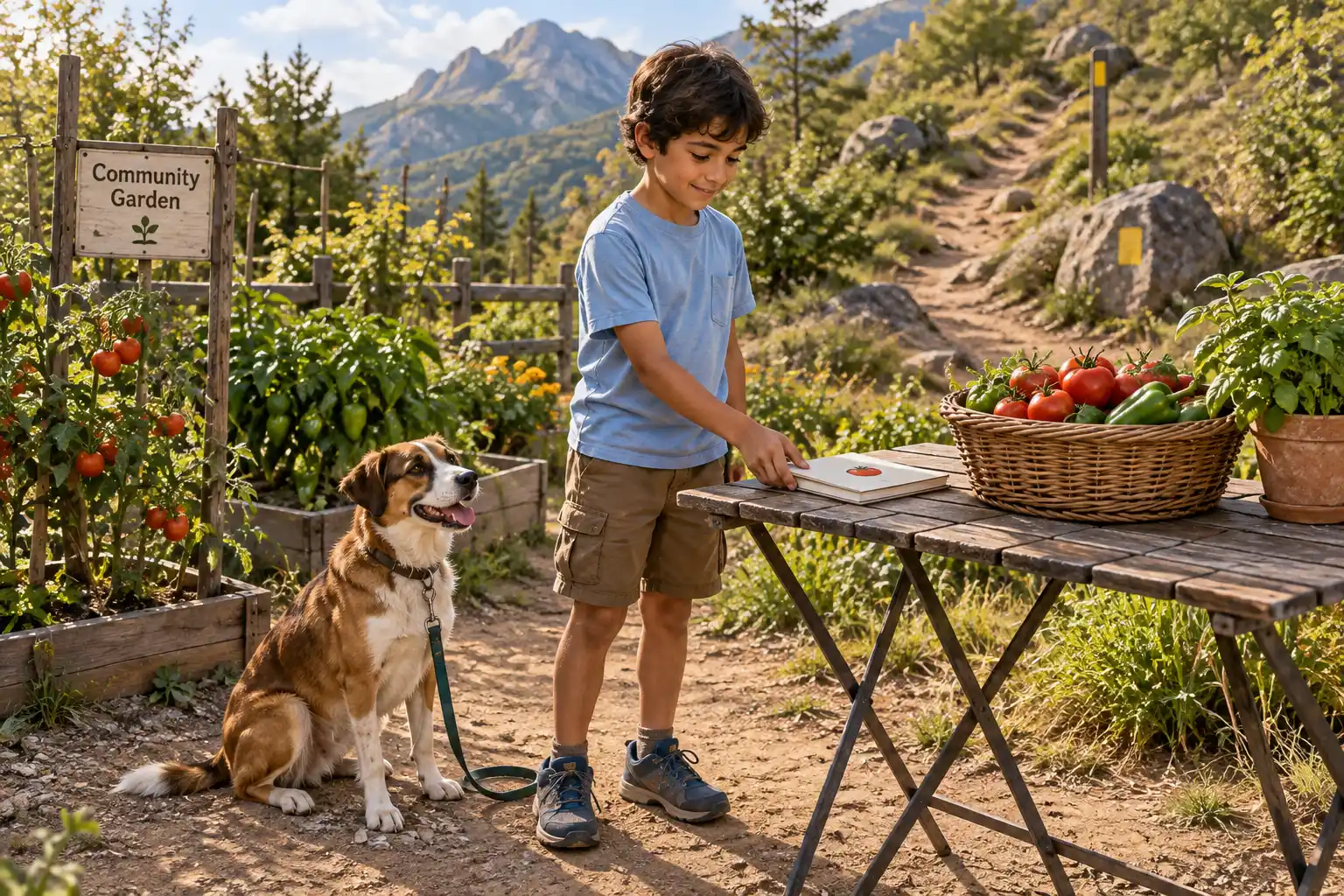
After picking ripe tomatoes and peppers with his aunt, seven-year-old Ibrahim takes his mixed-breed dog, Mabel, along a marked mountain trail to compare firefly flashes in shaded and brightly lit sections. His careful observations lead the garden club to switch off an unnecessary lamp and add a stay-on-the-path sign, and Ibrahim turns the adventure into a thoughtful blog post about respecting wildlife and private nature spots.
During a beginner swim lesson beside a pond, eight-year-old Elena notices a loose strip of plastic tangled near the water lilies and a barn swallow named Skim trying to reach the insects gathered on it. With Ms. Chen and the nature center’s naturalist, Elena studies Skim’s flight path and helps remove the plastic with a long-handled net. Later, she reaches ten calm breaths while floating and turns the day’s discoveries into a bedtime story.
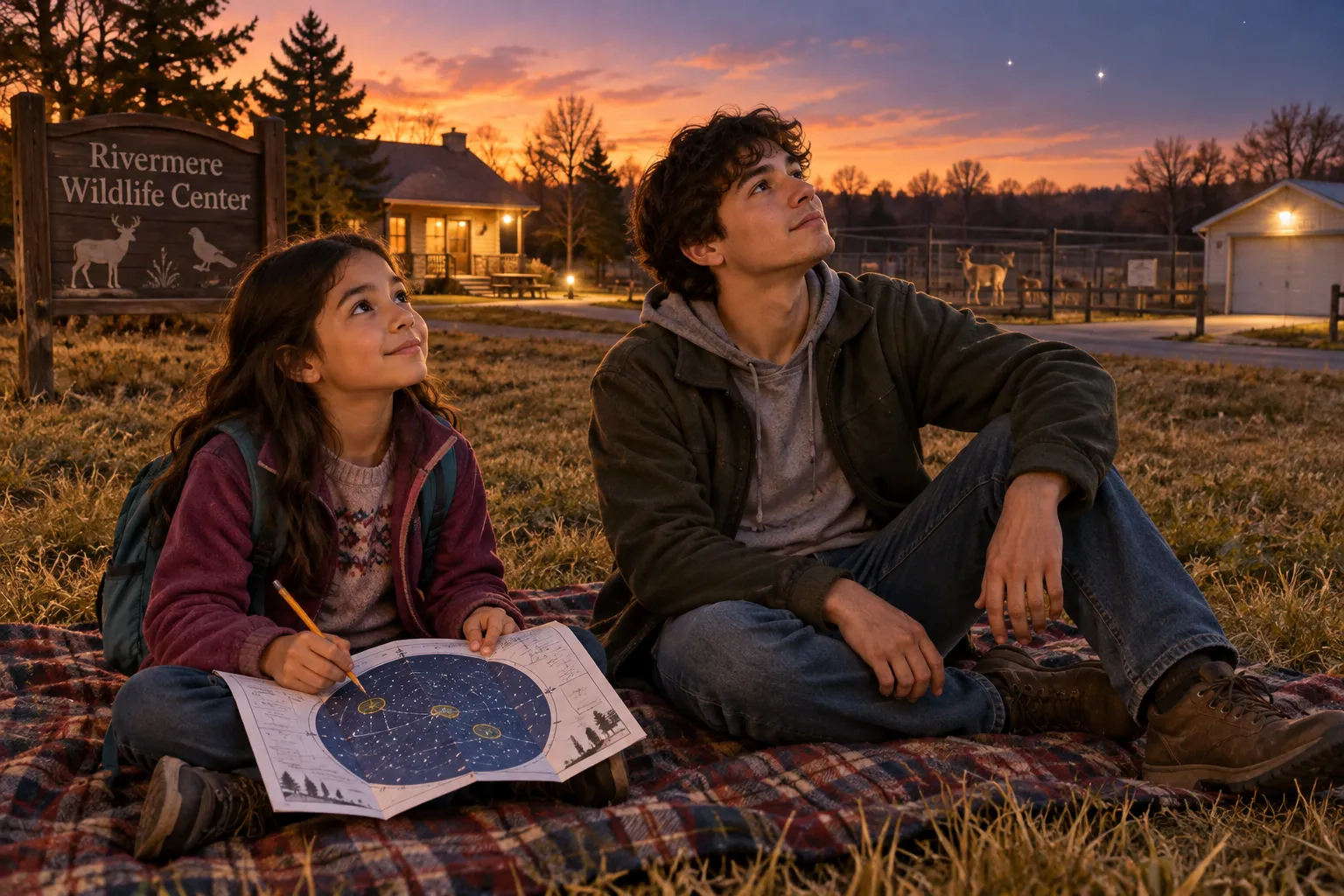
When bright porch lights make it difficult for Amina’s family and Flint, a young gray wolf at the local wildlife center, to settle into the evening, Amina tests three viewing spots and counts the stars from each one. With help from her grandmother, nearby neighbors, and the wildlife staff, she finds the town’s darkest place and ends the night writing thank-you notes beneath a sky full of stars.
Imani visits the beach with Cocoa, her Shih Tzu, and Dot, a classroom robot, hoping to answer Maya’s questions about beach animals. When she first mistakes sandpipers’ feeding for a game, careful watching, sound recordings, and repeated listening help her discover the truth and write a thoughtful letter with a funny drawing of Cocoa.
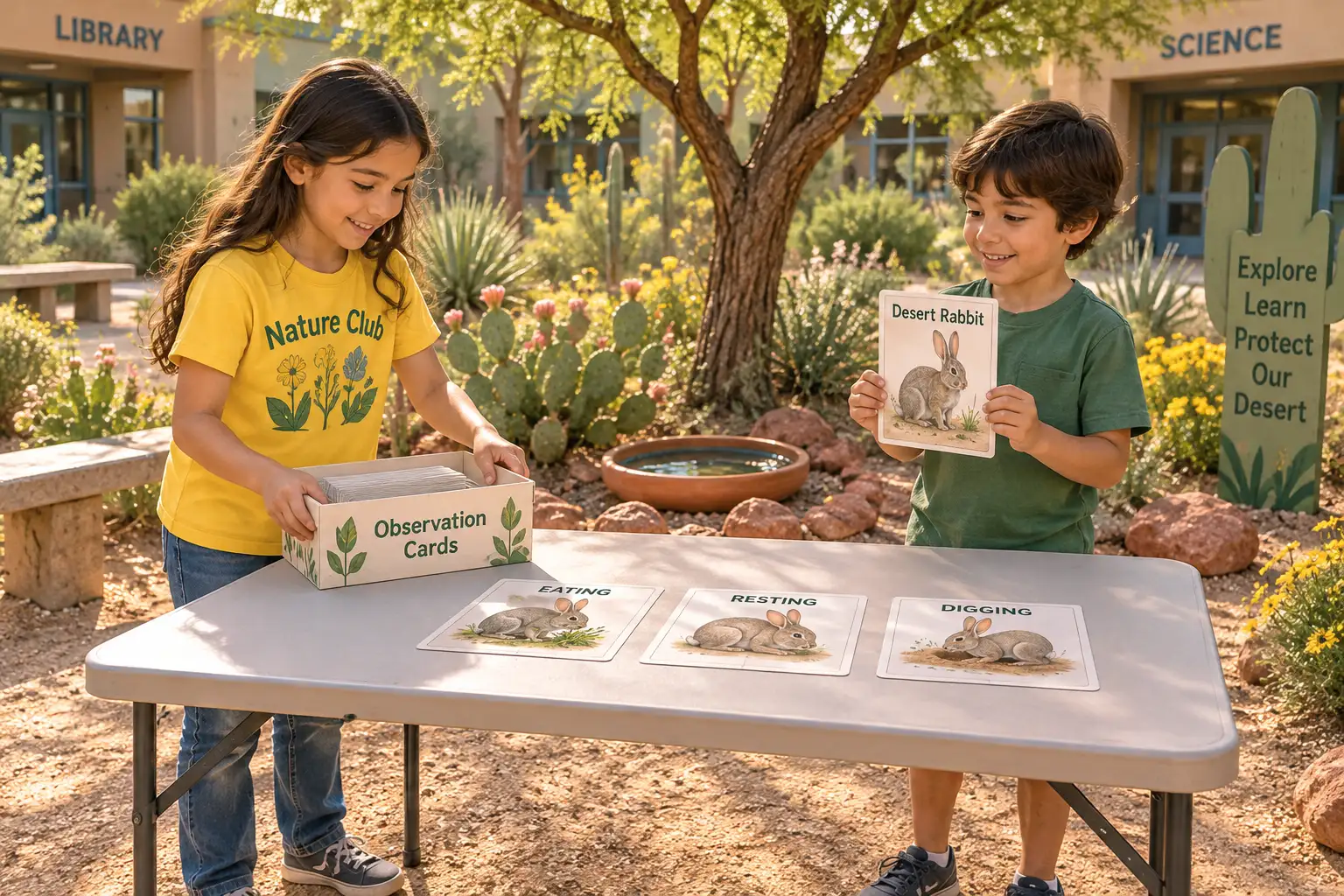
Luna helps her school’s nature club sort observation cards about eating, resting, and digging. When a blurry wildlife webcam moment makes her unsure whether a black bear is sniffing or digging beneath a fallen log, she checks the time-stamped video and compares notes with her classmates. Together, the students create a clear display showing how animals use their habitats and how careful questions can lead to better observations.
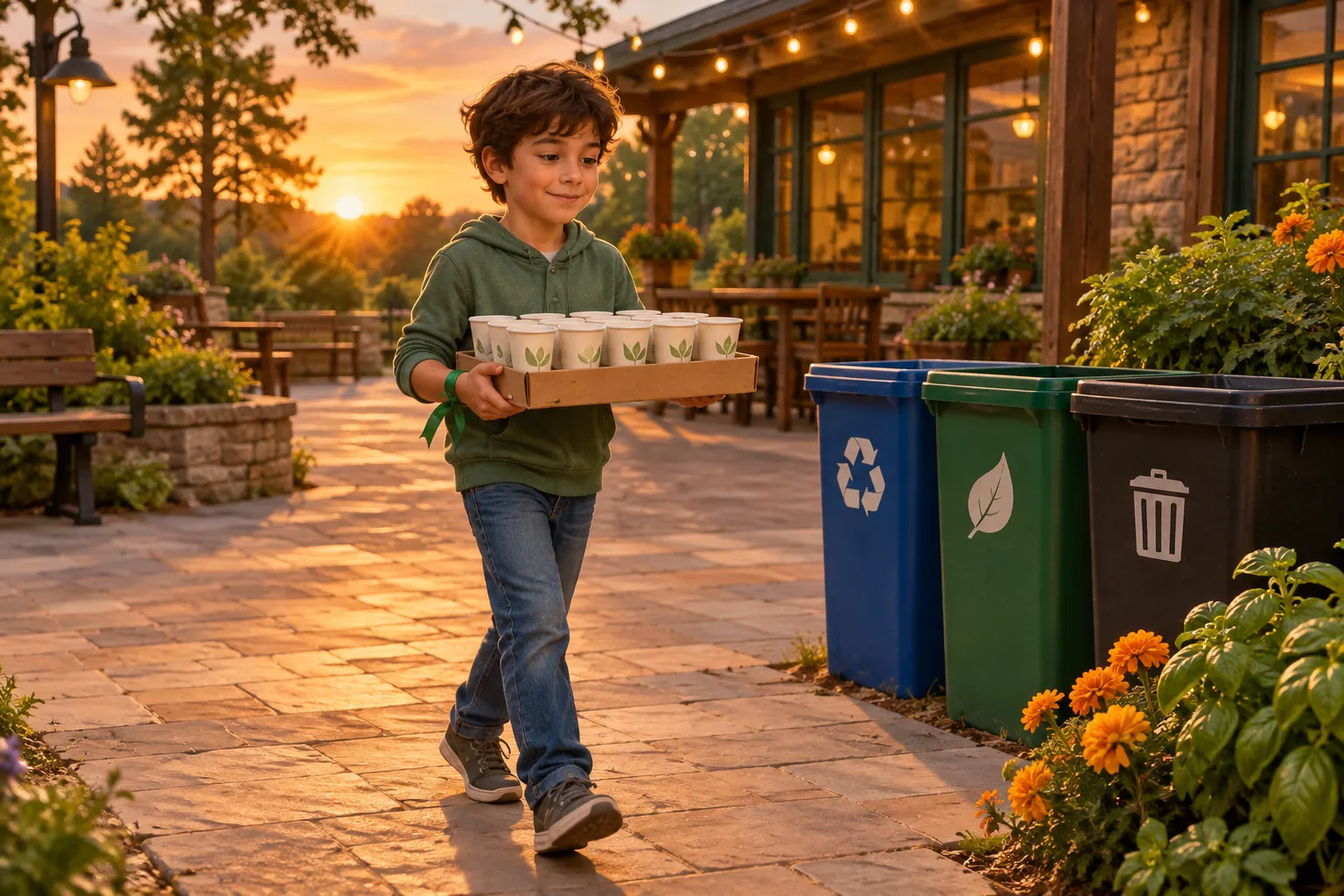
Felix promises his grandmother he will finish the recreation center’s evening cleanup game before bedtime. When the scoreboard shows the wrong total, he and Lily check every bin, find paper in the wrong place, and correct the count. After helping pack up, Felix heads home, gets ready for bed, and chooses to turn out his own lamp.
FAQ
What kinds of stories work well for ages 7–10?
Longer stories with developed characters, meaningful choices, friendships, and family themes work well for independent reading or reading together.
Can I read without an account?
Yes. All published stories are free to read without an account. Create a free account if you would like to save favorites.
Are new stories added regularly?
Yes. We keep adding stories so you can discover new characters and adventures to enjoy at bedtime.