Discover learning stories for ages 7-10 that invite children to read closely, wonder about new ideas, and enjoy meaningful time with a parent, caregiver, sibling, or on their own. This collection brings together approachable titles for growing readers with different interests and reading experiences.
Stories for Curious Growing Readers
This collection includes titles such as The Plane That Flew Straight, Theo Checks the Trees, The Meadow Message, The Bright Button and the Snowy Forest, and Pebble’s Care Guide. Together, these stories offer a varied starting point for children who enjoy exploring questions, noticing details, and following a story from beginning to end. Since every reader is different, families can browse by title and choose a story that feels right for the moment.
Learning stories for ages 7-10 can be part of many kinds of reading routines. A child might read independently, take turns reading aloud with an adult, or listen while a caregiver shares the story. Older siblings, grandparents, teachers, and other trusted adults can also join in, making the collection flexible for families and classrooms.
Make Reading a Shared Experience
Before reading, invite your child to look at the title and share what they think the story might involve. During or after the story, ask open-ended questions such as, “What detail stood out to you?” or “What would you like to know more about?” There is no need to turn every reading session into a lesson; a short conversation, a favorite sentence, or a simple connection to everyday life can be enough.
For independent readers, offer a few choices and let them decide which title to try. For shared reading, pause when your child wants to talk, explain an unfamiliar word in context, or return to an interesting section. These gentle approaches help make learning stories and educational tales a natural part of regular reading time without taking away the pleasure of the story.
Choose a Pace That Fits Your Family
Read one story in a sitting, revisit a favorite on another day, or include a title in a broader family reading rotation. The collection can suit quiet afternoons, library-inspired reading time, classroom transitions, or a calm bedtime routine. Let your child’s attention, questions, and enjoyment guide the pace.
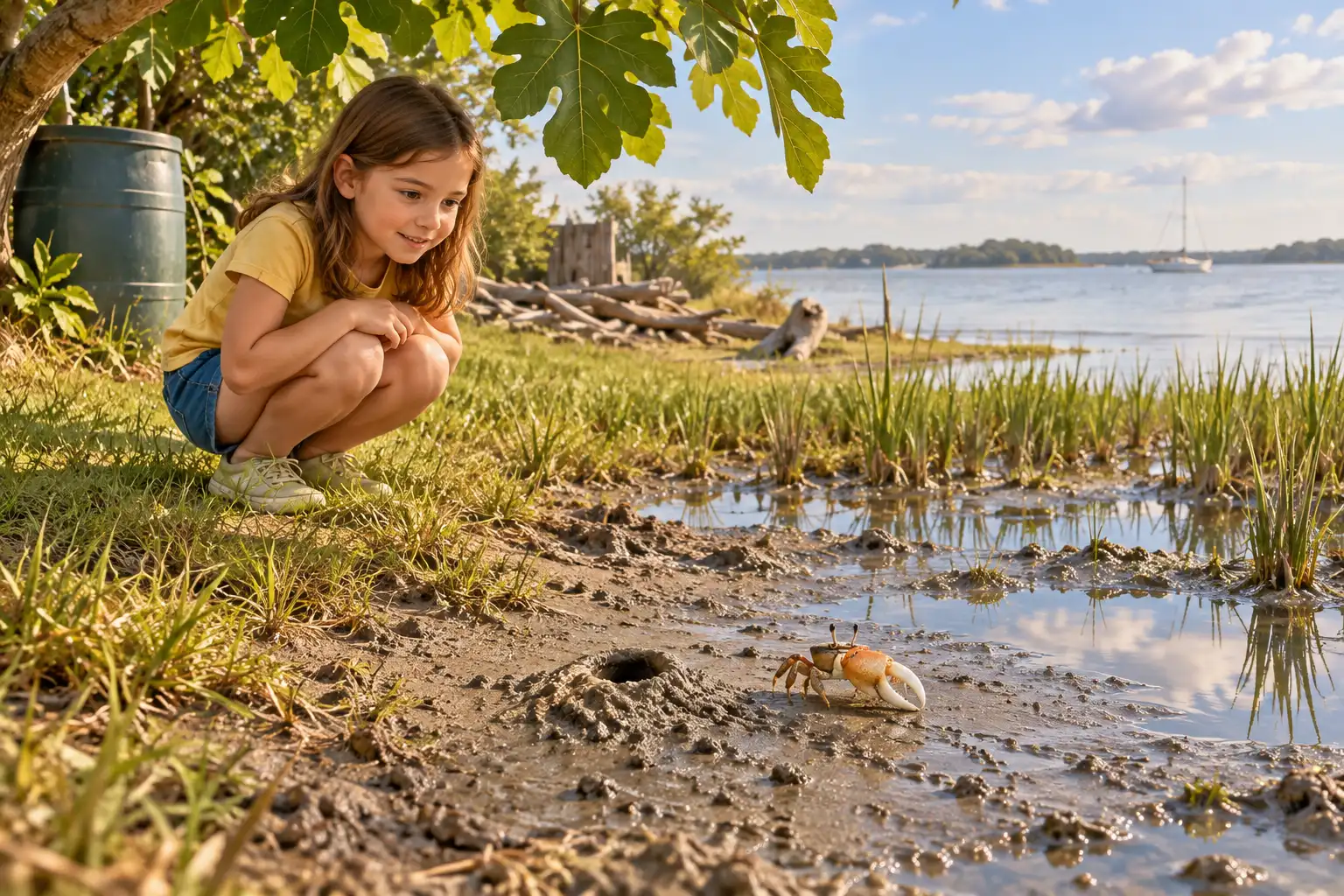
While visiting her grandfather in a small coastal town, ten-year-old Aaliyah becomes fascinated by Pebble, a tiny fiddler crab who appears beside the marsh each evening. After amusement-park videos make her rush through bedtime and miss Pebble’s visits, Aaliyah and Grandpa study the tide, fading light, and backyard sounds, then create a routine that gives her time for both adventure and rest.
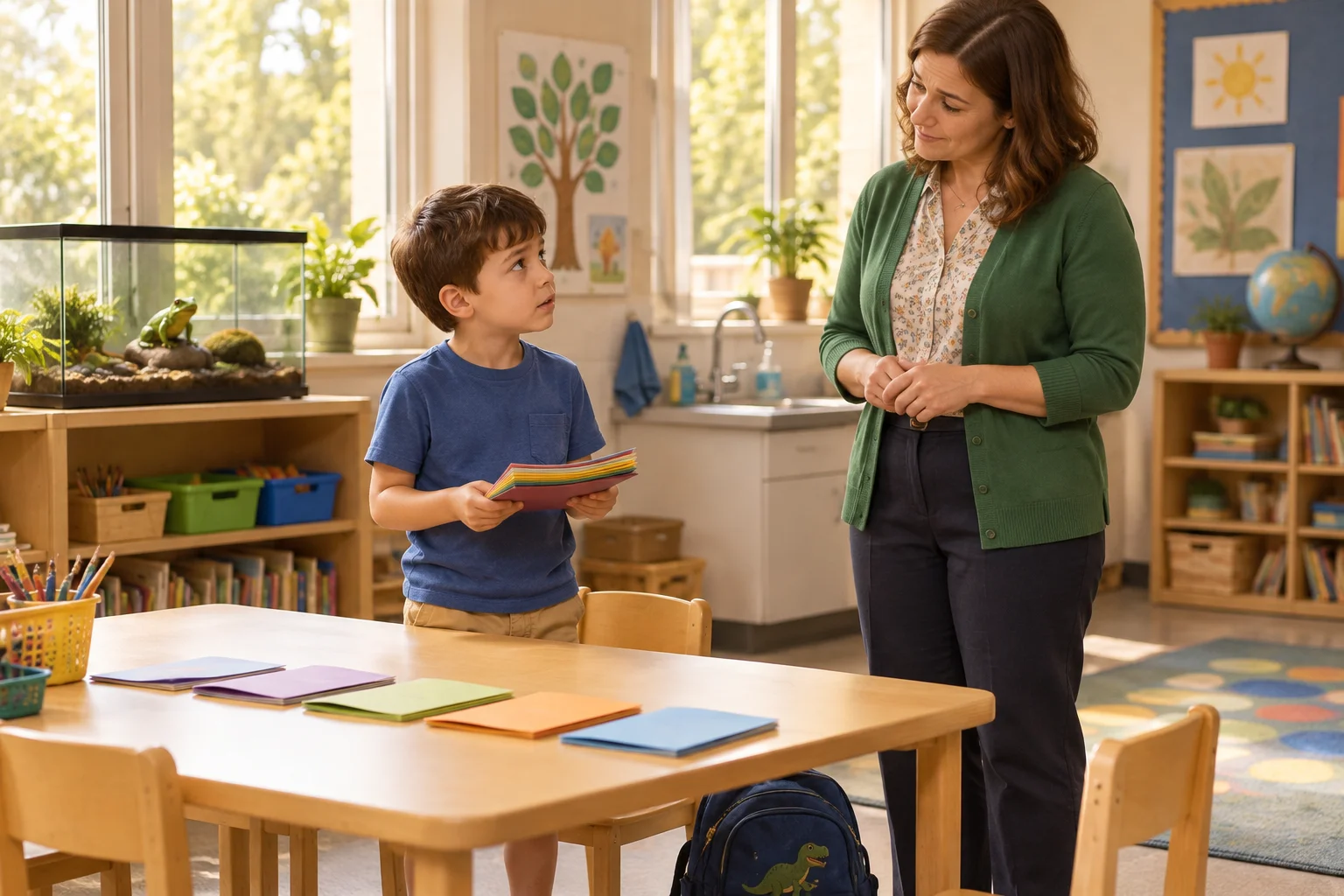
When seven-year-old Kiran returns to his preschool classroom to help make a booklet about Puddle, the class frog, he discovers there is not enough colored paper for every child. He tests several folds, chooses a one-sheet design, and invites classmates to share favorite scraps for the covers. Together, they draw Puddle resting under moss, eating, and swimming in his water dish, then give the finished booklets to the preschoolers, who use them to watch the frog quietly and notice how he behaves.
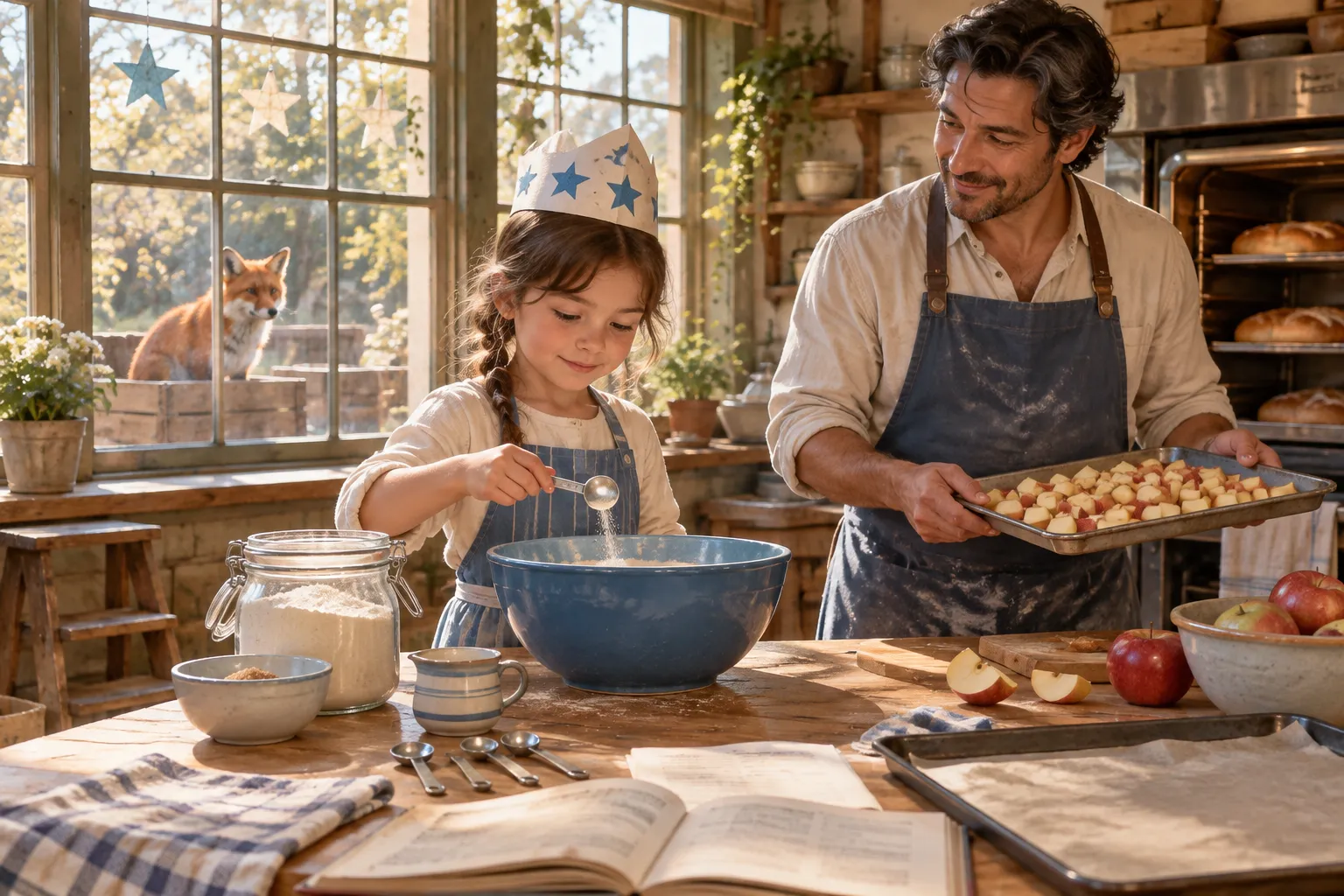
Wren helps her uncle prepare apple-oat bites for the neighborhood bakery’s evening story circle, but the first batch tastes bitter. With time left before the children arrive, Wren checks the recipe, discovers she used twice as much cinnamon, and helps bake a delicious second batch before telling a short story about Poppy, the thoughtful red fox in the alley.
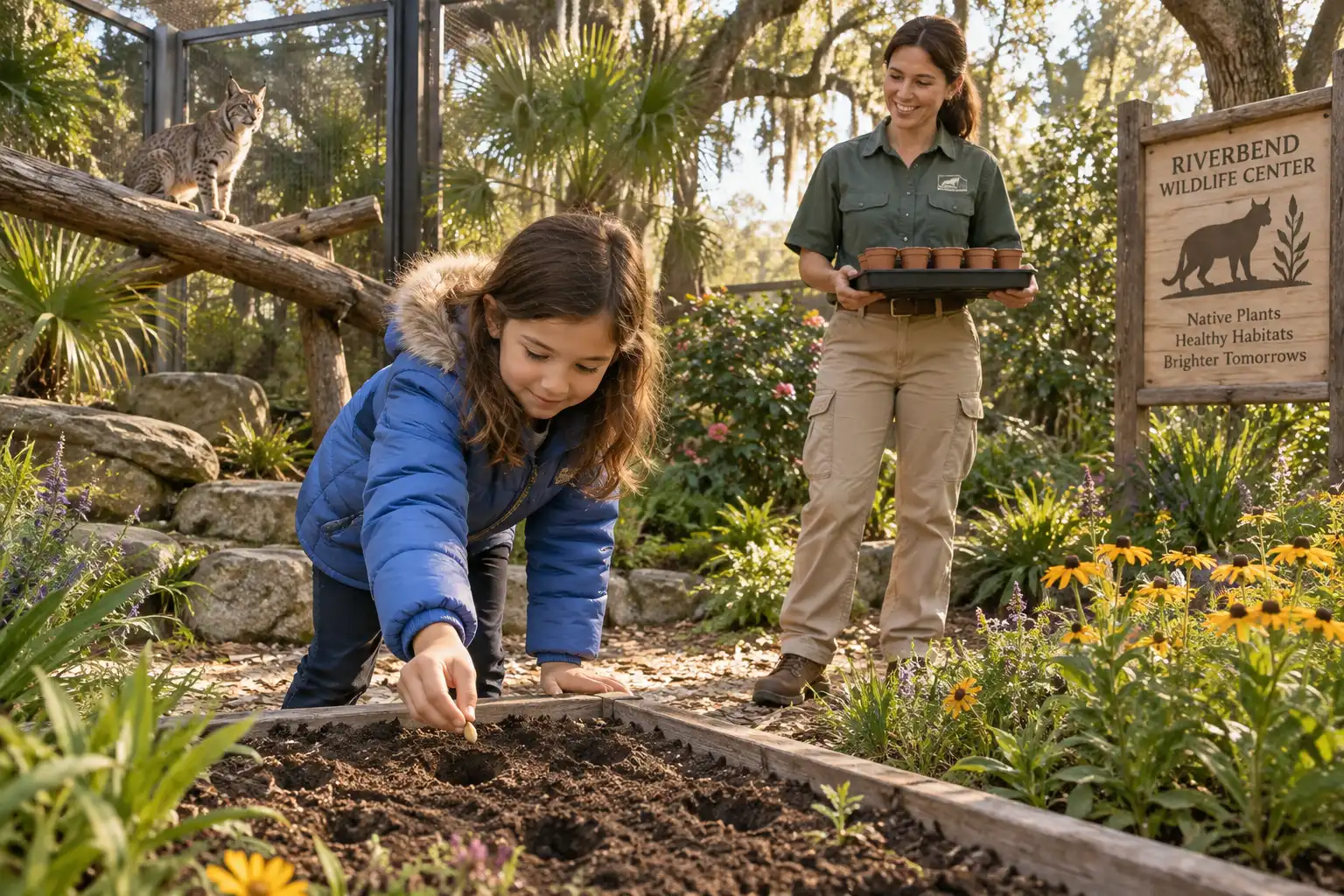
When Nora’s nature club plants a native wildflower seed at a warm-climate wildlife center, the first seedbed dries out too quickly. By watching Juniper, a bear cub, and comparing sunny and shaded soil with the keeper, Nora helps the club plant a new seed at the right depth and celebrates when a green shoot finally appears.
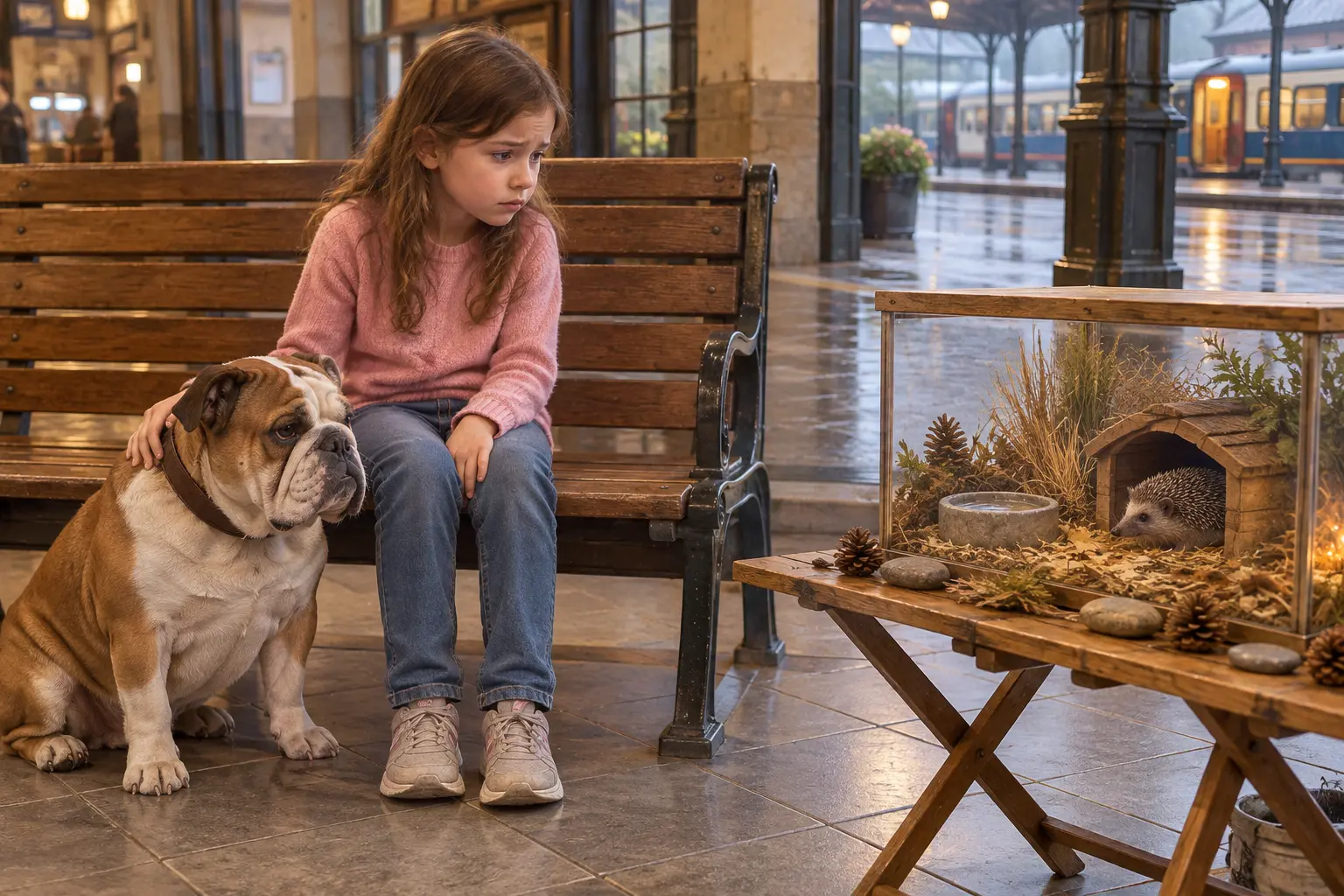
At a busy train station, seven-year-old Morgan watches Clover the hedgehog explore a paper tube and learns to steady her angry, worried feelings with slow breaths and four-count knee taps. After Morgan apologizes to Noah and suggests a fair plan for sharing the kids’ drum set, the same rhythm helps her relax and float at swim class. That night, Morgan and Noah practice their new rhythm together before bedtime, proud that they made up and solved their problem.
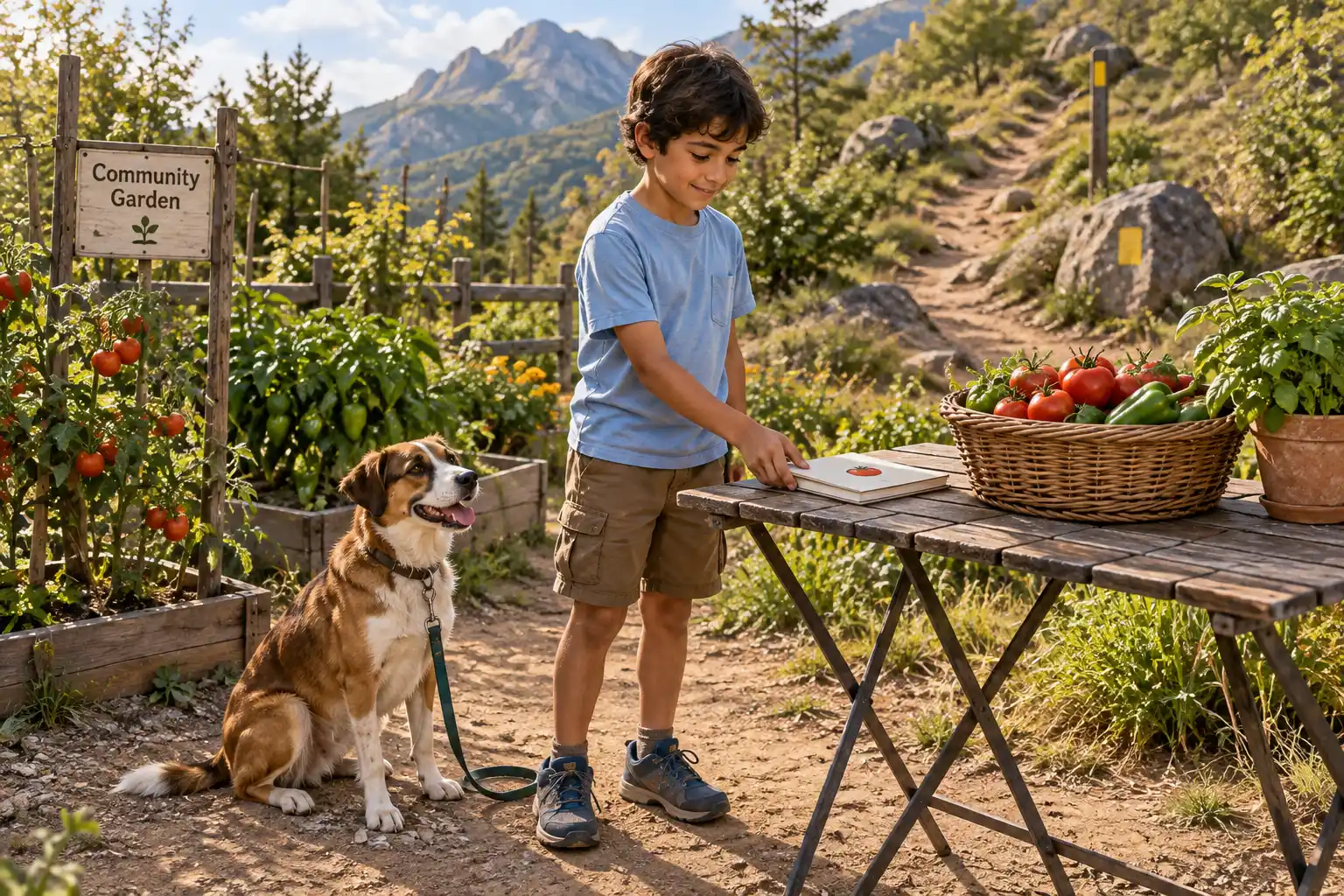
After picking ripe tomatoes and peppers with his aunt, seven-year-old Ibrahim takes his mixed-breed dog, Mabel, along a marked mountain trail to compare firefly flashes in shaded and brightly lit sections. His careful observations lead the garden club to switch off an unnecessary lamp and add a stay-on-the-path sign, and Ibrahim turns the adventure into a thoughtful blog post about respecting wildlife and private nature spots.
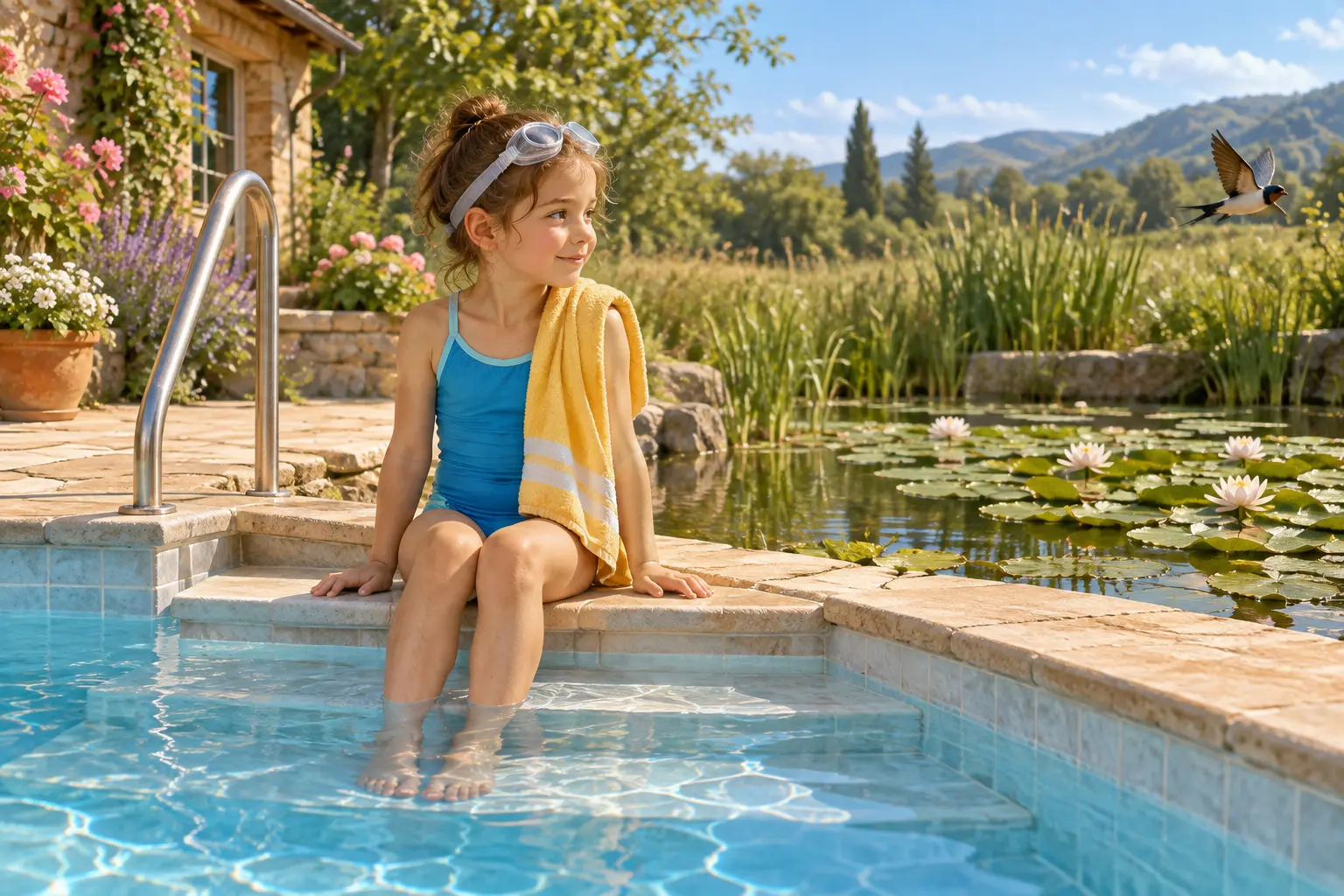
During a beginner swim lesson beside a pond, eight-year-old Elena notices a loose strip of plastic tangled near the water lilies and a barn swallow named Skim trying to reach the insects gathered on it. With Ms. Chen and the nature center’s naturalist, Elena studies Skim’s flight path and helps remove the plastic with a long-handled net. Later, she reaches ten calm breaths while floating and turns the day’s discoveries into a bedtime story.
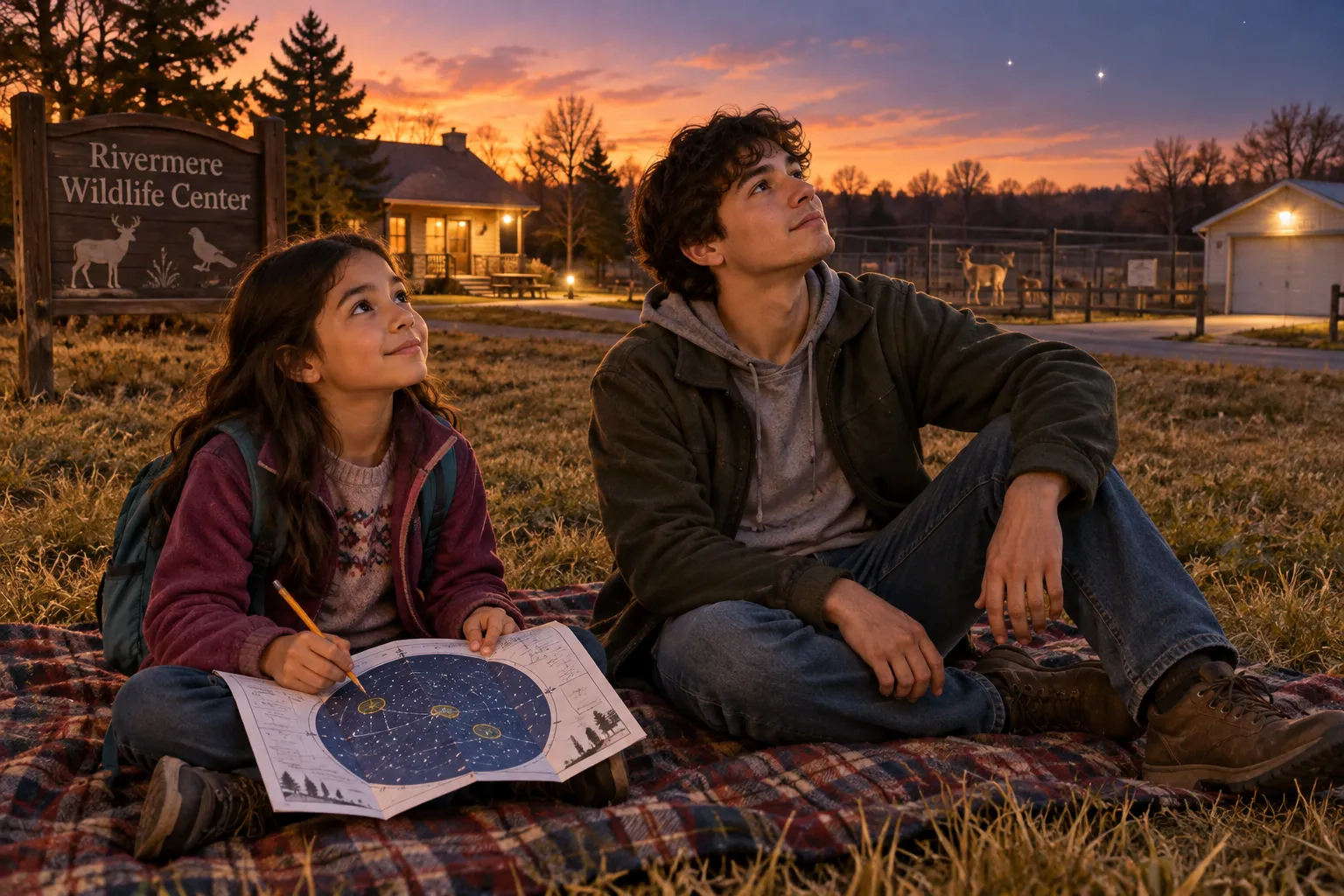
When bright porch lights make it difficult for Amina’s family and Flint, a young gray wolf at the local wildlife center, to settle into the evening, Amina tests three viewing spots and counts the stars from each one. With help from her grandmother, nearby neighbors, and the wildlife staff, she finds the town’s darkest place and ends the night writing thank-you notes beneath a sky full of stars.
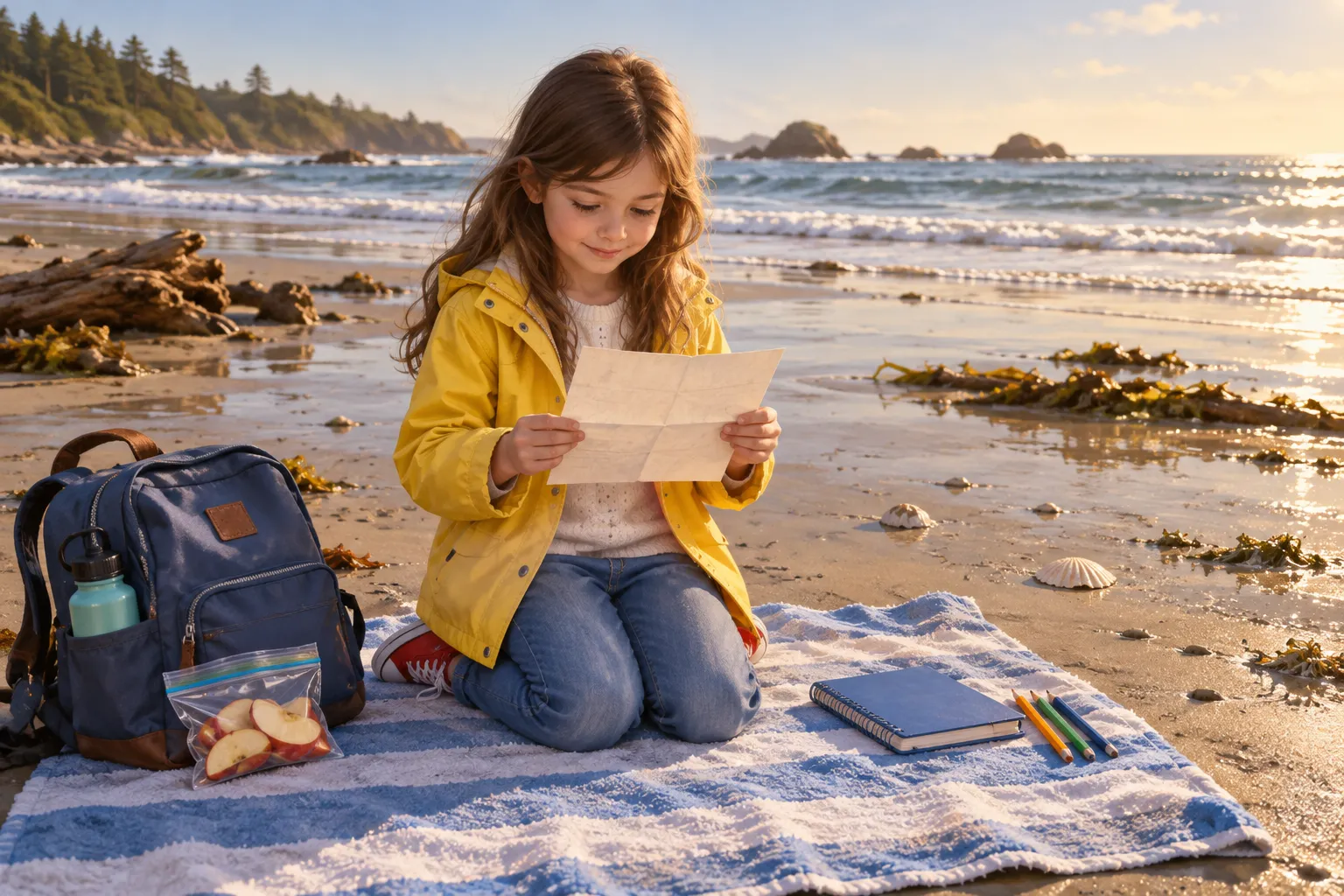
Imani visits the beach with Cocoa, her Shih Tzu, and Dot, a classroom robot, hoping to answer Maya’s questions about beach animals. When she first mistakes sandpipers’ feeding for a game, careful watching, sound recordings, and repeated listening help her discover the truth and write a thoughtful letter with a funny drawing of Cocoa.
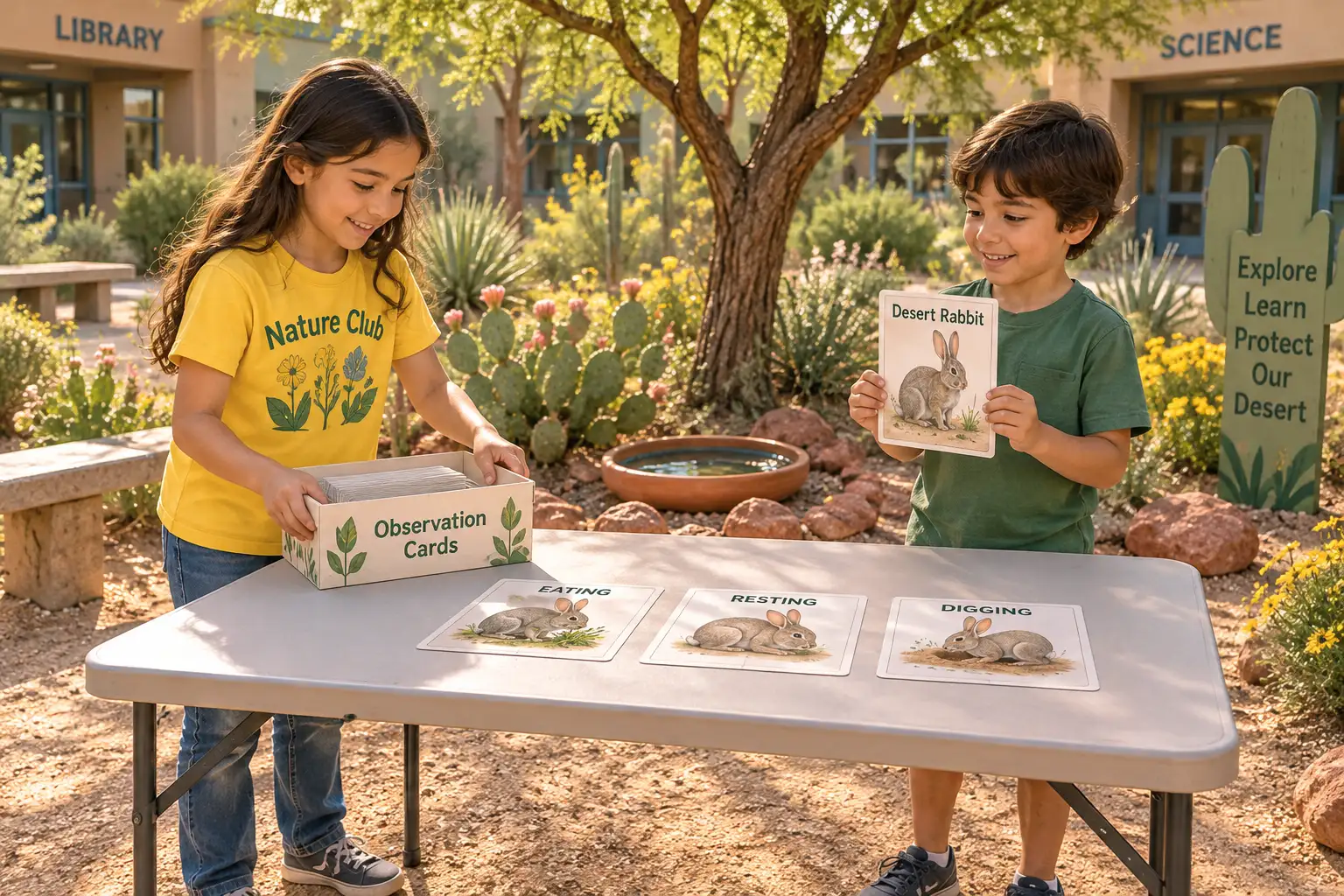
Luna helps her school’s nature club sort observation cards about eating, resting, and digging. When a blurry wildlife webcam moment makes her unsure whether a black bear is sniffing or digging beneath a fallen log, she checks the time-stamped video and compares notes with her classmates. Together, the students create a clear display showing how animals use their habitats and how careful questions can lead to better observations.