Welcome to our collection of science experiment stories for ages 7-10, created for curious young readers and the grown-ups who share their reading time. These stories invite families to enjoy questions, ideas, and discovery through imaginative storytelling.
Stories for Curious Young Minds
This collection brings together science-themed stories and experiment-inspired adventures for children in the elementary-school years. The featured title, “The Steady Little Plane,” offers a welcoming starting point for readers drawn to flying machines, careful observation, and the possibility of learning through trying something new.
Rather than presenting science as something reserved for a classroom, these tales make room for wonder and conversation. Children can think about what a character might notice, test, or change, while adults can encourage questions without needing to know every answer.
Read, Wonder, and Talk Together
Try reading one story aloud, sharing the pages between readers, or letting an independent reader enjoy it before discussing the parts that stood out. Ask open-ended questions such as, “What do you think might happen next?” or “What would you want to investigate?” These prompts can make a short story feel like a shared discovery for siblings, caregivers, and children.
The stories can fit many family routines: a quiet bedtime read, a weekend reading break, or a gentle introduction to a science topic before a hands-on activity. Keep the focus on curiosity and enjoyment, and follow your child’s interests as they connect the story with questions about the world around them.
A Gentle Starting Point for Science Reading
Science experiment stories for kids can help young readers see that careful thinking often begins with a simple question. This collection is suited to ages 7-10 while leaving room for different reading levels, attention spans, and ways of engaging with a story. Read slowly, revisit favorite passages, and let each child decide what they find most interesting.
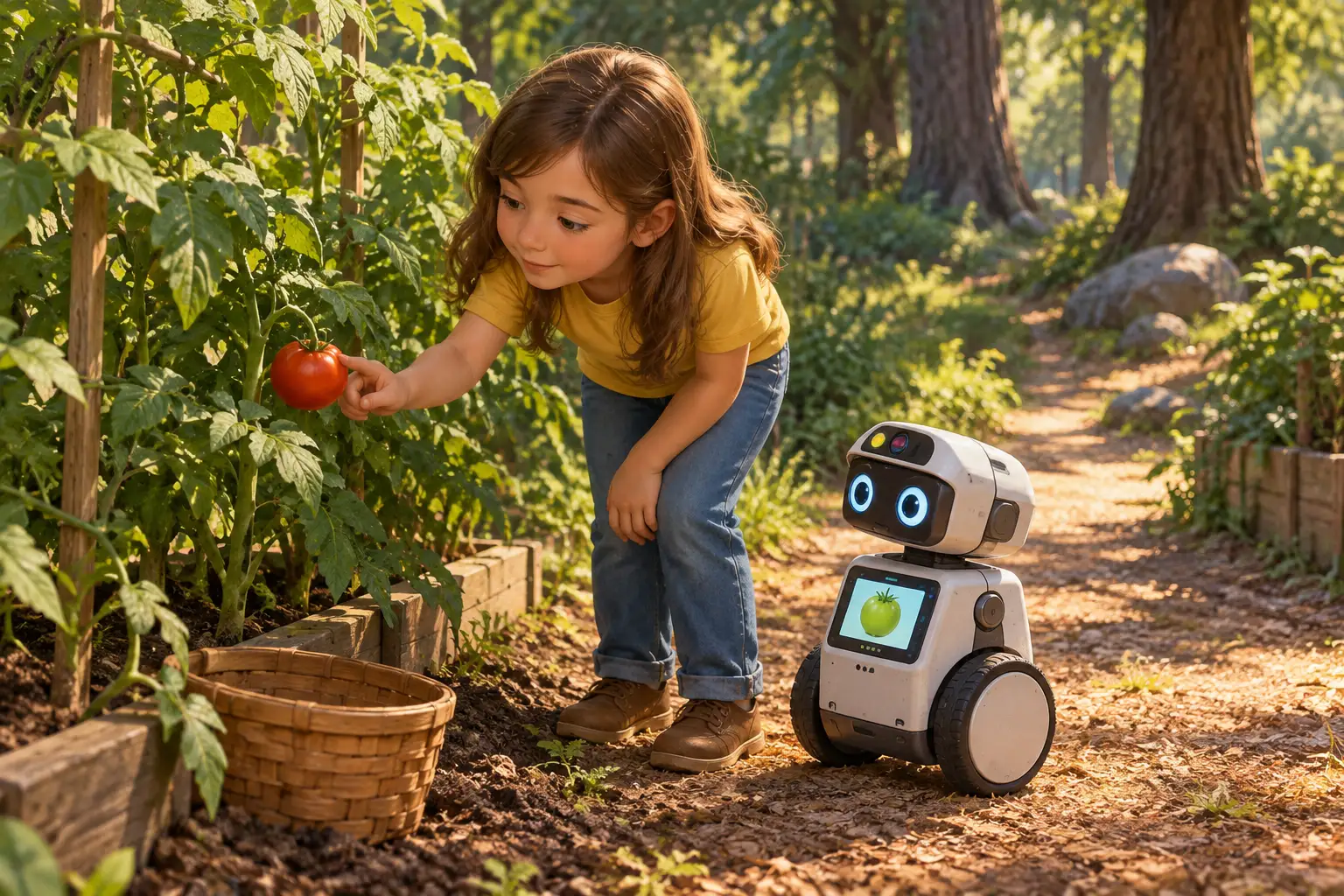
Quinn visits a woodland garden with Aunt Lena, her cat Poppy, and Dot, a classroom robot, to gather ripe tomatoes, beans, and cucumbers for the school cooking club. When Dot’s color sensor mistakes shaded vegetables for unripe ones, Quinn and Aunt Lena compare color, firmness, and smell before picking. Their careful work fills the basket, and Quinn saves some vegetables for classmates who are still waiting for their turn.
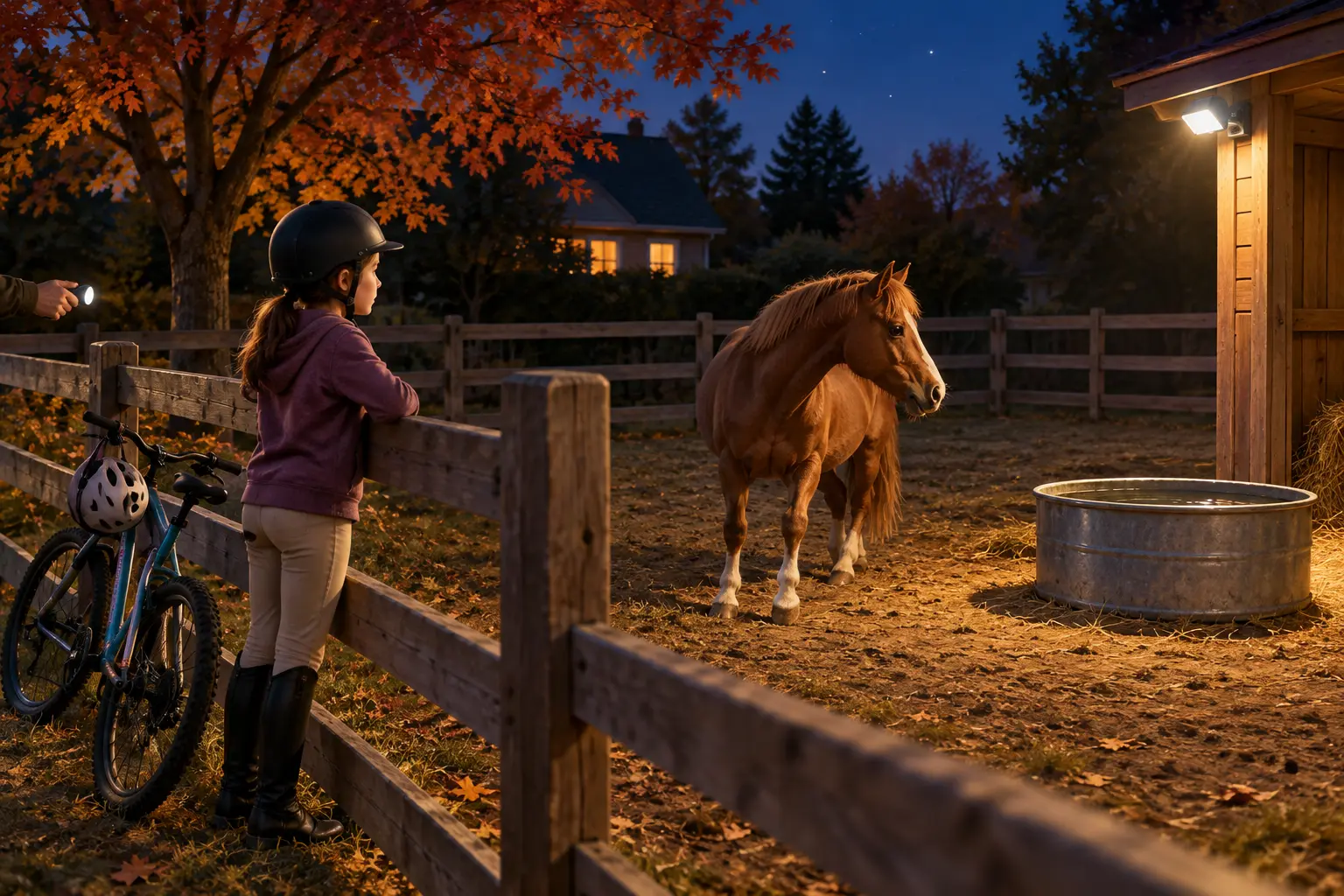
After sunset, Mae notices that Chestnut the pony avoids his water trough whenever the backyard motion light flashes on. With her dad, she watches from a distance, counts the moths circling the lamp, and tests a simple shield that aims the light toward the path instead of the paddock. Chestnut returns to drink calmly, while the moths drift toward the garden, and Mae records a gentle class read-aloud with funny pictures of Dottie, the family beagle.
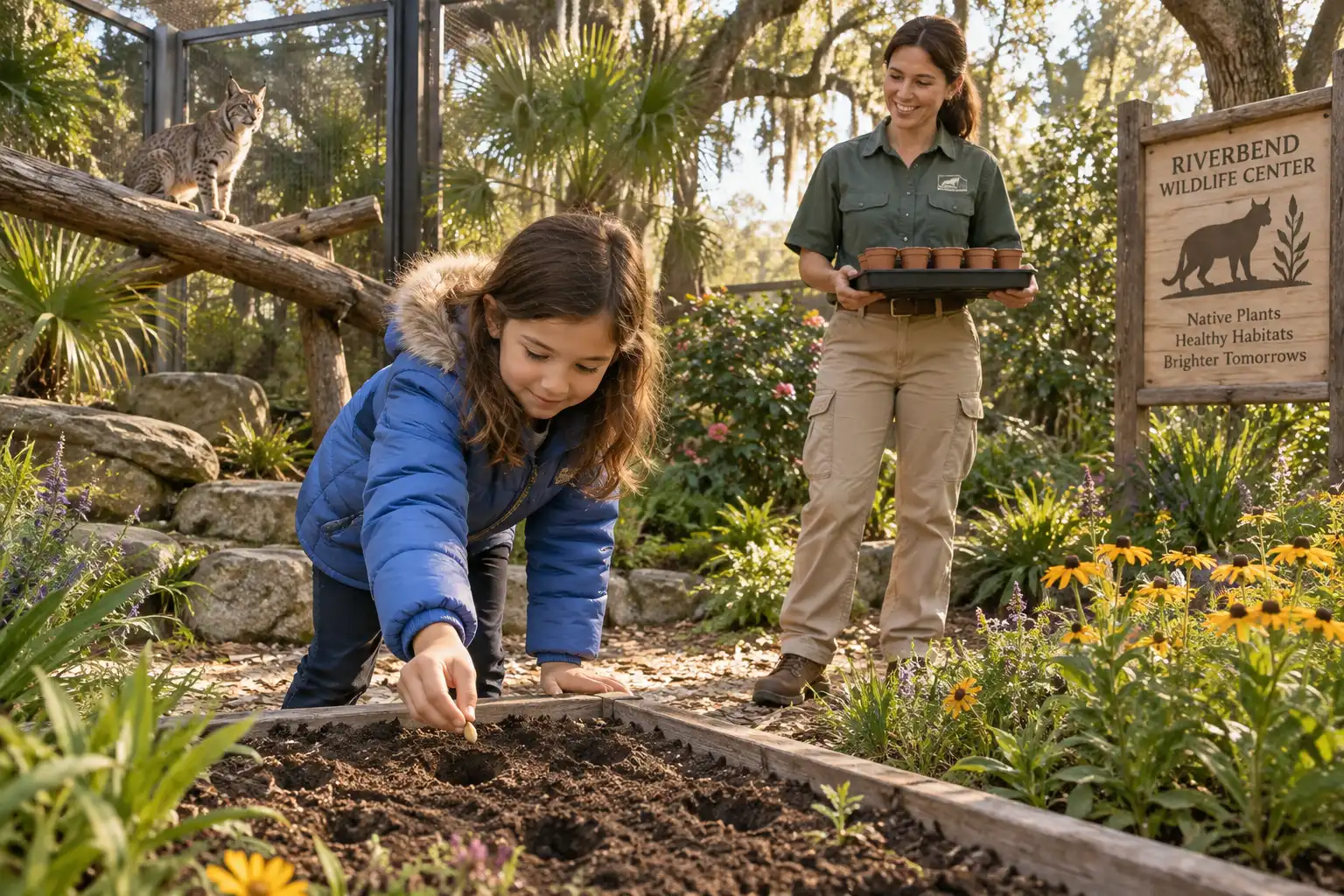
When Nora’s nature club plants a native wildflower seed at a warm-climate wildlife center, the first seedbed dries out too quickly. By watching Juniper, a bear cub, and comparing sunny and shaded soil with the keeper, Nora helps the club plant a new seed at the right depth and celebrates when a green shoot finally appears.
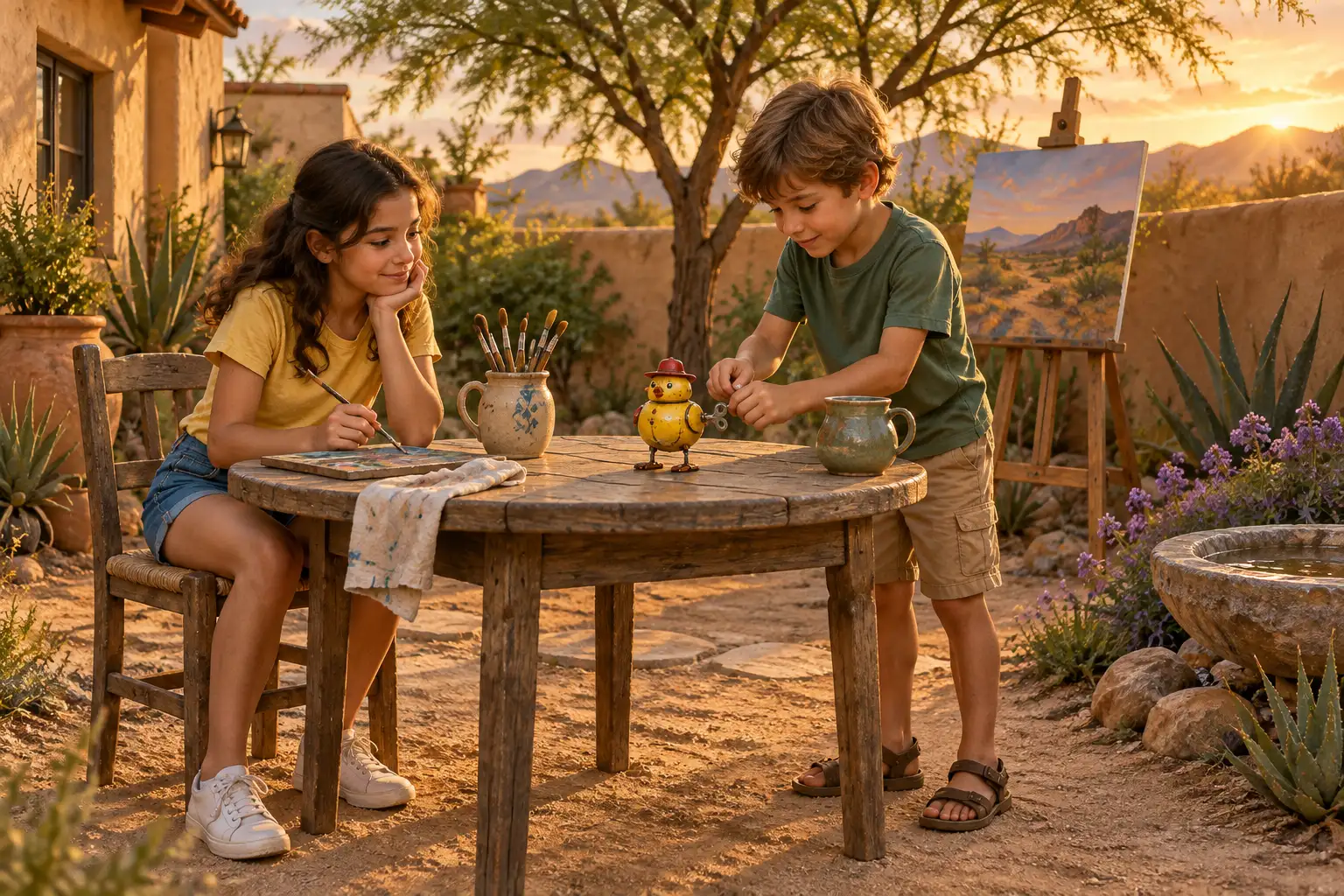
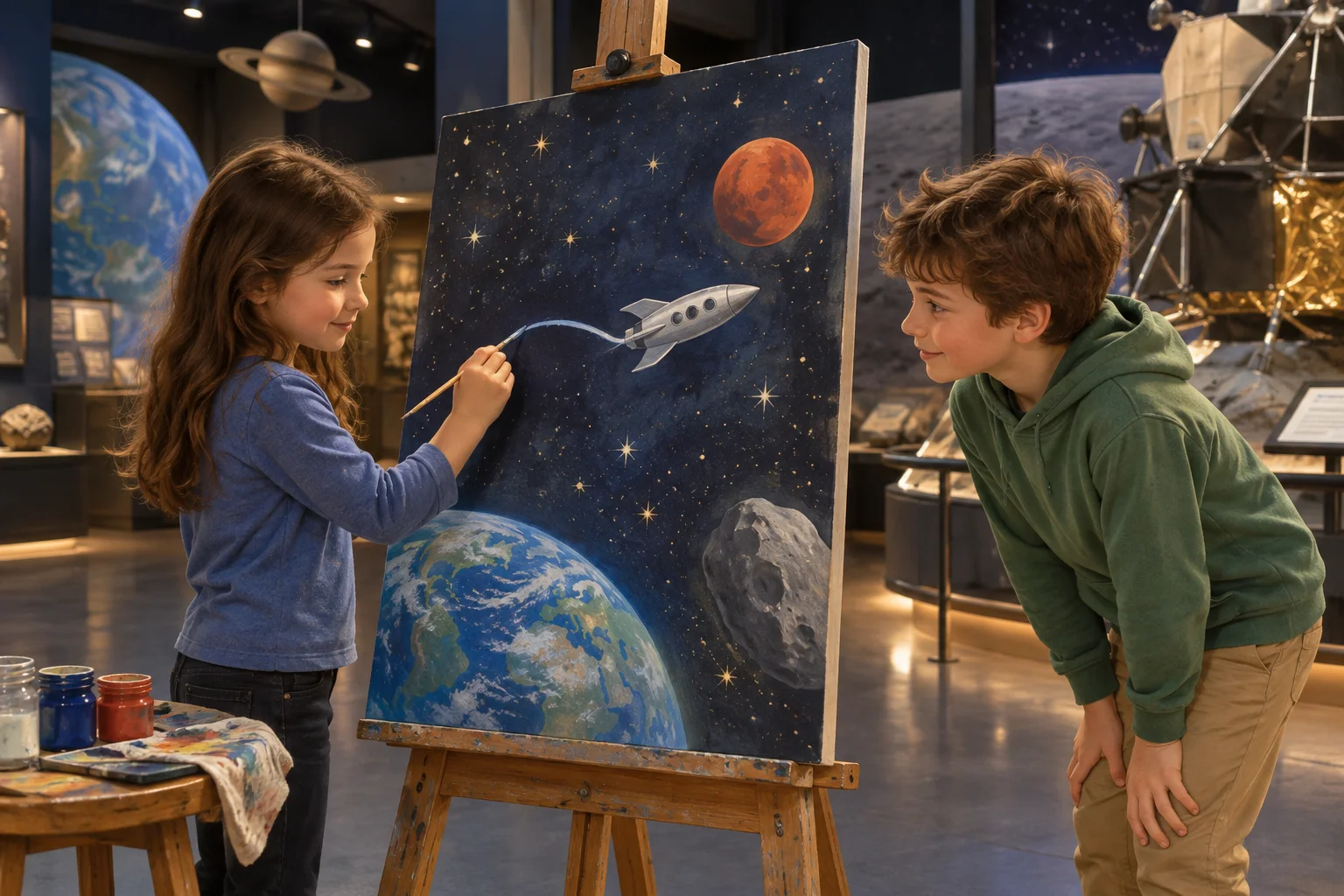
Zara helps her new neighbor James paint his family’s desert garden for their school nature club, but a wheezy wind-up toy drowns out the sounds they hope to record. After they test the garden with the toy on and off, they discover a desert owl hunting moths near the flowers, finish their painting, and end the evening with notes, bedtime routines, and one last soft owl call.
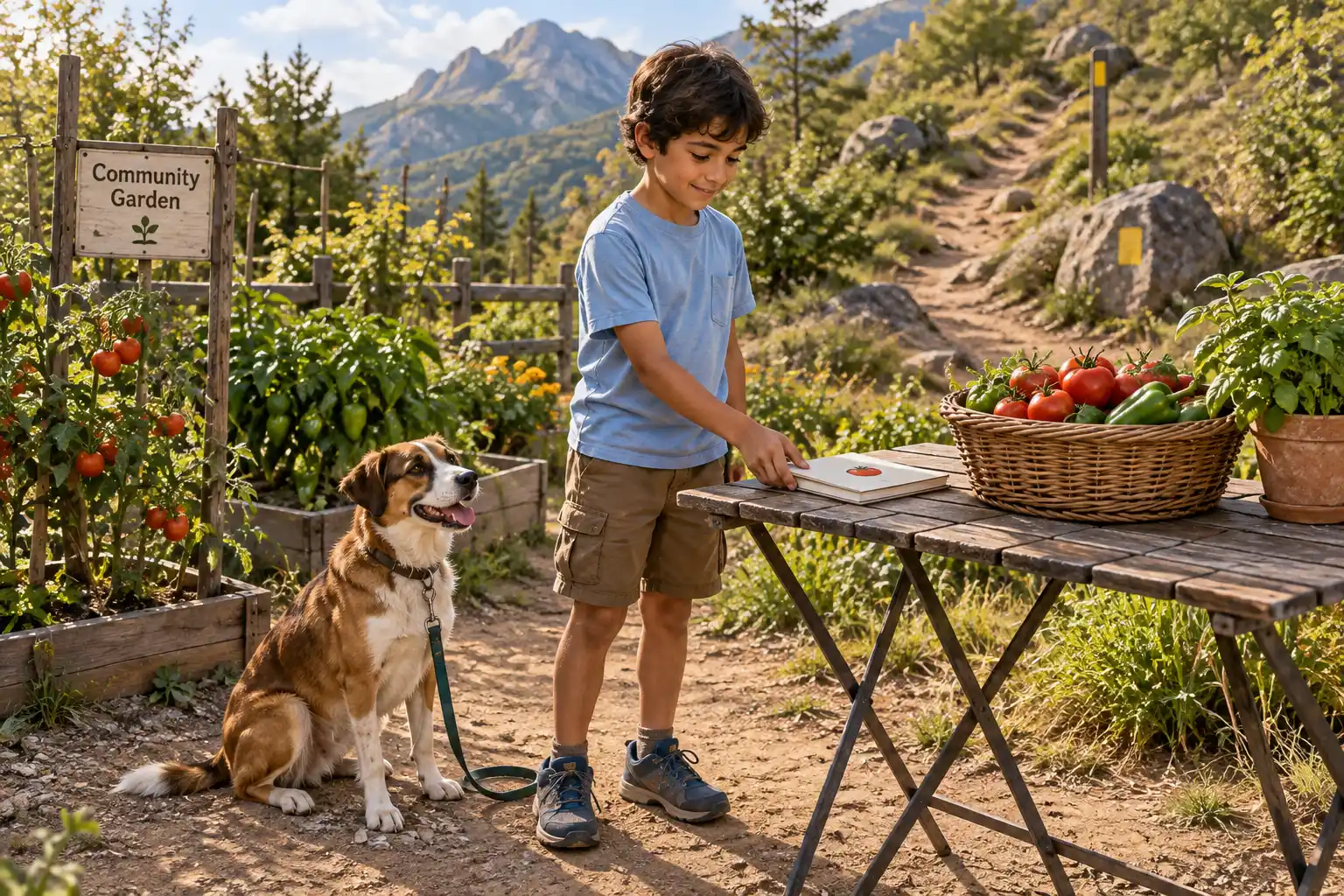
After picking ripe tomatoes and peppers with his aunt, seven-year-old Ibrahim takes his mixed-breed dog, Mabel, along a marked mountain trail to compare firefly flashes in shaded and brightly lit sections. His careful observations lead the garden club to switch off an unnecessary lamp and add a stay-on-the-path sign, and Ibrahim turns the adventure into a thoughtful blog post about respecting wildlife and private nature spots.
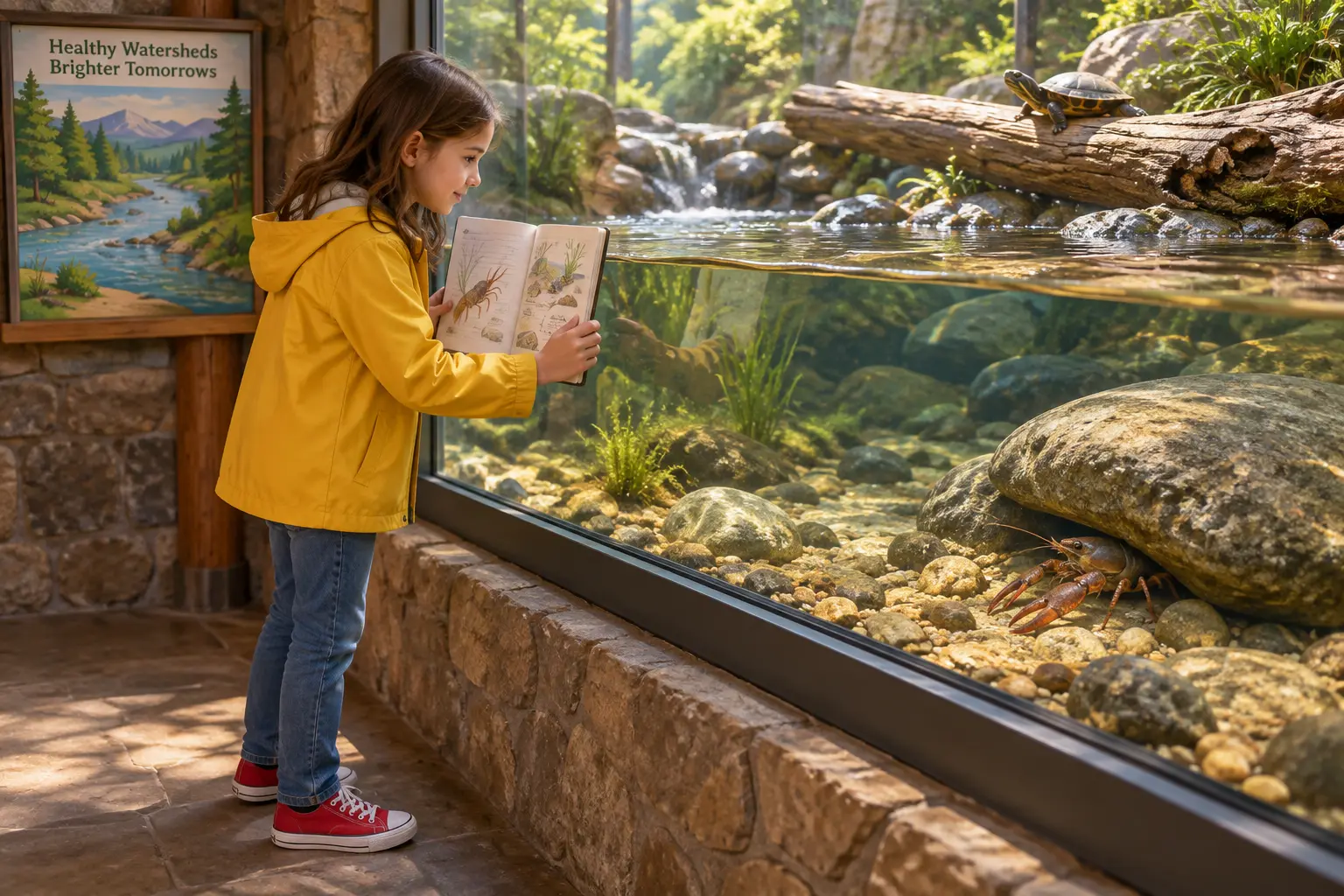
When Zara finds a library book and an older website giving different answers about her town’s tap water, she checks their dates and compares them with the current water report. Her research reveals that the town switched from creek water to the North Reservoir years ago, while the creek remains part of the same watershed. After sharing her photographs and findings, Zara helps her class begin saving water at the classroom faucet.
After Mia’s paper airplane flies far before veering sharply left, she and her curious classmate Jude test one fold at a time and record each result. During the class contest, Mia’s plane does not travel the farthest, but its steady path shows her how careful testing and one brave change can make a real difference.